
Last updated September 22, 2026
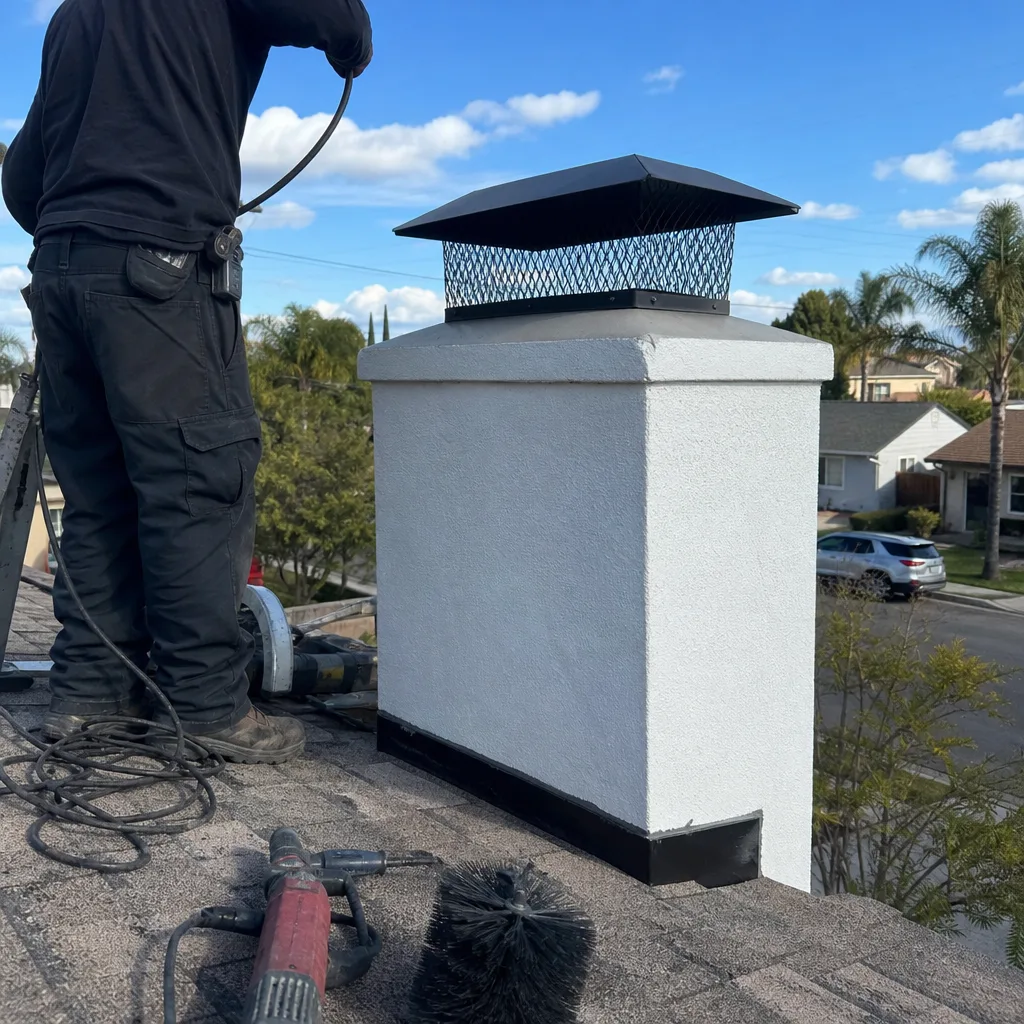
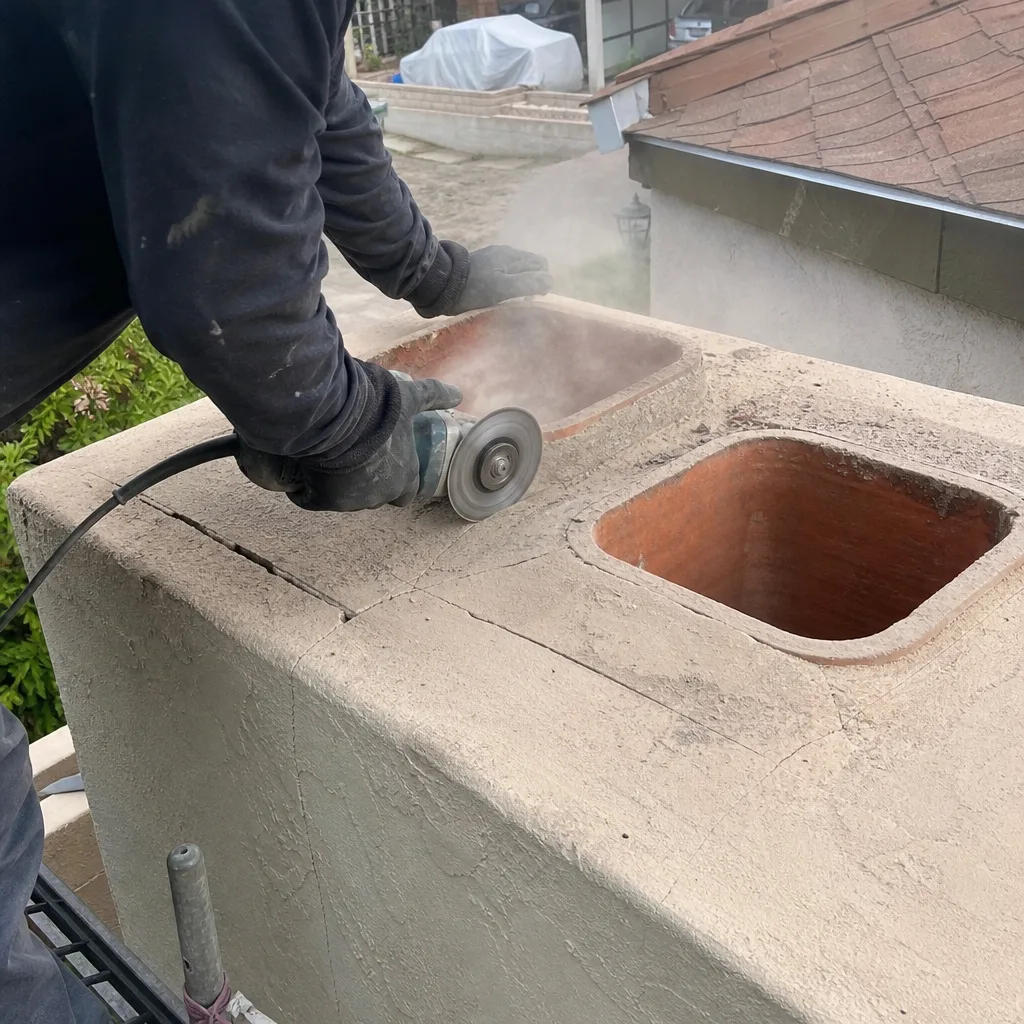
Level 1 sweep and inspection to the NFPA 211 annual standard - flue, crown, cap, and flashing checked and photographed
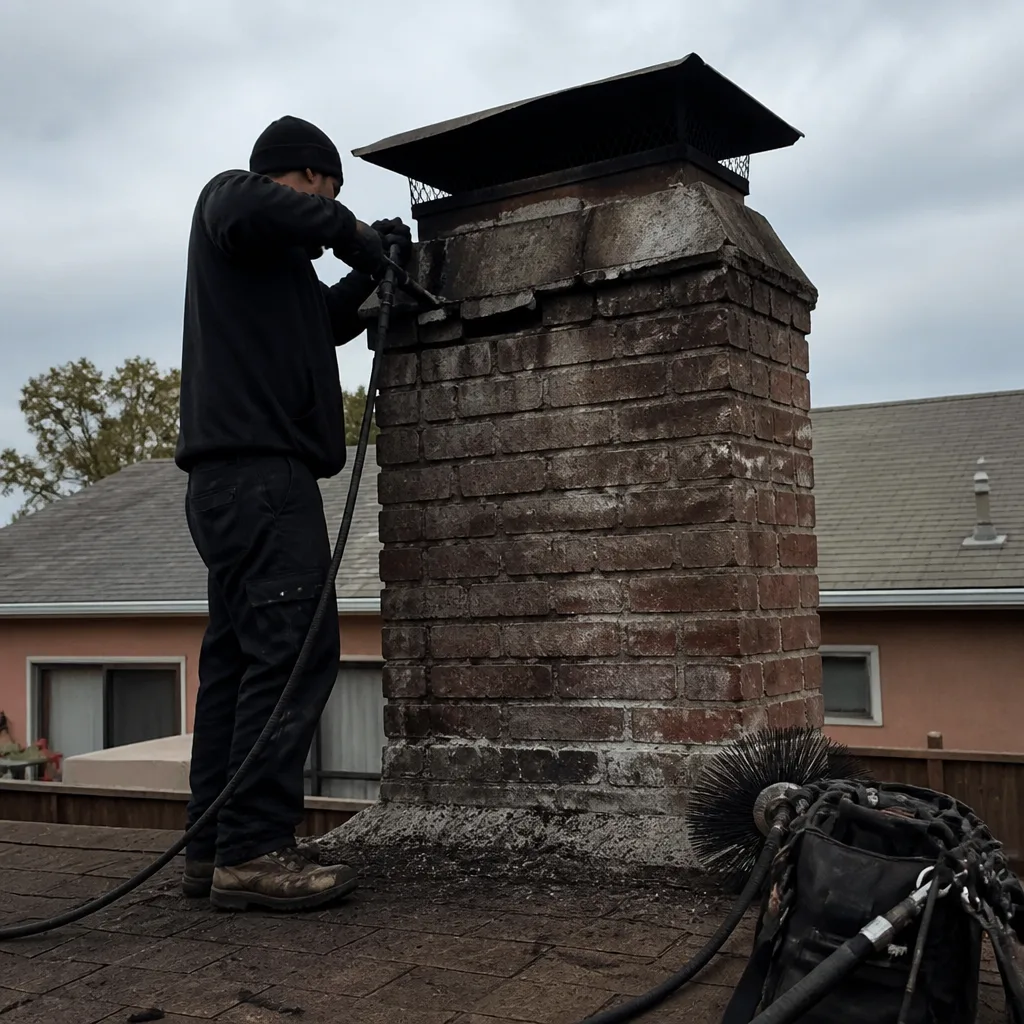
Chimney sweep logs do not sweep chimneys. They loosen some creosote - which then falls where a brush and vacuum still have to collect it.
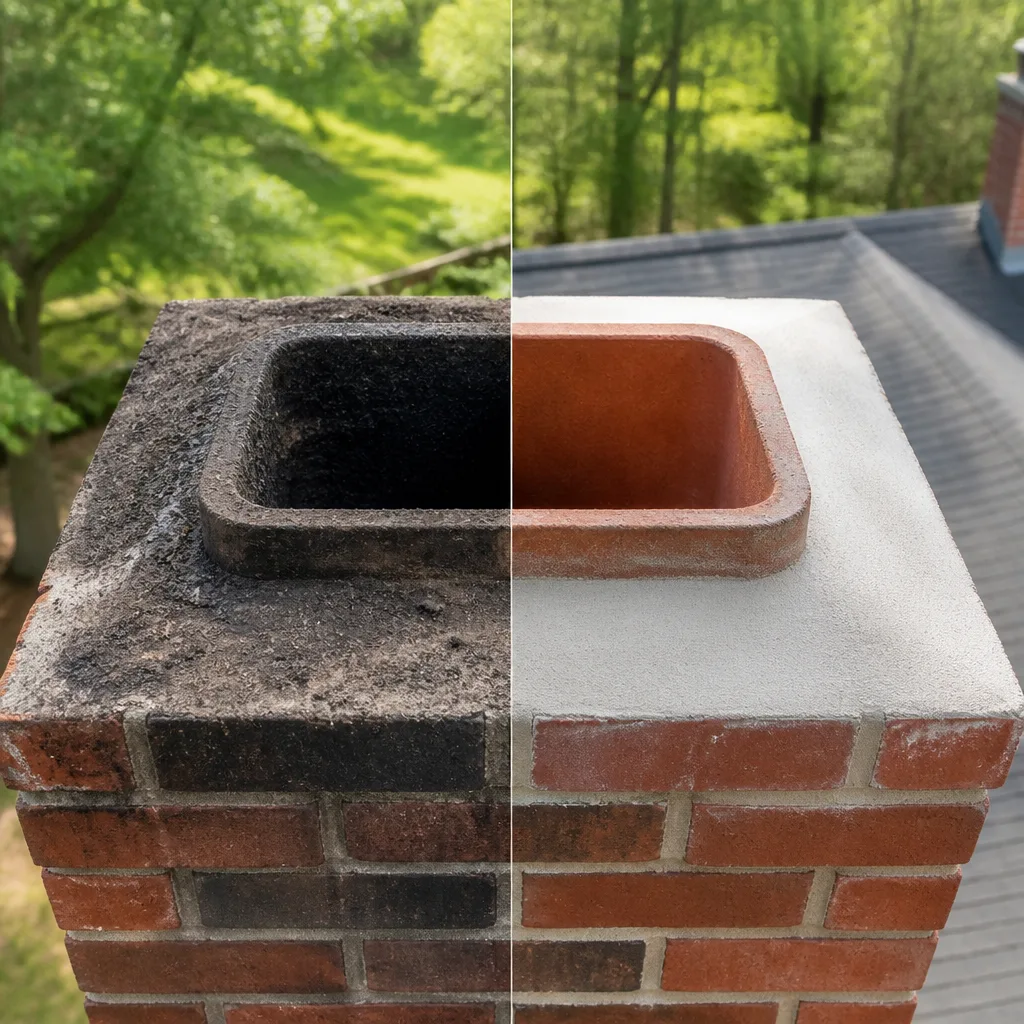
 Before
 After
After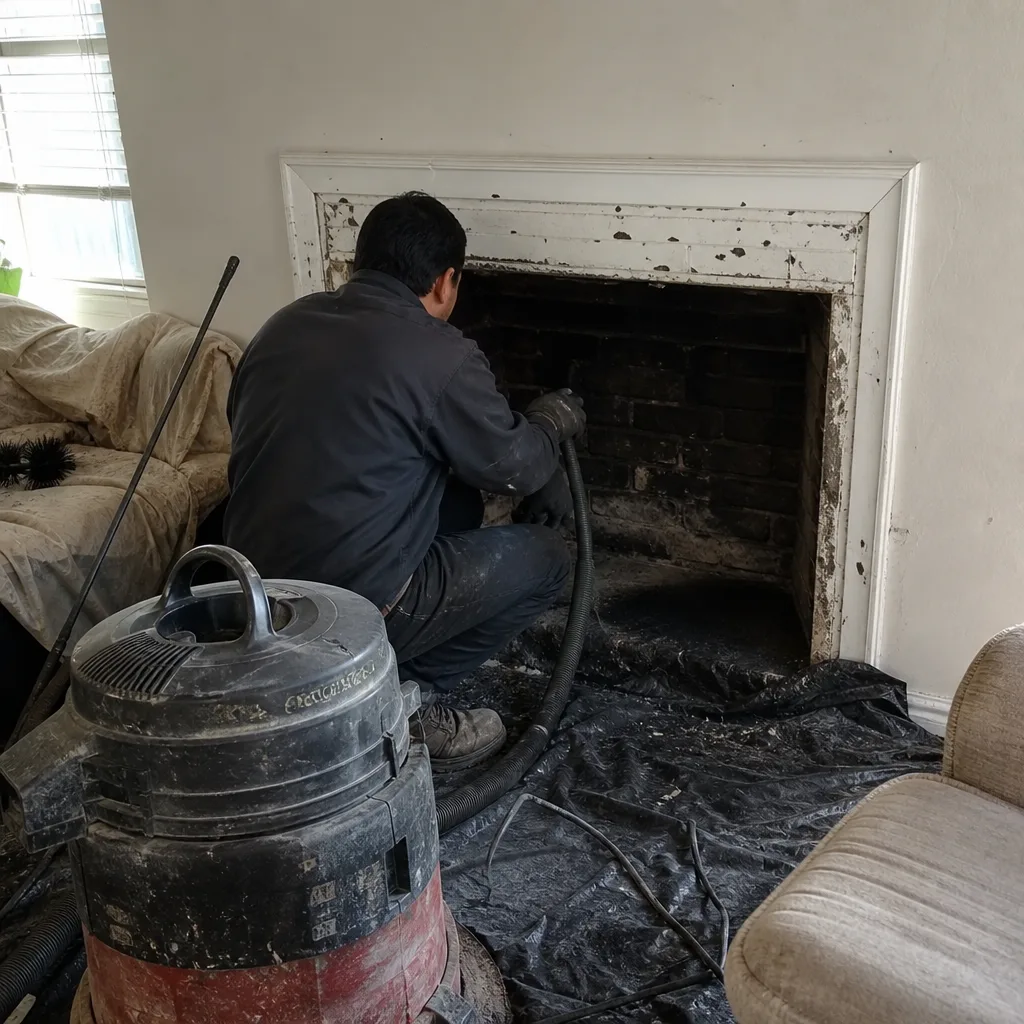 Before
 After
After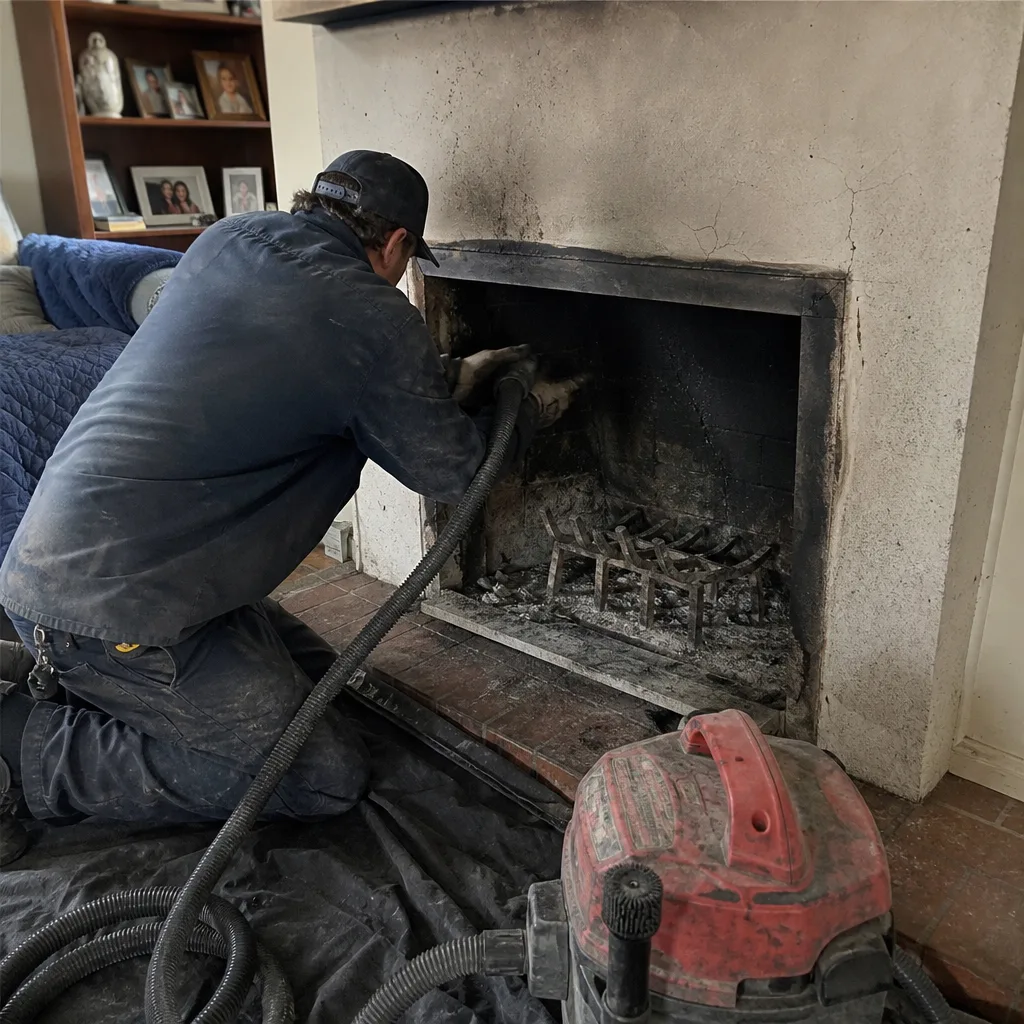 Before
 After
AfterChimney Cleaning & Sweep Maintenance Checklist for Long Beach Homeowners
Most chimney fires in Los Angeles County over the last decade started in systems that had been “recently serviced.” The problem wasn’t how often homeowners scheduled sweeps. It was the checklist itself. Too many Long Beach sweeps still use a flashlight-and-mirror routine that never inspects the smoke chamber, never runs a camera down the flue, and never documents what was actually found. In The Complete Guide to Chimney Cleaning in Long Beach, you’ll get two distinct, item-by-item maintenance checklists - one for wood-burning fireplaces, one for gas-log inserts - with specific pass/fail criteria you can observe yourself. We’ll also cover what Long Beach’s coastal salt air does to caps and mortar that inland checklists miss entirely.
Quick Answer
A proper chimney maintenance checklist for Long Beach homes separates wood-burning systems from gas-log inserts, uses observable pass/fail criteria rather than calendar dates, and requires a camera-scan inspection (NFPA 211 Level 2) to evaluate flue liner condition, smoke chamber integrity, and creosote buildup that a flashlight cannot reach. Homeowners can self-assess cap condition, crown cracks, and visible mortar deterioration, but flue liner gaps, hidden creosote deposits, and smoke chamber construction defects require professional camera documentation.
Table of Contents
- Wood-Burning Fireplace Maintenance Checklist
- Gas-Log Insert Maintenance Checklist
- Long Beach Coastal Environment Factors
- What Homeowners Can Self-Assess vs. Camera-Only Items
- Documenting Your Baseline Before the Sweep Arrives
- What Chimney Maintenance Costs in Long Beach
- Common Mistakes to Avoid
- When to Call a Professional
- Frequently Asked Questions
 Before
 After
AfterWood-Burning Fireplace Maintenance Checklist
Wood-burning systems in Long Beach face a specific risk profile. The mild winters mean many homeowners burn intermittently - a few evenings in December through February, then nothing for weeks. That stop-start pattern produces more creosote than continuous burning because the flue never maintains a steady temperature. Creosote condenses in cooler, idle periods. When burning resumes, the fresh layer traps heat against older deposits. This is why our Chimney Cleaning & Sweep in Long Beach crews regularly find Class II and Class III glazed creosote in systems that were “swept last year.”
Class III creosote, by the way, is the hardened, tar-like deposit that cannot be removed with standard brushes. It requires rotary chain equipment or chemical treatment, and it’s the fuel source in most chimney fires.
Here’s your item-by-item checklist. Each item includes what “pass” looks like and what triggers a service call.
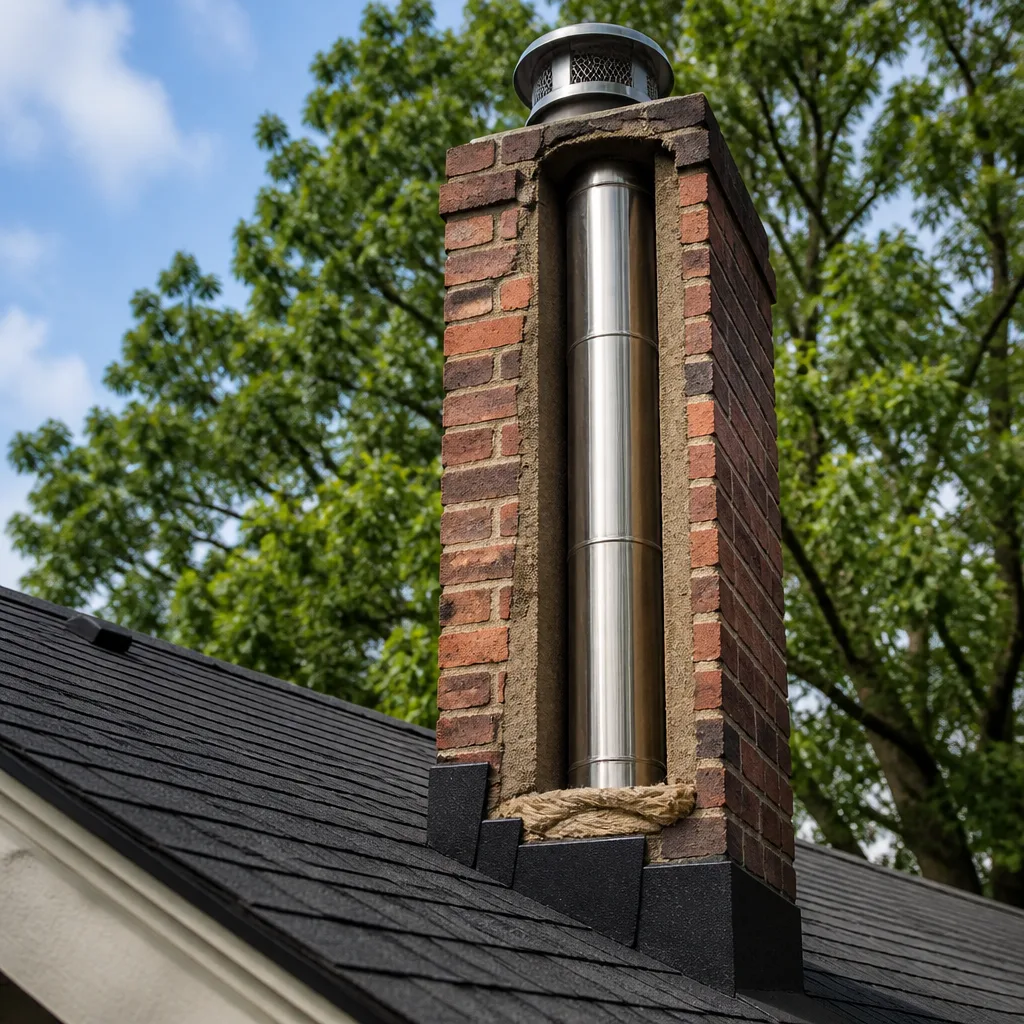
1. Flue Liner Condition (Camera-Only Assessment)
What it is: The flue liner is the clay, metal, or cast-in-place conduit that carries combustion gases from the firebox to the top of the chimney. In Long Beach, we see clay tile liners in homes built before 1985, stainless steel in most post-1990 construction, and unlined chimneys in pre-1950 properties in neighborhoods like Belmont Shore and Bluff Heights.
Pass criteria: No visible cracks, gaps between tile sections, or spalling (flaking) surfaces. Stainless liners show no separation at joints, no corrosion staining, no deformation from chimney fires.
Fail criteria / schedule service: Any crack visible to the camera, any daylight between liner segments, any spalling more than 1/8 inch deep, or any staining that suggests previous overheating. A cracked flue liner allows heat and combustion gases into the chimney wall structure - the direct path to a house fire.
Frequency: Camera inspection annually for active wood-burning systems. Clause 4 of the Haven Standard requires this photo documentation on every visit, not as an optional add-on.
2. Creosote Deposit Classification
Pass criteria: Class I (sooty, brush-removable) or light Class II (granular, some scraping required) deposits measuring less than 1/8 inch thickness.
Fail criteria / schedule service: Class II exceeding 1/8 inch, or any Class III glazed creosote. Also fail if creosote is present in the smoke chamber - the area above the damper and below the flue entrance - because this is where most chimney fires ignite; see Chimney Cleaning Warning Signs: A Long Beach Homeowner’s Reference Guide for additional red flags.
What to look for yourself: Open the damper and shine a flashlight upward. If you see shiny, black, enamel-like deposits, that’s Class III. Call for service. Do not attempt removal yourself.
3. Smoke Chamber Construction and Condition
What it is: The smoke chamber is the inverted funnel-shaped space between the firebox damper and the flue liner entrance. NFPA 211 requires it to be “parged smooth” - coated with refractory mortar to eliminate ledges where creosote accumulates and to streamline smoke flow.
Pass criteria: Smooth, continuous parge coat with no exposed brick ledges, no mortar loss, no cracks wider than hairline.
Fail criteria / schedule service: Exposed corbelled brick (the stepped brick pattern common in pre-1980 construction), any missing parge coat, cracks that penetrate to brick, or any ledge that could trap creosote. Rough smoke chambers create turbulence that reduces draft and deposits creosote on horizontal surfaces.
Critical note: The smoke chamber cannot be evaluated from the firebox with a flashlight. It requires a camera inserted past the damper or a mirror system from the top. Most “sweeps” skip this entirely. In our 38,000+ inspections since 2009, we’ve found that roughly 40% of Long Beach chimneys over 40 years old have unpargeed or deteriorated smoke chambers that previous services never documented.
4. Firebox and Hearth Integrity
Pass criteria: Firebrick with no cracks wider than 1/16 inch, no missing mortar joints, no spalling faces. Hearth extension (the floor protection in front) shows no cracking, proper dimension per local code (minimum 16 inches front, 8 inches sides for standard fireplaces).
Fail criteria / schedule service: Cracks that penetrate through firebrick, any missing brick, spalling that exposes inner material, hearth extension that is undersized, cracked, or combustible material too close to the opening.
5. Damper Operation and Seal
Pass criteria: Opens fully, closes fully, and seats with no visible gap when closed. No warping, no missing blades, no rust that prevents smooth operation.
Fail criteria / schedule service: Any gap visible when closed (energy loss and downdraft entry), any operation that requires force, any corrosion that threatens structural integrity.
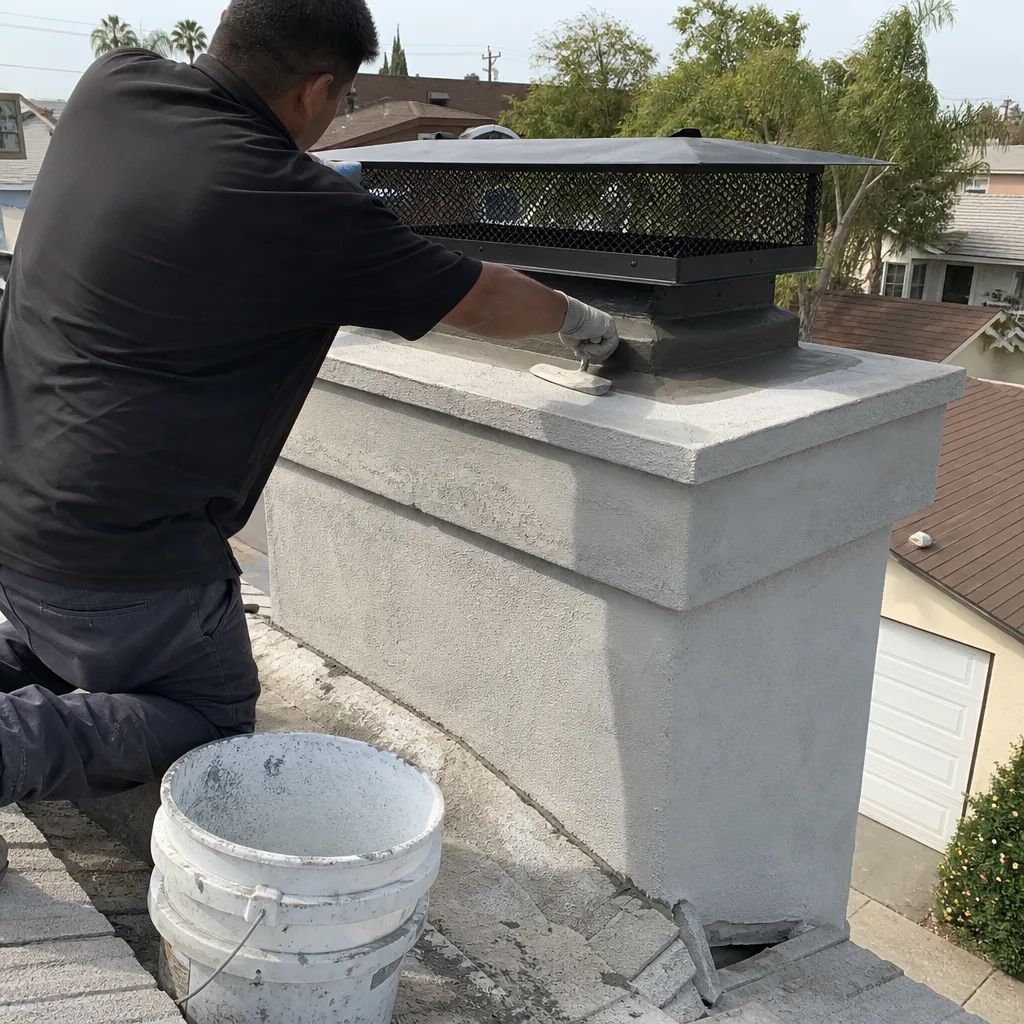
6. Chimney Cap and Crown
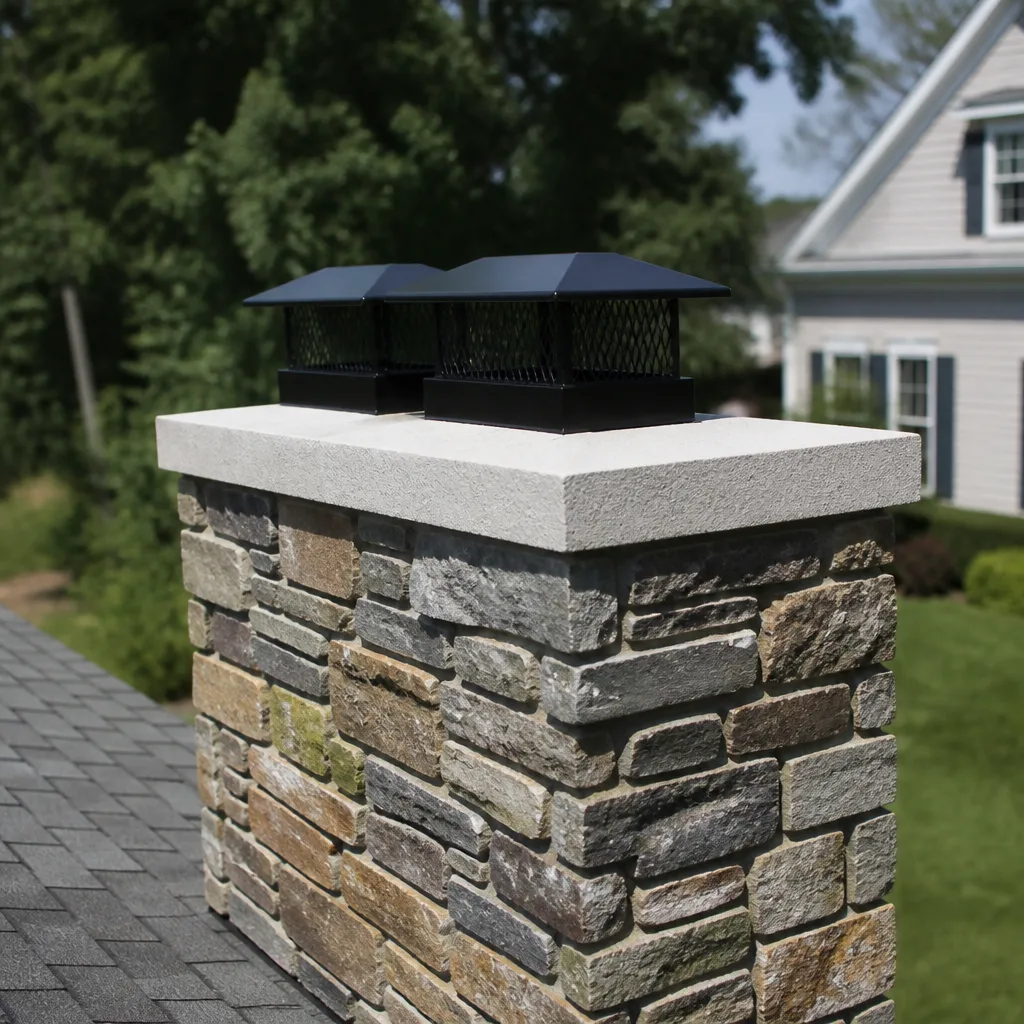
Pass criteria: Cap with minimum 5/8 inch mesh (spark arrestor) in good repair, no rust-through, secure attachment. Crown (the concrete top of a masonry chimney) slopes away from flue with no cracks wider than 1/8 inch, no spalling, proper overhang beyond chimney wall.
Fail criteria / schedule service: Missing cap, mesh larger than 5/8 inch (allows animal entry and ember escape), rust holes in metal cap, crown cracks that could admit water, any spalling or deterioration of crown surface. In Long Beach’s marine environment, cap corrosion accelerates dramatically within 3-5 years if not galvanized or stainless construction.
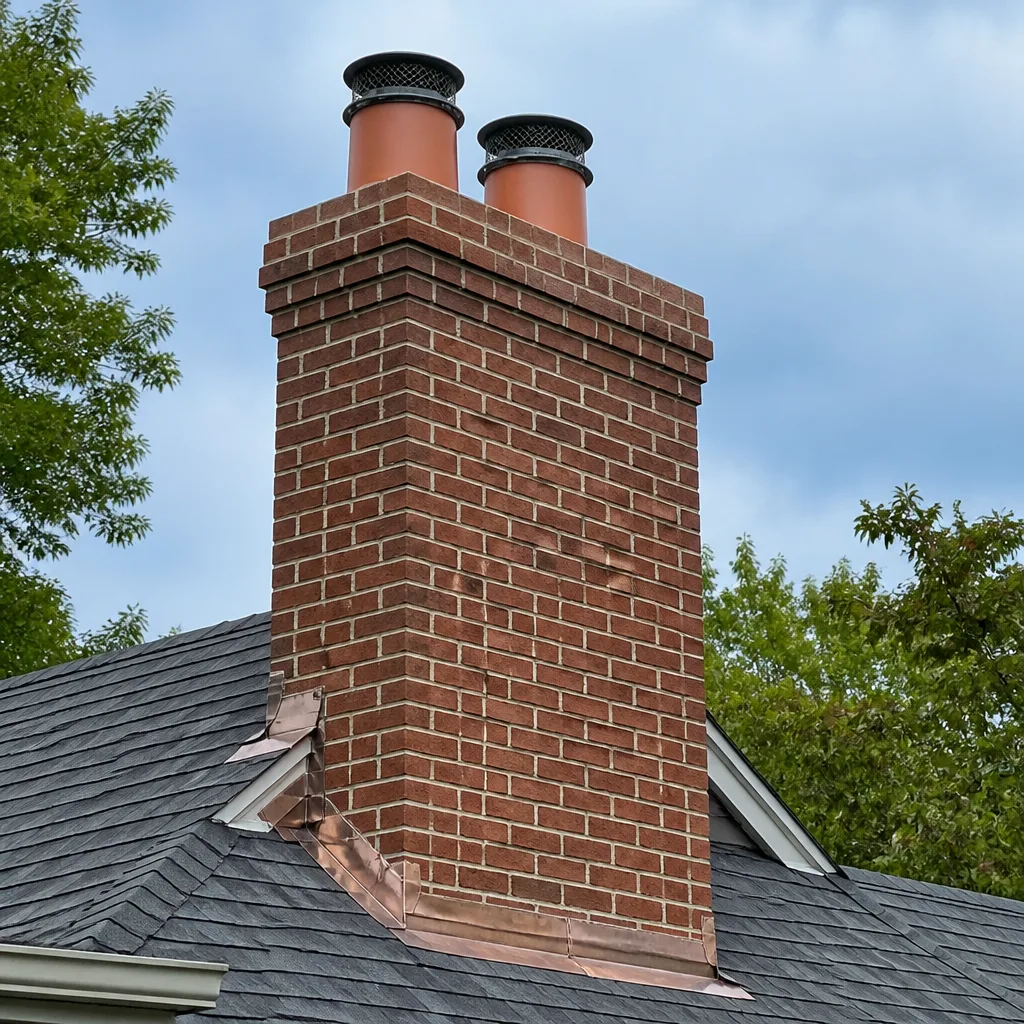
7. Exterior Masonry and Flashing
Pass criteria: Mortar joints intact, no efflorescence (white salt deposits), no spalled brick faces. Flashing (metal where chimney penetrates roof) sealed, no gaps, no rust.
Fail criteria / schedule service: Mortar loss exceeding 1/4 inch depth, any spalling that exposes inner brick, efflorescence indicating moisture migration, any flashing separation or rust-through. Salt air in Long Beach accelerates mortar joint deterioration; we’ve replaced crowns and repointed chimneys in Naples and Belmont Shore that showed significant degradation in under 10 years.
8. Clearances to Combustibles
Pass criteria: Mantel and surrounding trim maintain 6-inch minimum clearance (more for deeper mantels per NFPA 211 tables). No visible charring of adjacent materials.
Fail criteria / schedule service: Any charring, any clearance less than code minimum, any combustible material closer than required. This is a common issue in remodeled Long Beach bungalows where original mantels were replaced with deeper wood surrounds without proper clearance adjustment.
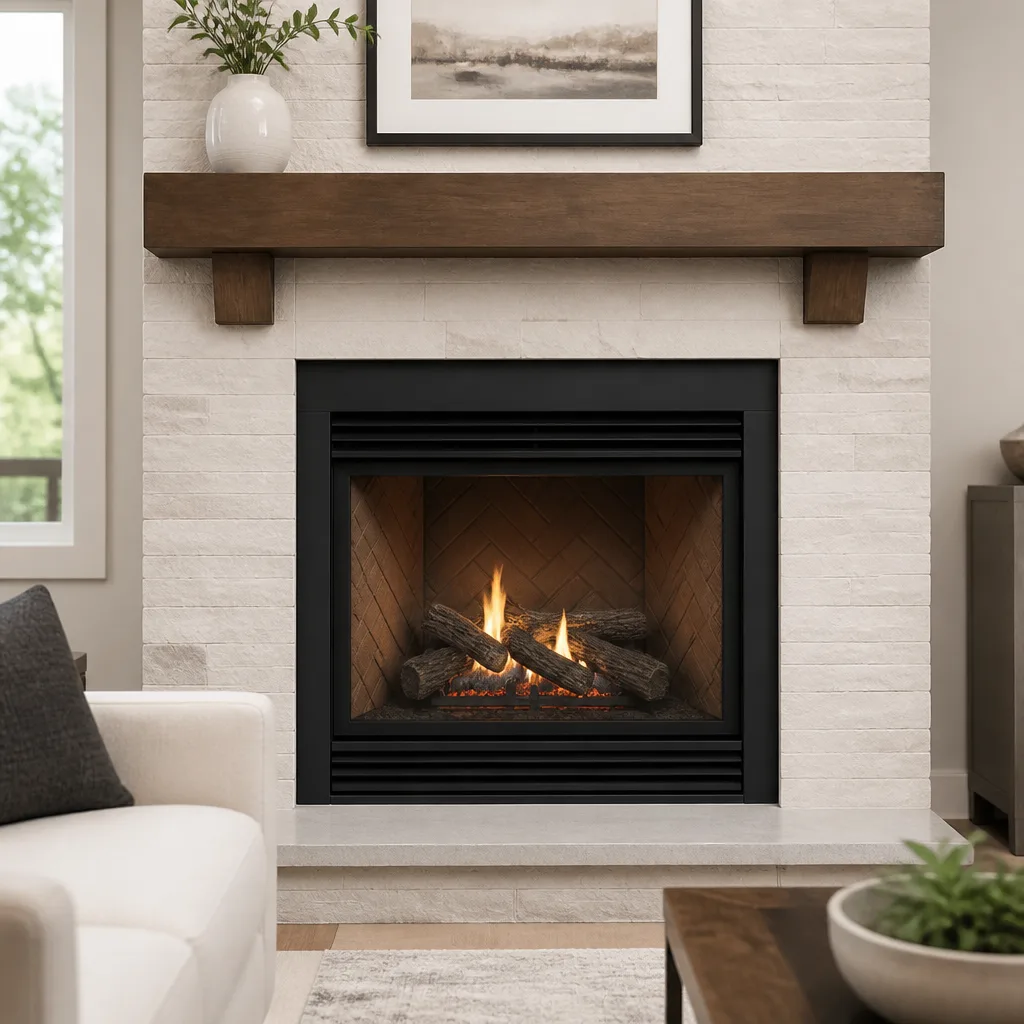
Gas-Log Insert Maintenance Checklist
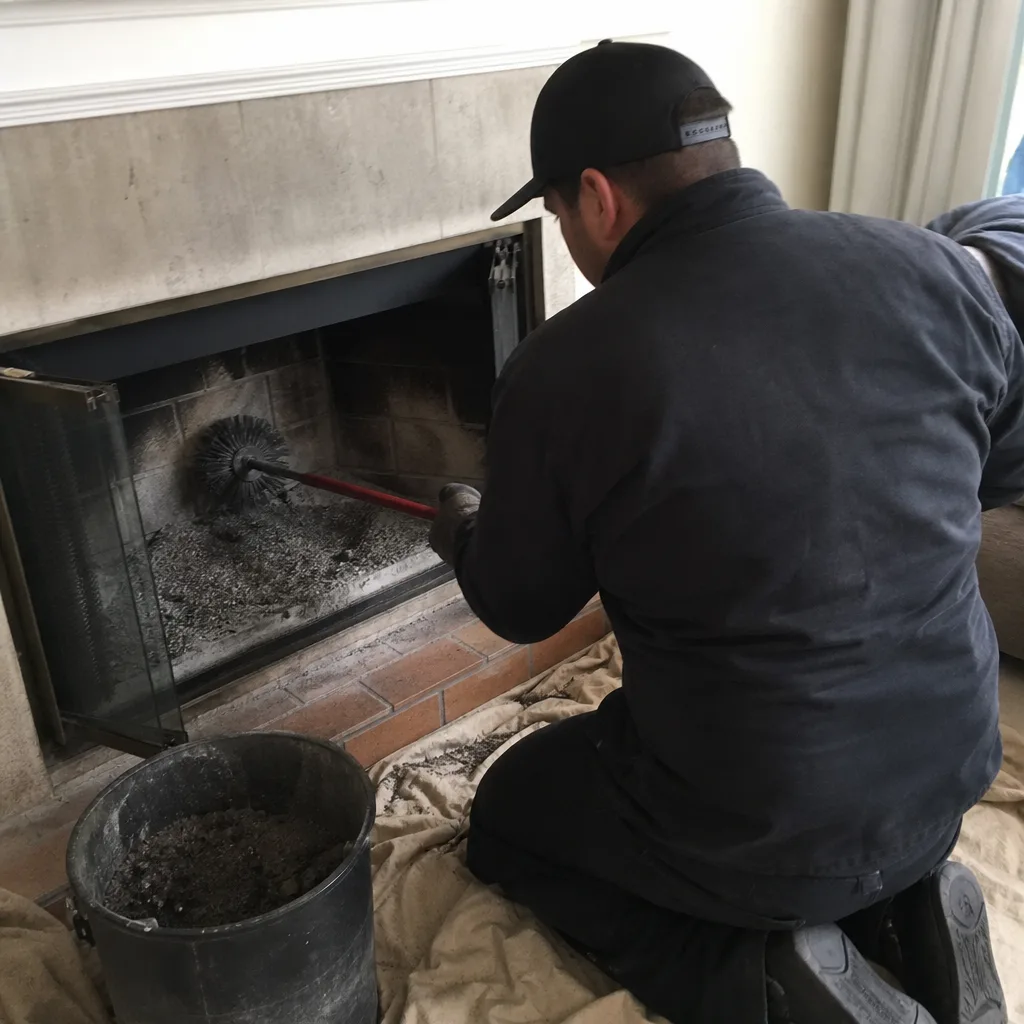
Gas-log systems fail differently than wood-burners. The combustion is cleaner, so creosote isn’t the primary concern. But the lower exhaust temperatures mean more moisture condenses in the flue, and the precise air-fuel mixture required for safe operation means small component failures have immediate consequences. Carbon monoxide risk is the critical factor here - odorless, colorless, and produced by any incomplete combustion.
Long Beach’s gas-log installations cluster in newer construction and condo conversions, particularly in Downtown Long Beach, Alamitos Beach, and the Marina Pacifica area. Many were installed in existing wood-burning fireplaces without proper liner resizing, creating draft problems that show up as soot staining or moisture damage.
1. Burner and Log Set Condition
Pass criteria: Logs in original position per manufacturer diagram, no cracking or breakdown of refractory material. Burner ports clean, no corrosion, no debris. Flame pattern blue with minimal yellow tipping, stable without lifting or floating.
Fail criteria / schedule service: Cracked or displaced logs (alters flame pattern and can cause sooting), clogged burner ports, any corrosion that threatens gas integrity, yellow or orange flame indicating incomplete combustion, flame lifting or floating (wrong air mixture or pressure issue).
2. Gas Valve and Control Operation
Pass criteria: Smooth ignition, flame adjustment responsive, pilot stable. No gas odor at any operating stage. Shutoff valve accessible and operable.
Fail criteria / schedule service: Delayed ignition, any gas odor, pilot that won’t stay lit or requires repeated relighting, control knob that doesn’t positively detent at settings, inaccessible or frozen shutoff valve.
Safety note: If you smell gas at any time, shut off the gas at the appliance valve or main meter, extinguish all ignition sources, ventilate the area, and call your gas utility or a licensed professional. Do not operate the appliance.
3. Venting System Integrity
Pass criteria: For direct-vent systems, intake and exhaust terminals clear of obstruction, proper separation per manufacturer (typically 12 inches minimum between intake and exhaust). For vented gas logs in masonry chimneys, draft established within 60 seconds of ignition, no spillage of combustion products into room.
Fail criteria / schedule service: Any blockage at terminals, any evidence of combustion spillage (soot on fireplace face, condensation on glass, CO detector activation), draft that fails to establish or reverses. Venting problems in gas systems are immediate health hazards.
4. Glass Door or Enclosure Seal
Pass criteria: Glass intact, gaskets pliable and continuous, door latches secure. No combustion spillage past seal during operation.
Fail criteria / schedule service: Cracked glass, deteriorated gaskets, doors that don’t seal positively. Broken seals allow room air to be drawn up the chimney (waste) and can allow combustion products into the room if draft fails.
5. Liner Sizing and Condition (Camera-Required)
Pass criteria: Liner properly sized for appliance BTU input and vent configuration per NFPA 54 tables. For gas conversions in original masonry chimneys, this often means a flexible liner insert. No deterioration, no gaps, no moisture staining indicating condensation.
Fail criteria / schedule service: Oversized liner (causes condensation and poor draft), undersized liner (restricted flow, spillage risk), any deterioration of liner material, any gaps at connections. We regularly find in Long Beach that gas-log conversions installed without liner evaluation have liners 2-3 times too large for the appliance, guaranteeing chronic moisture problems.
6. Carbon Monoxide Detector Function
Pass criteria: CO detector present within 10 feet of sleeping areas, test button functional, unit within expiration date (check manufacture date - most expire in 7-10 years).
Fail criteria / schedule service: No detector, non-functional unit, expired detector, or detector positioned too far from sleeping areas. This is not a chimney component, but it’s your only warning of a venting failure.
Long Beach Coastal Environment Factors
Long Beach’s location on the Pacific with prevailing onshore flow creates specific deterioration patterns that inland checklists ignore. Salt-laden air accelerates metal corrosion and drives moisture into masonry through a cycle we see repeatedly in our inspections from the Peninsula to Signal Hill.
Cap and crown corrosion: Standard galvanized steel caps in Long Beach typically show rust-through in 3-5 years. Stainless steel or copper caps from suppliers like Gelco or Copperfield last substantially longer. We specify marine-grade materials through our Haven buying network for this reason. When we replace a cap in Long Beach, we document the material grade so the homeowner knows what they have.
Mortar joint salt deterioration: Salt air penetrates porous masonry, crystallizes as moisture evaporates, and forces mortar apart. This efflorescence-and-spalling cycle is visible as white staining followed by surface flaking. Repointing with proper salt-resistant mortar is the fix, not surface sealing which traps moisture inside.
Moisture intrusion at the crown: Long Beach’s morning marine layer keeps chimney crowns damp for hours. Any crack in the crown becomes a wick. Water enters, freezes rarely but expands on wetting, and progressively destroys the crown from below. Crown sealant applications fail predictably because they don’t address the underlying crack. We rebuild crowns with proper concrete mix, reinforcement, and slope, or install bonded crown coatings from HeatShield when appropriate.
Fireplace damper rust: Damp salt air rusts cast iron and steel dampers even when not in use. A damper that operated smoothly in October may seize by January. Annual operation check - open and close fully - is essential.
These factors mean a Long Beach chimney needs more frequent cap and crown evaluation than the same system in Riverside or San Bernardino. The NFPA 211 annual inspection interval assumes normal conditions. Coastal exposure is not normal.
What Homeowners Can Self-Assess vs. Camera-Only Items
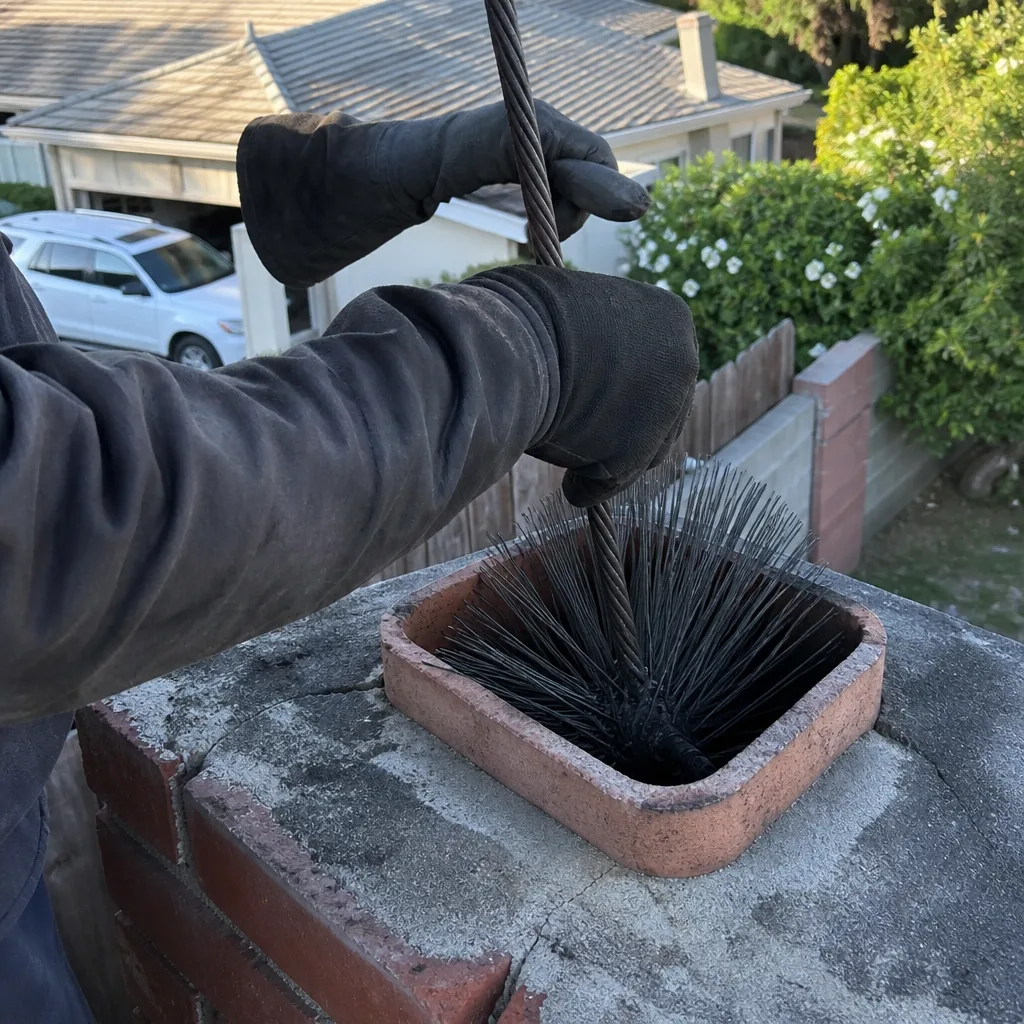
There’s value in knowing what you can check yourself and what requires equipment you don’t own. This boundary also tells you whether a “sweep” who doesn’t bring a camera can actually evaluate your system.
Homeowner Self-Assessment Items
- Cap condition from ground or roof: Visible rust, missing mesh, loose attachment, animal nesting material.
- Crown condition from roof or upper window: Visible cracks, spalling, standing water, improper slope.
- Exterior masonry: Efflorescence, spalled brick, missing mortar, leaning or separation from building.
- Firebox and hearth: Cracked brick, missing mortar, hearth extension condition, clearances to combustibles.
- Damper operation: Opens, closes, seats without force.
- Gas log flame appearance: Blue with minimal yellow, stable, no soot on logs or glass.
- CO detector: Present, functional, not expired.
Camera-Only Items (NFPA 211 Level 2 Inspection Required)
- Flue liner full-length condition: Cracks, gaps, spalling, joint separation, corrosion. A flashlight from top or bottom sees 2-3 feet at best; the camera sees all 15-25 feet.
- Smoke chamber construction and parge coat: Cannot be evaluated from firebox opening without specialized equipment.
- Creosote deposit classification and thickness: Especially in the upper flue and at offsets where it concentrates. Class III identification requires close-up visualization.
- Hidden moisture damage: Staining patterns on liner that indicate water entry points not visible externally.
- Liner sizing for gas appliances: Requires measurement and BTU calculation, but camera first confirms liner exists and is intact.
The distinction matters because many Long Beach homeowners have paid for “inspections” that covered only the self-assessment items. A flashlight look down the flue from the top is not a Level 2 inspection. It doesn’t meet NFPA 211, doesn’t satisfy most insurance requirements after a claim, and doesn’t find the conditions that cause fires and CO incidents.
At Emberly Chimney Cleaners Long Beach home, Clause 4 of the Haven Standard requires a camera-scan photo record on every job. We’ve done this since 2009, before insurers or regulators asked for it. The archive practice became the standard because it prevents disputes about what was found and what was recommended.
Documenting Your Baseline Before the Sweep Arrives
Every contractor’s documentation serves the contractor. Your own baseline serves you. It proves pre-existing condition, validates change over time, and gives you an independent record if recommendations seem aggressive.
Here’s what to photograph before any sweep or inspection:
- Firebox, wide shot: Stand back, capture full firebox including hearth extension, damper area, and surrounding trim. Date the image.
- Firebox close-up: Any cracks, spalling, or repairs you know about. Include a coin or ruler for scale.
- Damper, open and closed: Shows operation and condition of frame and blades.
- Exterior, full chimney: From ground level, capturing cap, crown, visible flue, and relation to roofline.
- Crown close-up: From roof if safely accessible, or upper window. Any cracks, discoloration, deterioration.
- Exterior masonry detail: Representative mortar joints, any efflorescence, any spalled brick.
- Gas log installation: Log arrangement (compare to manufacturer diagram later), burner visible area, control valve location.
- Any previous work: If you have receipts or reports from prior services, photograph them too for date and scope reference.
Store these with the date in a dedicated folder. When the sweep provides their report with photos, compare. Same angles? Same conditions noted? Any “urgent” finding that wasn’t visible in your baseline deserves specific explanation. The Haven Standard’s Clause 1 - written price, written scope, written warranty before work starts - protects you from pressure decisions. Your baseline photos add another layer.
We’ve had Long Beach homeowners bring us competitor reports recommending immediate liner replacement. Our camera inspection showed minor spalling at the flue top, repairable with a Famco or Olympia Chimney top-sealing damper and crown work - a difference of thousands of dollars. The baseline photos helped us show exactly what had changed and what hadn’t.
What Chimney Maintenance Costs in Long Beach
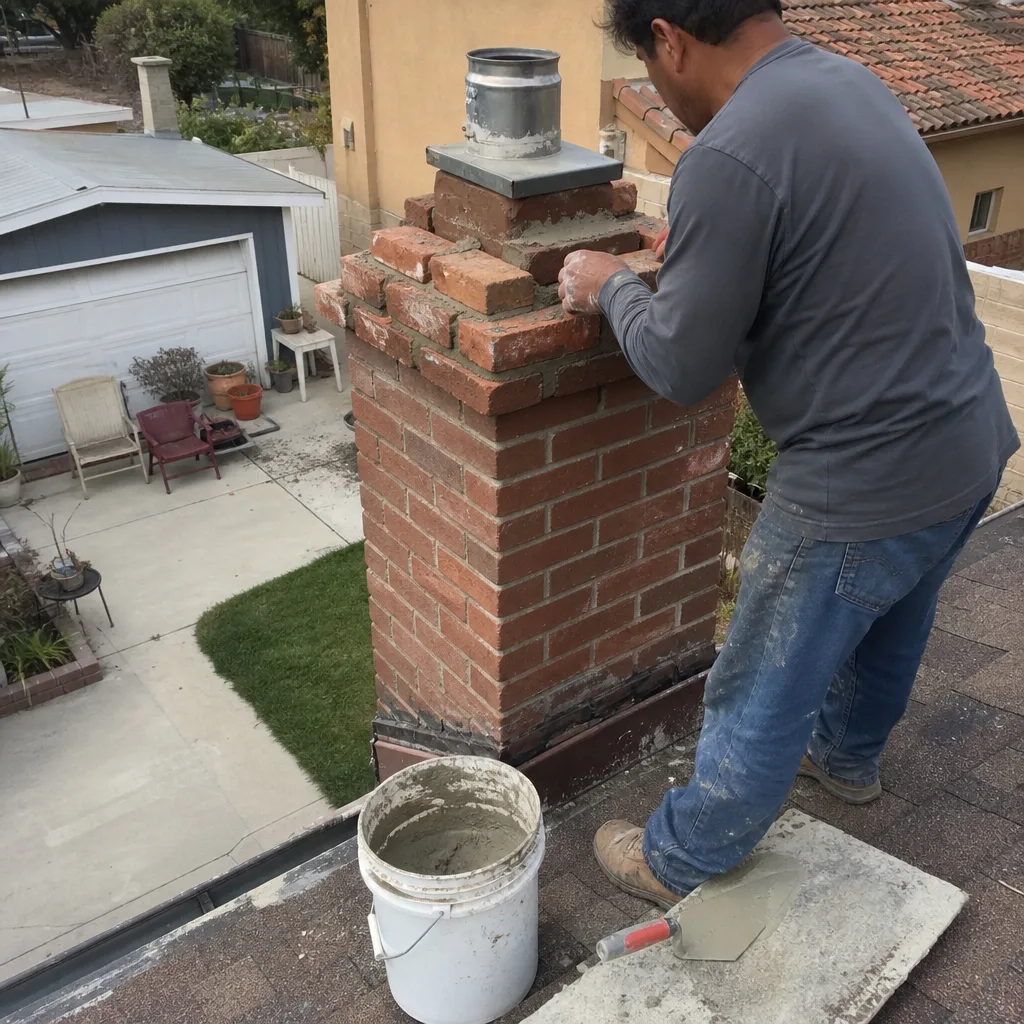
Price transparency is central to how we operate. Every Emberly Chimney Cleaners Long Beach job gets a written price before work starts - no exceptions, no “call for a quote” evasion. Here’s what chimney maintenance typically runs in the Long Beach market based on our 38,000+ jobs since 2009:
| Service | Typical Range | What Affects Price |
|---|---|---|
| Level 2 camera inspection with sweep (wood-burning) | $289-$389 | Chimney height, access difficulty, creosote class (Class III adds $75-$150) |
| Level 2 camera inspection with service (gas-log) | $249-$329 | Appliance type, vent configuration, need for burner cleaning or adjustment |
| Crown repair (minor crack sealing) | $350-$650 | Crown size, accessibility, extent of crack network |
| Crown rebuild (concrete) | $1,200-$2,400 | Chimney dimensions, reinforcement needs, scaffold requirements |
| Chimney cap replacement (stainless) | $285-$525 | Flue count, cap style, mesh specification, material grade |
| Smoke chamber parging | $1,800-$3,200 | Chamber size, access (firebox removal sometimes required), parge material |
| Flue liner repair (HeatShield cerfractory) | $2,400-$4,500 | Flue length, diameter, number of offsets, extent of damage |
| Stainless steel liner installation | $3,800-$7,500 | Length, diameter, insulation requirements, appliance connections |
These ranges reflect Long Beach’s labor market and material costs through our Haven buying network with DuraFlex, HeatShield, Gelco, Olympia Chimney, Famco, and Copperfield. Prices at the higher end typically involve multi-flue chimneys, steep roof access, or historic construction in neighborhoods like Bluff Park or Rose Park where scaffold setup is complex.
We provide a Free Second Opinion on any written estimate from another company. Bring their quote. We’ll camera-inspect and tell you if the scope and price align with what we find. No charge for the second opinion, no obligation.
Common Mistakes to Avoid
- Hiring based on “sweep” price alone. A $99 sweep that doesn’t include camera inspection, doesn’t evaluate the smoke chamber, and doesn’t provide written documentation is not a bargain. It’s a missed diagnosis that costs thousands later or risks a fire.
- Assuming gas logs need no maintenance. Gas systems produce moisture, corrode liners, and mis-vent carbon monoxide. Annual inspection is not optional for safety.
- Ignoring the smoke chamber. Most chimney fires start here, yet most sweeps never inspect it. Ask specifically: “Will you camera-inspect the smoke chamber?” If they hesitate, keep looking.
- Sealing crown cracks from the surface. Surface sealant traps water inside the crown, accelerating freeze-thaw damage. Proper repair requires crack routing, appropriate patching material, and often crown rebuilding.
- Using the wrong checklist for your fuel type. Wood-burning and gas-log systems have different failure modes. A wood checklist applied to gas misses CO risks; a gas checklist applied to wood misses creosote hazards.
- Skipping baseline documentation. Without your own photos, you have no independent reference when a contractor recommends expensive work. The 10 minutes of photography protects you from unnecessary spending.
- Waiting for visible problems. By the time you see exterior spalling or interior cracking, water or heat damage is already advanced. Camera inspection finds conditions before they’re visible.
When to Call a Professional
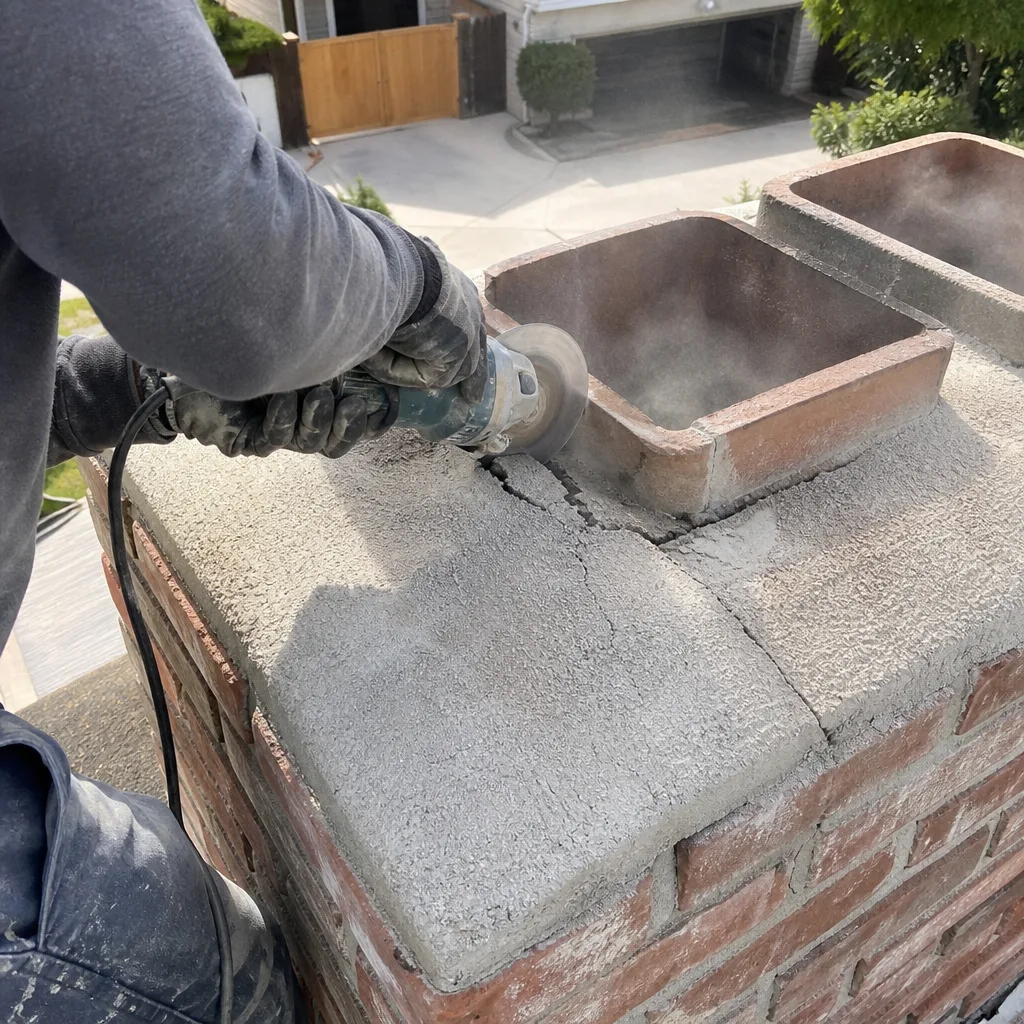
Call for a Level 2 camera inspection if: you observe any fail criteria in the checklists above; you’ve never had a camera inspection and your chimney is over 10 years old; you’re buying a home in Long Beach and the inspection report notes the chimney as “not evaluated” (common); you’ve had a chimney fire, even a small one; or your CO detector has activated for any reason.
Also call before burning season begins - typically October in Long Beach - so any needed repairs can be completed without urgency pressure. We answer live 24 hours a day, 7 days a week. A real person, not voicemail.
Chimney Repair in Long Beach from Emberly Chimney Cleaners Long Beach includes free estimates with written scope and price before any work begins. Call (424) 401-5585 to schedule. Every job is backed by the 365-Day Done Right Promise: if it’s not done right, we make it right.
Frequently Asked Questions
A proper NFPA 211 Level 2 chimney sweep with camera inspection in Long Beach typically costs $249-$389 depending on fuel type, chimney height, and creosote condition. Class III glazed creosote or difficult access adds to the base price. We provide a written price before any work starts - no exceptions. Call (424) 401-5585 for a free estimate.
Active wood-burning fireplaces need annual inspection and cleaning when creosote exceeds 1/8 inch. Gas-log inserts need annual inspection for venting integrity and component condition, though they typically require less frequent cleaning. Long Beach’s coastal environment may accelerate cap and crown deterioration, so exterior evaluation every 6 months is prudent. Frequency should follow observable conditions, not just calendar dates.
You need a new liner only if camera inspection shows cracks, gaps, spalling, or sizing mismatches that create safety hazards. We never recommend liner replacement without photo evidence you can see yourself. Many “liner replacement” recommendations we second-opinion in Long Beach turn out to be repairable with cerfractory coating or localized patching. Bring us any written estimate for a free second opinion.
For wood-burning systems: accumulated creosote ignites at 451°F, causing chimney fires that damage liners and spread to structure. For gas systems: venting failures release carbon monoxide, or moisture destroys liners from inside. Both risks increase with deferred maintenance. The cost of annual inspection is minor compared to fire damage, CO poisoning, or emergency liner replacement. Call (424) 401-5585 to schedule before problems develop.
A Level 1 inspection is a visual examination of readily accessible portions - what you can see without tools. A Level 2 inspection requires camera examination of the flue interior, smoke chamber evaluation, and inspection of accessible attics, crawl spaces, and basements. NFPA 211 requires Level 2 for property transfers, after chimney fires, or when changing appliance type. Emberly Chimney Cleaners Long Beach performs Level 2 as our standard on every visit - Clause 4 of the Haven Standard requires the camera and photo record.
Homeowners can remove light ash and debris from the firebox, but flue cleaning and evaluation requires proper equipment and training. Class II and III creosote removal needs rotary tools or chemical treatment that homeowners don’t typically own. More importantly, you cannot evaluate liner condition or smoke chamber integrity without a camera system. For safety-critical components, professional inspection is the appropriate choice. We document everything we find so you know exactly what was done.
A brief dust-burning smell at first startup after months of disuse is normal. Persistent odor, especially sulfurous or chemical smells, indicates incomplete combustion, debris in the burner, or a venting problem. Any odor accompanied by headache, dizziness, or CO detector activation is an emergency - shut off the appliance and call for service. Annual inspection prevents most odor issues by keeping burner and venting components clean and properly adjusted.
The Bottom Line
Effective chimney maintenance in Long Beach requires the right checklist for your fuel type, observable pass/fail criteria rather than vague calendar schedules, and camera documentation for the components you cannot see yourself. Wood-burning systems demand creosote management and smoke chamber evaluation; gas-log systems need venting verification and combustion component inspection. Both suffer accelerated deterioration from Long Beach’s coastal salt air, making cap, crown, and masonry evaluation especially critical. Document your own baseline before any contractor arrives. Demand written price, written scope, and written warranty before any work begins. And never accept a “sweep” that doesn’t include a camera down the flue - the conditions that cause fires and carbon monoxide events hide where flashlights cannot reach.
Written by Corrine Halstead, Owner at Emberly Chimney Cleaners Long Beach, serving Long Beach since 2009.