
Last updated September 22, 2026
Level 1 sweep and inspection to the NFPA 211 annual standard - flue, crown, cap, and flashing checked and photographed
Chimney sweep logs do not sweep chimneys. They loosen some creosote - which then falls where a brush and vacuum still have to collect it.
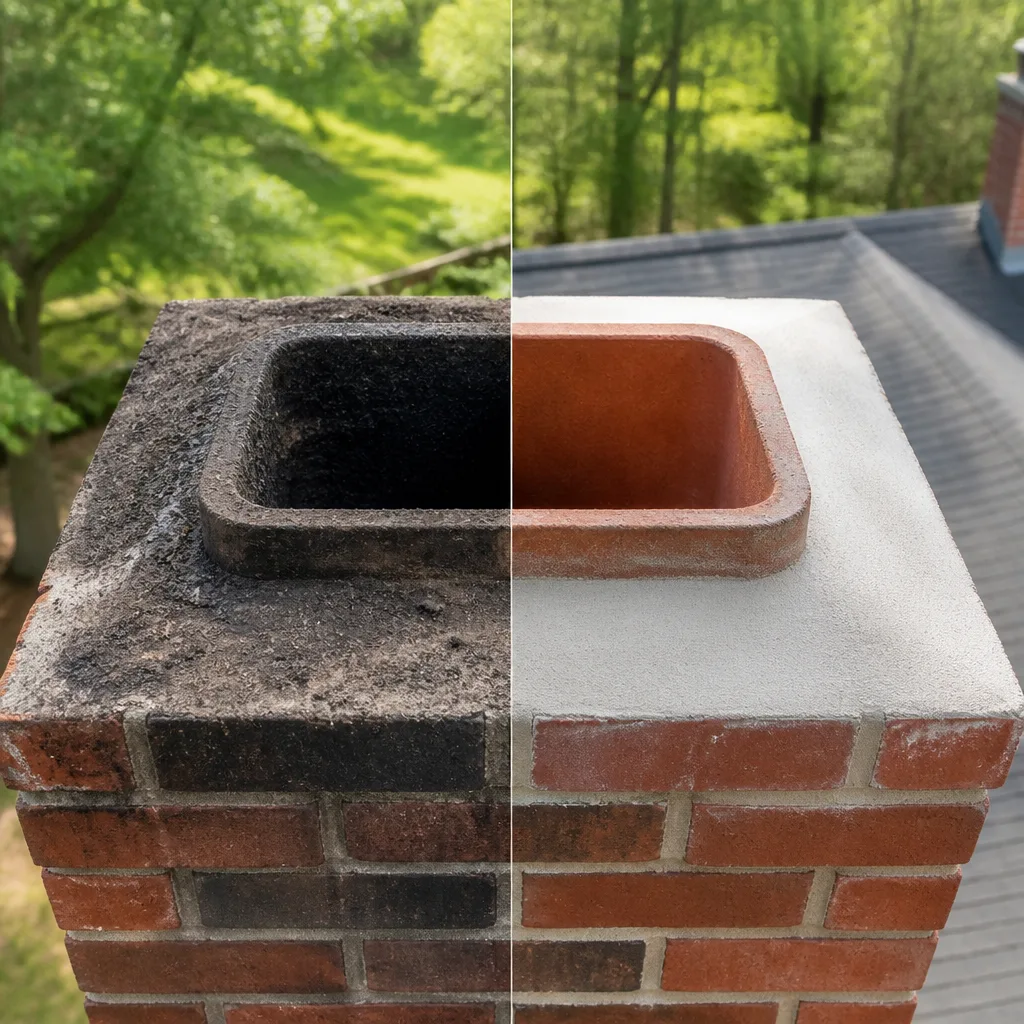
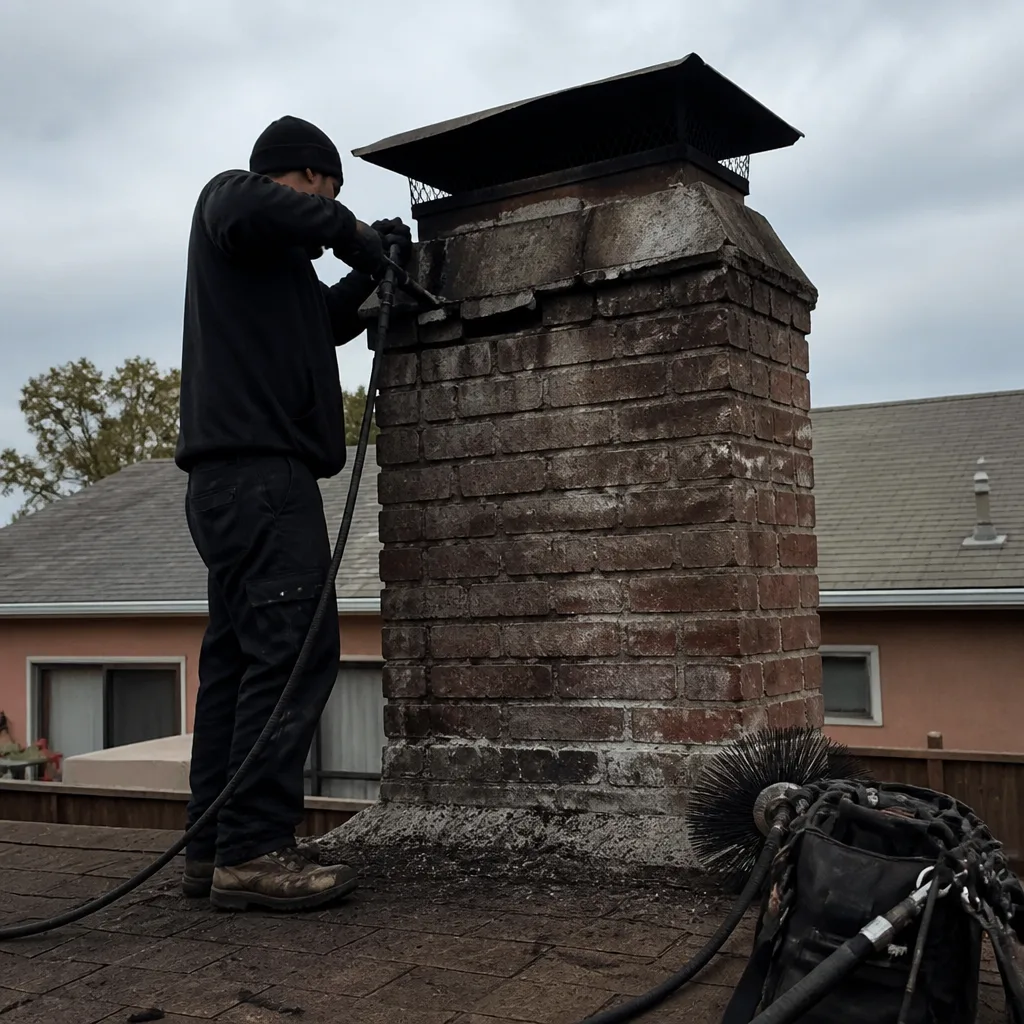 Before
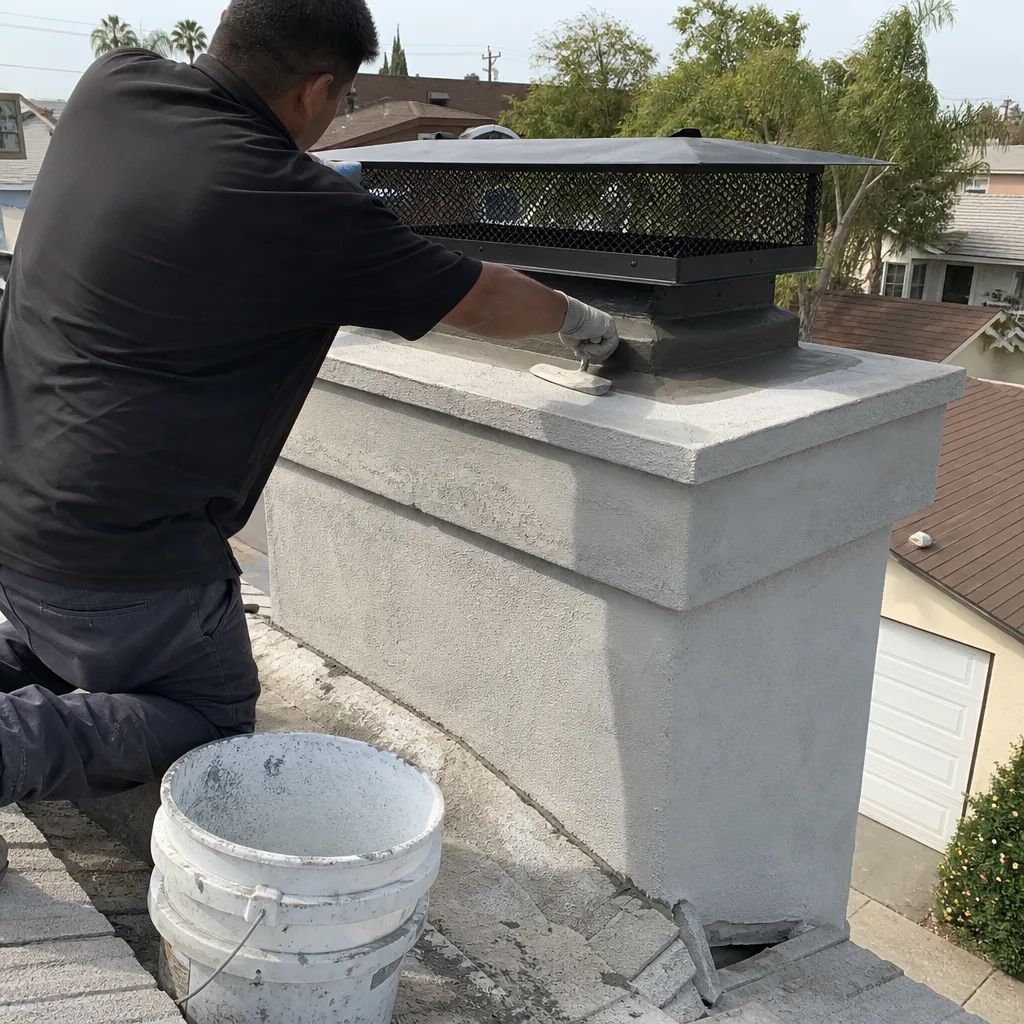 After
After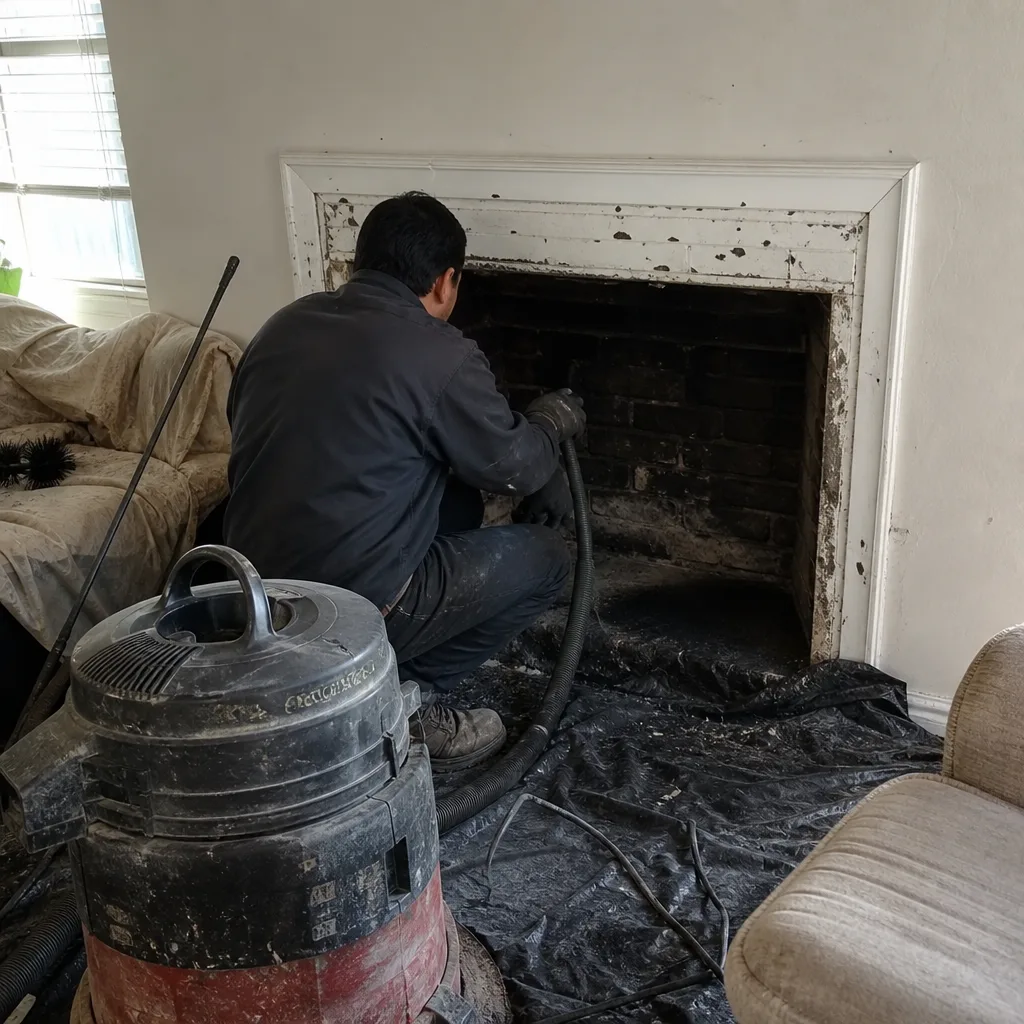 Before
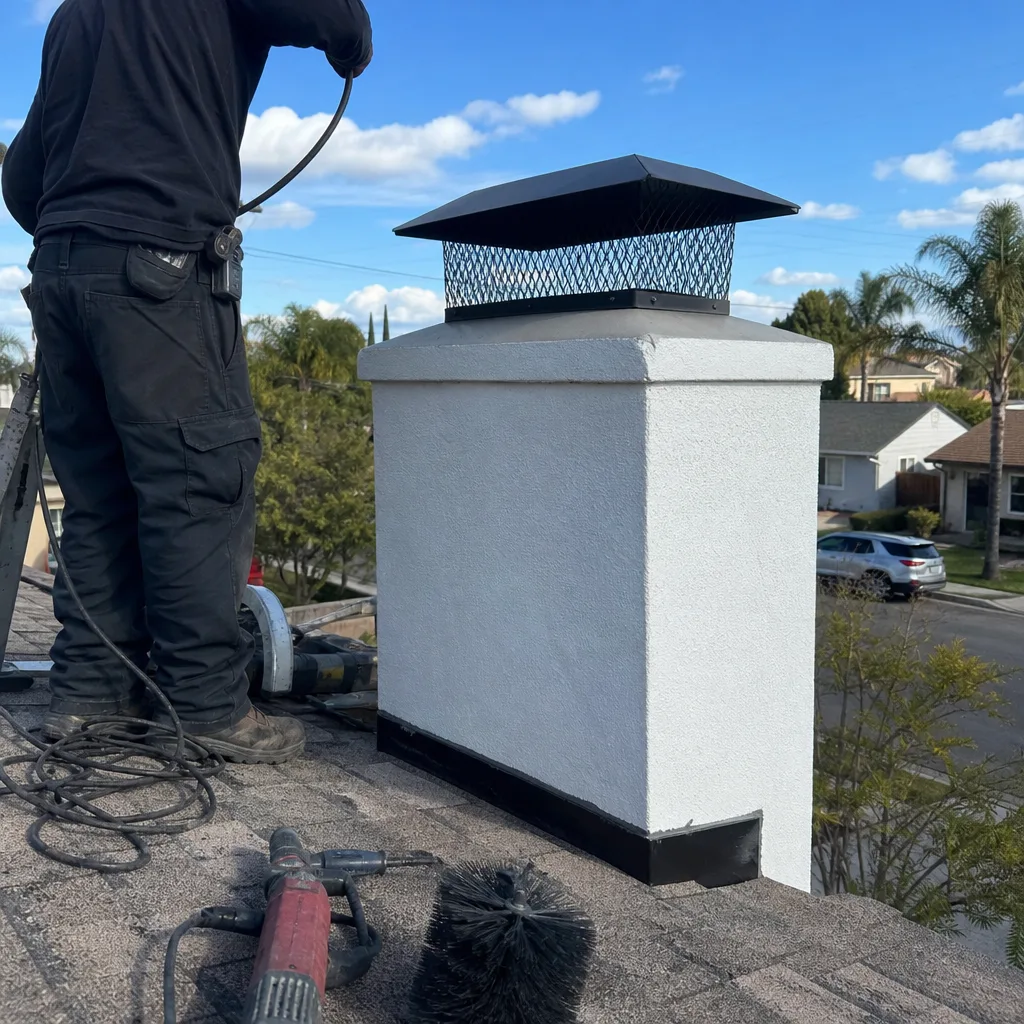 After
After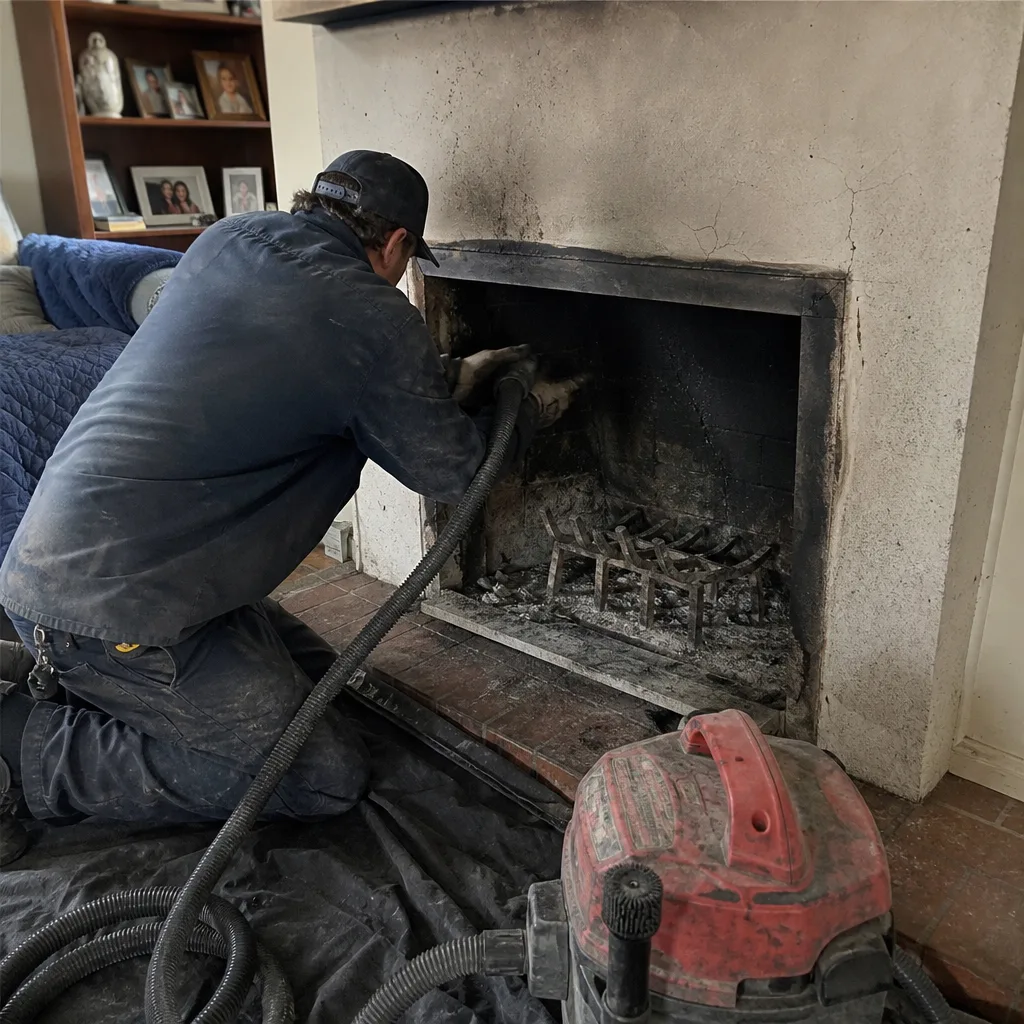 Before
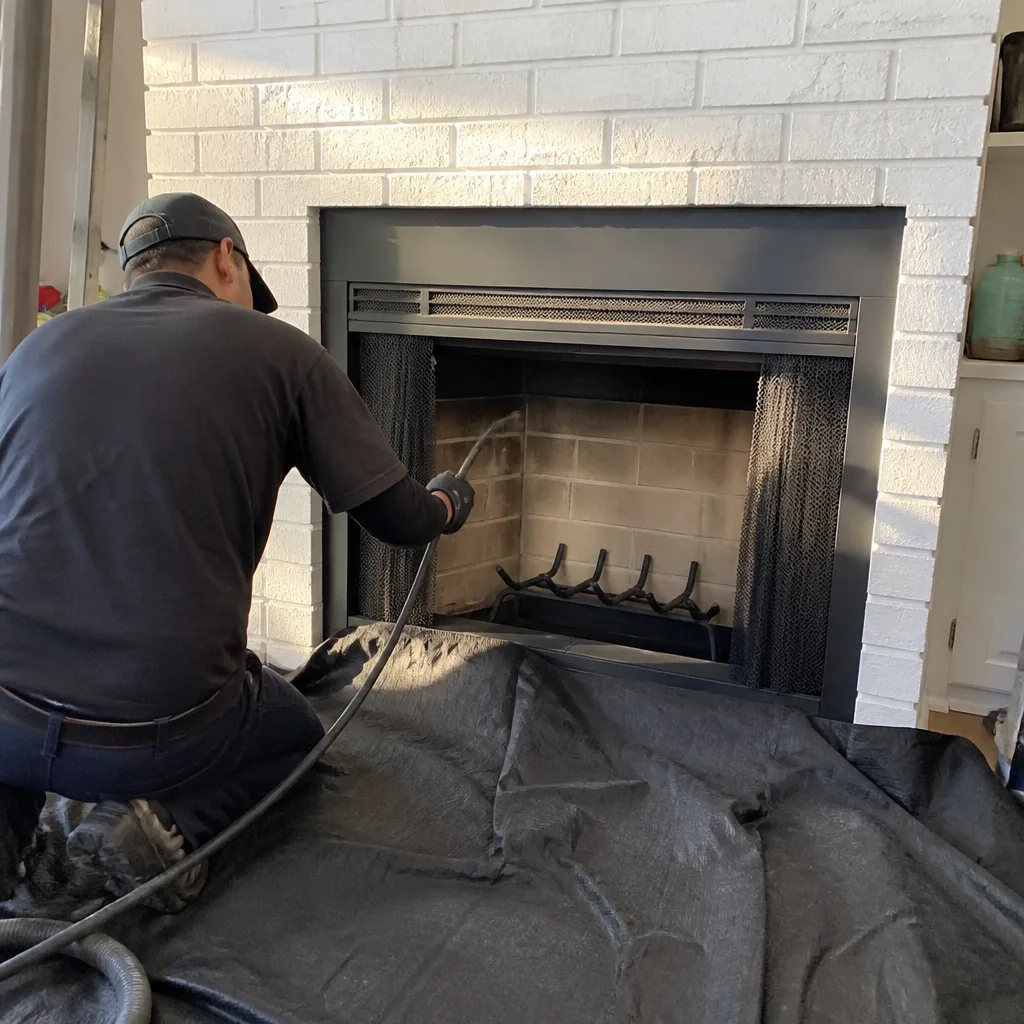 After
AfterDIY vs Professional Chimney Cleaning: The Long Beach Homeowner’s Decision Guide
Here’s the counterintuitive truth most chimney guides won’t tell you: the brush and rods you buy at the hardware store will probably clean your flue just fine. The real question isn’t whether you can push a brush up a chimney. It’s whether your insurance company will believe you did, and whether you can prove the condition of your liner before something goes wrong. In Long Beach, where homeowners insurance premiums have climbed 34% since 2020 and where a chimney fire in Belmont Heights or Naples can trigger a claims review that scrutinizes every maintenance record, the DIY versus professional debate is really a documentation debate. This guide breaks down exactly what DIY chimney cleaning accomplishes, what it cannot, and when the missing paper trail creates financial exposure that dwarfs the service cost - for Chimney Cleaning Cost Breakdown: The Long Beach Homeowner’s Reference for 2026 and related topics, see our other guides.
Quick Answer
DIY chimney cleaning in Long Beach can safely remove loose soot and firebox debris from straightforward masonry fireplaces with accessible flues, but it cannot produce the documented camera inspection that California insurers increasingly require after chimney-related claims. For homes with factory-built metal chimneys, gas inserts, or any flue over 15 years old, professional cleaning with NFPA 211 Level 2 documentation is the only defensible choice.
Table of Contents
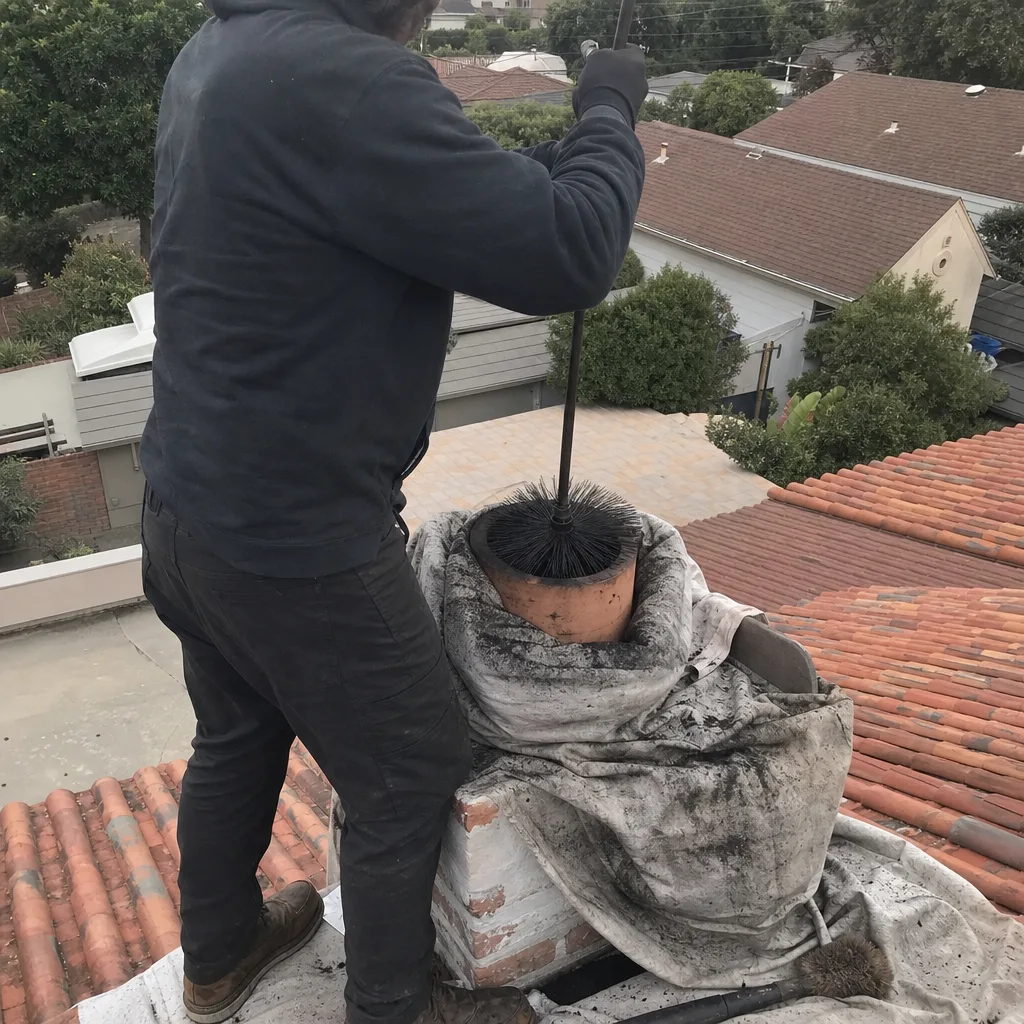
- What DIY Chimney Cleaning Actually Accomplishes
- What DIY Cleaning Cannot Assess Without a Camera
- Insurance Documentation Requirements Long Beach Homeowners Should Know
- California Real Estate Disclosure Rules and Your Chimney Records
- The True Cost Comparison: DIY Kit vs. Professional Service
- Three Scenarios Where DIY Is Defensible
- Three Scenarios Where DIY Creates Documented Liability
- Long Beach-Specific Factors: Climate, Codes, and Neighborhood Conditions
 Before
 After
AfterWhat DIY Chimney Cleaning Actually Accomplishes
A homeowner with basic mechanical aptitude can accomplish three things with a consumer-grade chimney cleaning kit: remove loose, powdery soot (Class I creosote) from the flue walls, clear debris and animal nesting material from the firebox and smoke shelf, and inspect visible portions of the firebox and damper for obvious damage.
The standard DIY kit runs about $45-$75 and includes fiberglass or polypropylene rods, a wire or poly brush sized to your flue diameter, and a basic ash vacuum or dust collection setup. For a simple, open-hearth masonry fireplace in good condition - think a 1980s ranch in Los Altos or a well-maintained California bungalow in Belmont Shore - this is genuinely useful maintenance between professional inspections.
What the kit does well:
- Removes dry, flaky soot before it hardens into glazed creosote
- Clears the smoke shelf of fallen debris, which reduces odor and improves draft
- Allows visual inspection of the firebox refractory panels, damper operation, and throat area
- Provides a baseline for noticing changes over time - “last year the damper moved freely; this year it’s binding”
Where DIY cleaning stops being useful is at the point where the flue liner becomes invisible from below. In a typical two-story Long Beach home, that’s roughly 8-12 feet up, where the flue passes through the attic space and any offsets or transitions occur. The brush will pass through these areas and may dislodge material, but the operator cannot see what the brush touched, what it missed, or what condition the liner surface is in.
We’ve inspected chimneys in Bixby Knolls where the homeowner had cleaned religiously every fall for a decade, only to discover a cracked terracotta flue liner segment that had been spalling (flaking) into the flue space for years. The cleaning was diligent. The documentation was absent. The homeowner had no way to know the liner was degrading, and no record to show an insurer that the damage was progressive rather than sudden.
What DIY Cleaning Cannot Assess Without a Camera
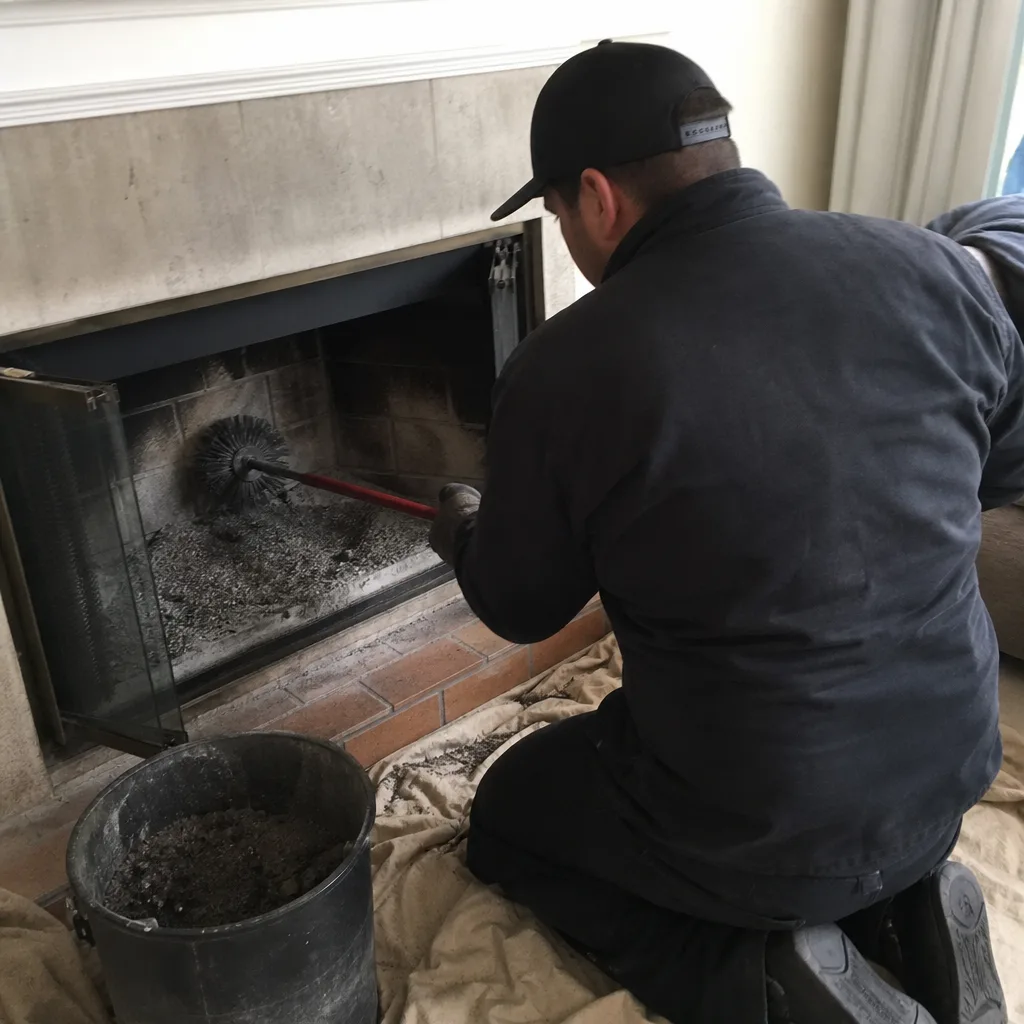
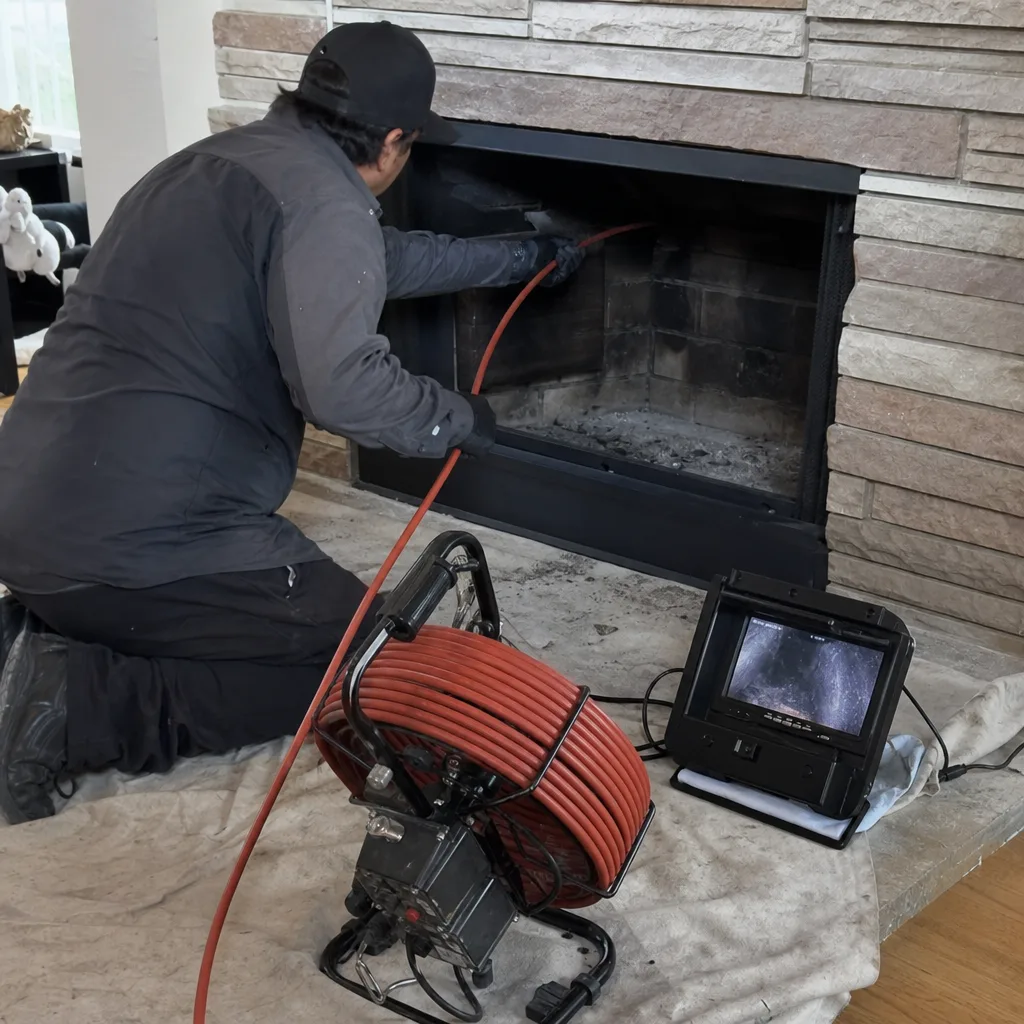
The NFPA 211 Level 2 inspection, which Emberly Chimney Cleaners Long Beach home performs as standard on every visit, exists because certain chimney conditions are invisible without specialized equipment. A DIY cleaning kit provides none of this visibility.
Here is what a camera scan reveals that a brush and rods cannot:
- Flue liner cracks and gaps. Terracotta flue tiles crack from thermal shock - rapid heating when cold, or rapid cooling when hot. A hairline crack at the 12 o’clock position of the third flue segment won’t stop a brush, won’t produce visible debris, and won’t affect draft in most conditions. It will, however, allow combustion gases to reach the masonry surround, accelerating deterioration and creating a path for carbon monoxide migration. We find these cracks in roughly 30% of Long Beach chimneys over 25 years old.
- Smoke chamber deterioration. The smoke chamber is the area above the damper and below the flue proper, shaped like an inverted funnel to direct smoke into the flue. Building codes since the 1940s have required parging (smoothing) this surface, but many Long Beach homes built in the 1950s-1970s have corbeled brick or rough masonry that collects creosote in hidden pockets. A brush passes through; a camera shows the buildup.
- Offset joint gaps and misalignment. Earthquake country means shifted flue segments. The 1933 Long Beach earthquake damaged thousands of chimneys, and minor seismic events since have continued to stress flue systems. An offset joint may still draft adequately but creates a ledge where creosote accumulates and where a brush will skip rather than clean.
- Class III glazed creosote. This hardened, tar-like deposit requires chemical treatment and mechanical removal - a brush won’t touch it. More critically, its presence indicates a history of slow, smoldering fires that the homeowner may not have noticed, and it significantly elevates chimney fire risk.
- Crown and cap interface condition. Water intrusion from the top destroys chimneys from the inside. A camera scan shows water staining, efflorescence (salt deposits indicating moisture migration), and spalling at the flue liner top that a ground-level inspection misses entirely.
Under Clause 4 of the Haven Standard, every Chimney Cleaning & Sweep in Long Beach we perform includes a documented photo record of these conditions. The images are archived with the written scope and written warranty. A DIY cleaning produces no comparable record.
Insurance Documentation Requirements Long Beach Homeowners Should Know
This is where the DIY versus professional question becomes a financial planning question. California homeowners insurance policies have tightened considerably, and chimney-related claims are scrutinized with particular care because they often involve both fire and liability exposure.
Here’s the specific policy language to look for in your declarations page or endorsements:
- “Professional maintenance required” - Some insurers, particularly those writing high-value homes in Naples, Belmont Shore, and the Peninsula, now require that chimney maintenance be performed by a CSIA-certified sweep or equivalent, with dated documentation. DIY cleaning voids this requirement.
- “Annual inspection by qualified technician” - “Qualified” is defined variously, but the trend is toward requiring documentation from a business with general liability insurance and workers compensation coverage - not a homeowner with a brush.
- “Pre-loss condition documentation” - After any fire, the insurer’s subrogation team will request maintenance records to determine whether the loss was sudden and accidental (covered) or due to gradual deterioration or negligence (potentially excluded). A DIY cleaning log, even if meticulously kept, lacks the third-party verification that adjusters prefer.
We’ve worked with Long Beach homeowners who faced claims complications after chimney incidents. In one case, a homeowner in the Wrigley area had cleaned their own chimney annually for six years, documented dates in a spreadsheet, and still faced a $3,200 coverage dispute because the insurer’s engineer testified that “consumer-grade cleaning does not constitute qualified inspection under the policy terms.”
The written price before work starts that Haven Standard Clause 1 requires isn’t just about transparency - it’s about creating a dated, third-party record of professional attention. That record has evidentiary weight that a homeowner’s personal notes do not.
California Real Estate Disclosure Rules and Your Chimney Records
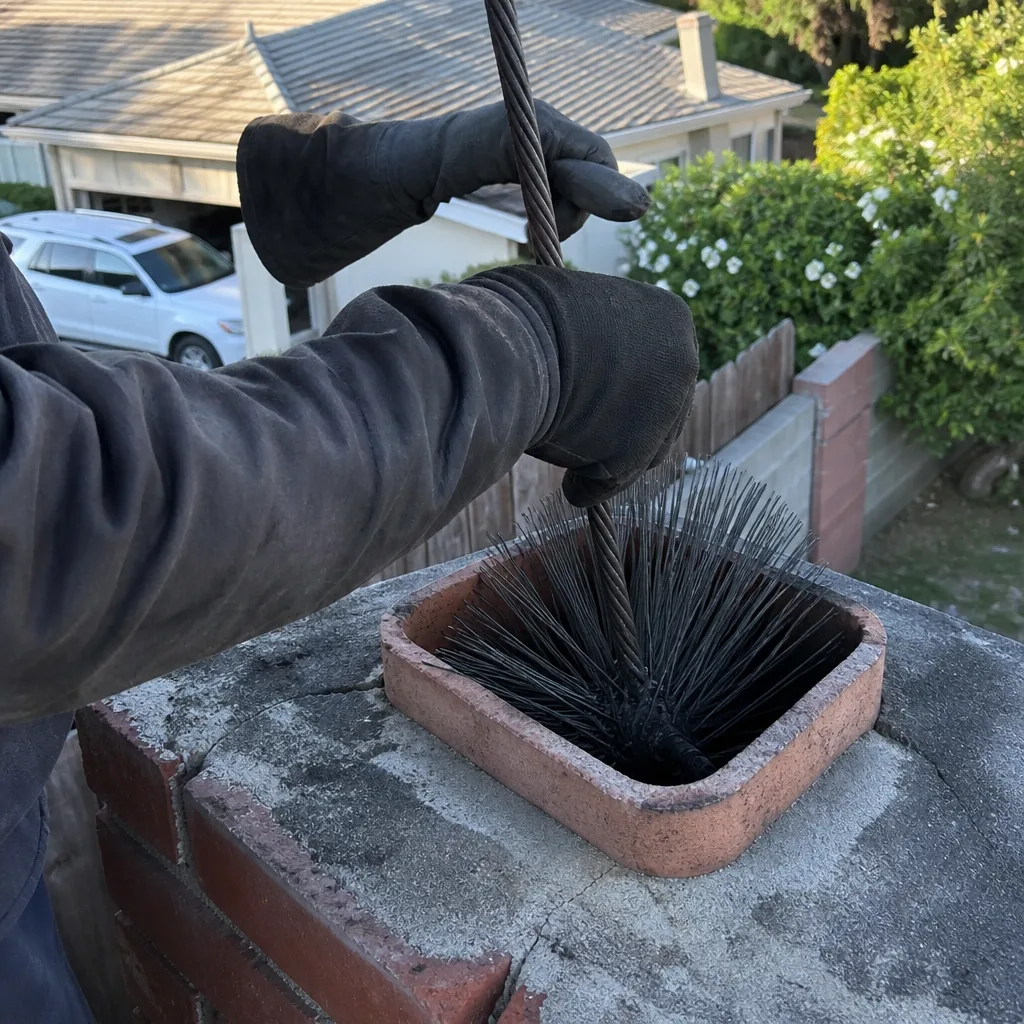
Selling a home in Long Beach triggers the Transfer Disclosure Statement (TDS) and, for properties built before 1978, additional lead and hazardous material disclosures. The chimney sits at an uncomfortable intersection: it’s a structural component, a combustion safety device, and a potential source of environmental hazard.
California Civil Code Section 1102 requires disclosure of “any material facts affecting the value or desirability of the property.” A chimney with known defects - or one that has not been professionally inspected - falls into this category. Here’s how this plays out in practice:
- The seller’s dilemma. If you’ve DIY-cleaned for years and have no professional inspection record, you must either disclose this gap (potentially alarming buyers) or obtain a professional inspection before listing. The latter is increasingly standard in competitive Long Beach markets where buyers bring inspectors who will camera-scan regardless.
- The buyer’s leverage. A buyer’s inspector who finds unreported chimney conditions - cracked liner, deteriorated crown, missing spark arrestor - can trigger renegotiation, credits, or in some cases, withdrawal. The cost of addressing these findings under time pressure typically exceeds the cost of proactive professional service.
- The documentation gap. A DIY cleaning log, even detailed, does not satisfy the standard that most Long Beach real estate attorneys recommend: a dated, third-party inspection report with photo documentation. This is what buyers’ agents request, what escrow officers flag, and what liability insurers for sellers prefer to see in the file.
We’ve provided pre-listing inspections for homeowners in Alamitos Heights and Bluff Park who recognized that a $289-$349 professional inspection with documentation was inexpensive insurance against a $5,000-$15,000 renegotiation. The Chimney Repair in Long Beach page details what those inspections typically find and how they’re documented.
The True Cost Comparison: DIY Kit vs. Professional Service
Let’s be precise about numbers, because this is where most guides round conveniently and mislead.
DIY chimney cleaning - first-year cost:
- Basic rod and brush kit (sized for 8″×8″ or 8″×12″ flue): $52-$78
- HEPA-rated ash vacuum or dedicated soot vacuum: $89-$165 (or shop vacuum with fine dust bags: $35-$55)
- Drop cloths, PPE (respirator, goggles, gloves): $28-$45
- Creosote remover spray (for Class II buildup): $18-$24
- First-year total: $187-$312
DIY chimney cleaning - ongoing annual cost (amortized):
- Brush replacement (every 3-5 years): $18-$32
- Vacuum bags/filters: $12-$18
- Creosote remover: $18-$24
- Annual ongoing: $48-$74
Professional chimney cleaning and inspection in Long Beach:
- NFPA 211 Level 1 cleaning and basic inspection: $189-$249
- NFPA 211 Level 2 inspection with camera scan (included standard at Emberly): $289-$349
- Homes with gas inserts, pellet stoves, or complex configurations: $329-$429
The crossover point where DIY becomes cheaper on a pure cash basis is roughly the third year - assuming you already own the vacuum, don’t damage anything, and don’t value your time. But this comparison omits the documentation value, the camera assessment, and the insurance/real estate benefits detailed above.
More honestly: the professional service isn’t competing with the $52 brush kit. It’s competing with the $52 brush kit plus a separate $289 camera inspection every 2-3 years, which most DIY guides never mention because it undermines the cost narrative.
Three Scenarios Where DIY Is Defensible
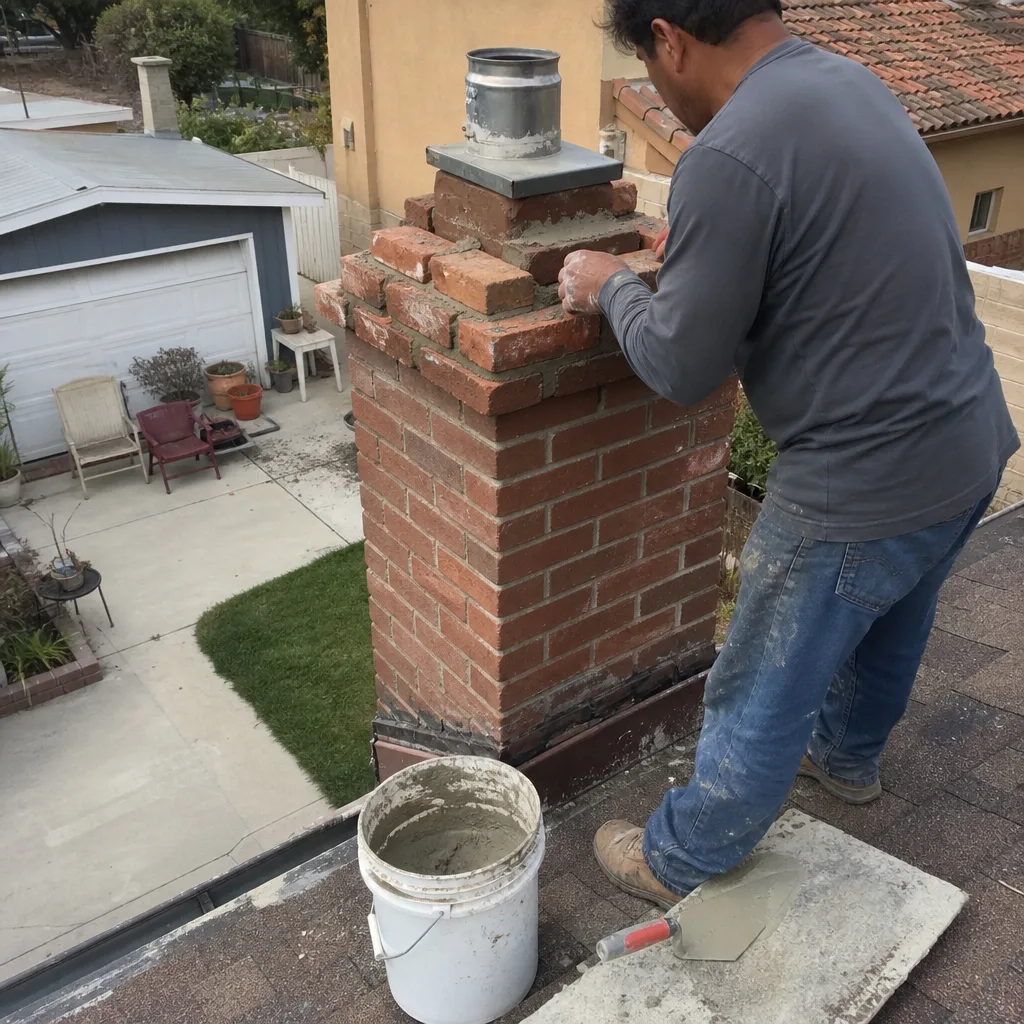
We’re not opposed to competent homeowners maintaining their own equipment. Here are three situations where DIY chimney cleaning is a reasonable choice:
1. Simple, open masonry fireplace; flue under 15 years old; homeowner performs annual cleaning and schedules professional Level 2 inspection every third year.
This is the maintenance pattern we see in newer Long Beach construction and in well-maintained homes in neighborhoods like El Dorado Park Estates and Park Estates. The DIY cleaning handles routine soot removal; the triennial professional inspection catches developing conditions. The homeowner maintains a hybrid record that satisfies most insurance requirements. For a complete maintenance calendar, see our Seasonal Chimney Cleaning Care for Long Beach: Year-Round Homeowner’s Guide.
2. Seasonal vacation home with minimal use; no gas appliances sharing the flue; homeowner is mechanically experienced and documents all work.
The key here is minimal use and no complicating factors. A fireplace used six weekends per year in a second home doesn’t accumulate creosote at rates that demand annual professional attention. The documentation remains important - photos, dates, observations - but the cleaning itself is straightforward.
3. Professional cleaning performed within 18 months; homeowner performing interim maintenance between scheduled professional visits.
This is actually our preferred pattern for engaged homeowners. The professional establishes baseline conditions, documents liner integrity, and identifies any concerns. The homeowner maintains cleanliness between visits, extending the effectiveness of the professional service and reducing the likelihood that a minor issue becomes major.
Three Scenarios Where DIY Creates Documented Liability
Conversely, these three situations expose Long Beach homeowners to significant financial and safety risk:
1. Factory-built metal chimney (zero-clearance fireplace) over 10 years old.
These systems use listed, tested components from manufacturers like Olympia Chimney and Famco, and their warranty and safe operation depend on correct assembly and intact factory components. The chimney chase (the structure surrounding the metal flue) hides corrosion, joint separation, and listing violations that only a camera inspection reveals. DIY cleaning of these systems without manufacturer-specific knowledge can also void remaining warranty coverage. We’ve replaced chase covers and repaired water-damaged zero-clearance systems throughout Long Beach, often after years of well-intentioned DIY maintenance that missed the actual failure mode.
2. Any flue serving a gas appliance, even intermittently.
Gas combustion produces water vapor and corrosive condensate. The liner condition determines whether those byproducts vent safely or deteriorate the masonry. Carbon monoxide risk elevates this from maintenance to life safety. California’s carbon monoxide detector requirements (Health and Safety Code 13260 et seq.) don’t eliminate the source hazard - they only alert to it. A DIY cleaning provides no assessment of liner integrity, and gas appliance manufacturers typically require professional service to maintain warranty and safe operation.
3. Home with older terracotta liner (pre-1990), earthquake history, or known prior chimney fire.
Each of these factors multiplies the probability of hidden liner damage. The 1933 Long Beach earthquake damaged an estimated 70,000 chimneys in the region. Many were repaired cosmetically without liner replacement. Subsequent earthquakes, including the 1987 Whittier Narrows and 1994 Northridge events, added stress. A terracotta liner that survived these events may have micro-cracking, joint displacement, or spalling that a brush passes over harmlessly but that a camera reveals. Any prior chimney fire, even minor, thermally shocks the liner and creates fracture patterns that propagate over time. DIY cleaning after such history is documented negligence if a subsequent incident occurs.
Long Beach-Specific Factors: Climate, Codes, and Neighborhood Conditions
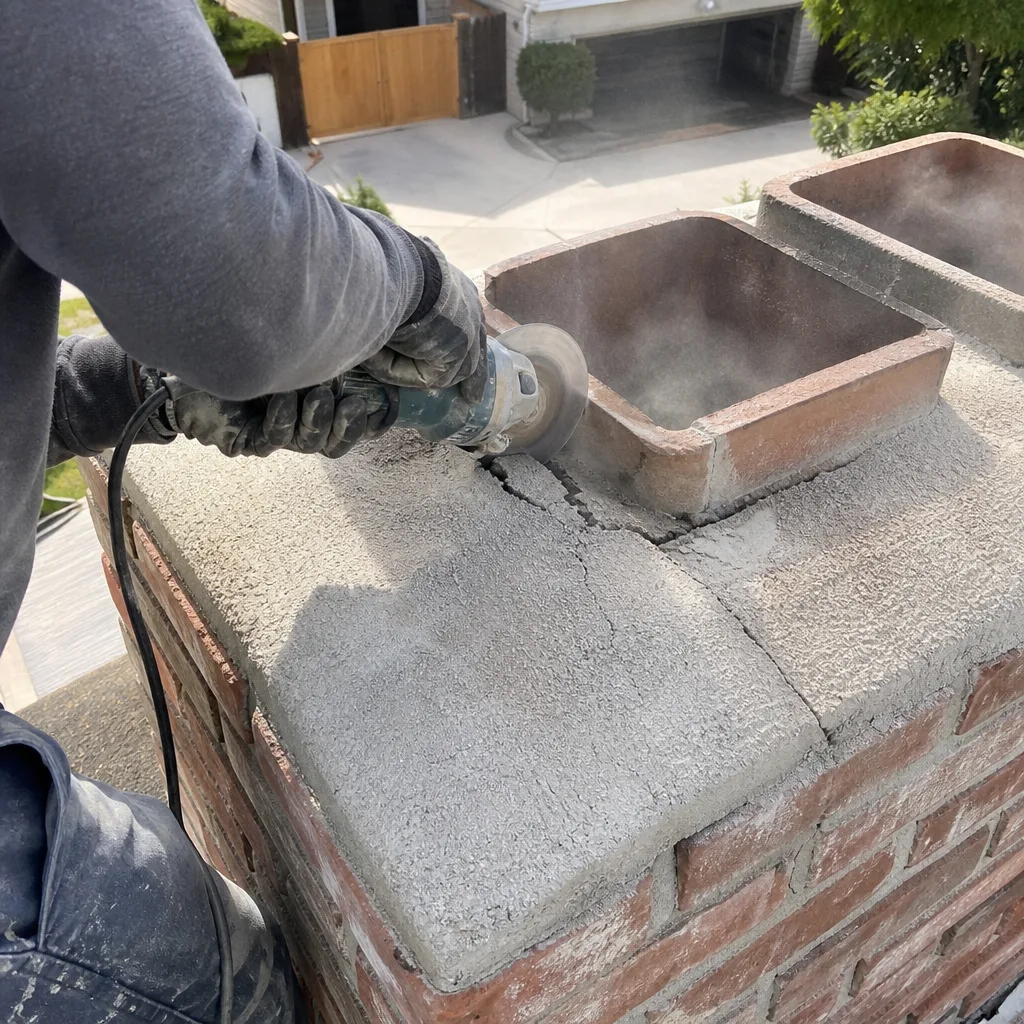
Long Beach’s coastal environment creates chimney conditions that inland guides don’t address. The marine layer, salt air, and specific neighborhood characteristics matter.
Moisture and salt corrosion. The persistent marine layer, particularly in neighborhoods within a mile of the water - Naples, Belmont Shore, the Peninsula, Bluff Park - introduces moisture that accelerates metal component corrosion. Stainless steel chimney caps and chase covers from quality manufacturers like Gelco and Copperfield resist this better than galvanized or economy grades, but even premium materials require inspection for pitting and fastener corrosion. The salt air is particularly aggressive on factory-built metal chimney components.
Seismic history and foundation movement. Long Beach’s expansive clay soils, combined with earthquake history, create ongoing foundation stress. We’ve documented chimney separation from structure, cracked crowns from differential settlement, and shifted flue segments in neighborhoods from California Heights to Signal Hill. These conditions develop gradually and are invisible from below without camera assessment.
Local code enforcement and permit history. Long Beach Building and Safety Division requires permits for chimney repairs involving liner replacement, structural rebuild, or gas appliance venting modifications. Homes with unpermitted work, common in pre-2000 construction and renovation, may have non-compliant systems that a professional inspection identifies. DIY cleaning of a non-compliant system doesn’t address the compliance issue and may complicate future permit applications if the system needs work.
Neighborhood housing stock age. The 1920s-1940s bungalows of Belmont Heights, the 1950s-1960s ranches of Bixby Knolls, and the 1970s-1980s tract homes of Lakewood Village each present distinct chimney configurations and typical failure modes. A guide that doesn’t distinguish these is written by someone who hasn’t worked in Long Beach.
Common Mistakes to Avoid
- Using a brush that’s the wrong size for the flue. An undersized brush skips the corners where creosote concentrates; an oversized brush can damage a deteriorating liner. Measure the flue opening precisely - don’t guess based on fireplace opening dimensions.
- Cleaning from the top down without proper roof safety equipment. Long Beach’s tile and composite shingle roofs are slippery with marine layer moisture, and falls from single-story roofs cause serious injury annually. If you can’t work from below with extension rods, hire a professional rather than risk a roof fall.
- Assuming a “clean” flue is a safe flue. The absence of visible soot doesn’t indicate liner integrity, proper draft, or correct clearances. We’ve inspected “clean” chimneys with cracked liners, missing mortar, and dangerous over-firing damage that the homeowner never noticed.
- Using household vacuum cleaners without HEPA filtration. Creosote particles are fine and carcinogenic. Standard shop vacuums expel them through the exhaust. The cleanup after DIY cleaning can create more exposure than the cleaning itself.
- Neglecting the smoke chamber and firebox. These areas see the highest temperatures and most direct flame impingement. Refractory panel cracks in the firebox allow heat transfer to combustible framing - a condition no flue brushing addresses.
- Failing to document dates, observations, and conditions. Even if you DIY, maintain a written log with photos. It won’t carry the weight of professional documentation, but it’s better than memory alone when an insurer or buyer asks.
- Continuing DIY after any chimney fire, smoke backup, or draft problem. These are symptoms, not isolated incidents. They indicate conditions that require professional assessment, not more aggressive brushing.
When to Call a Professional
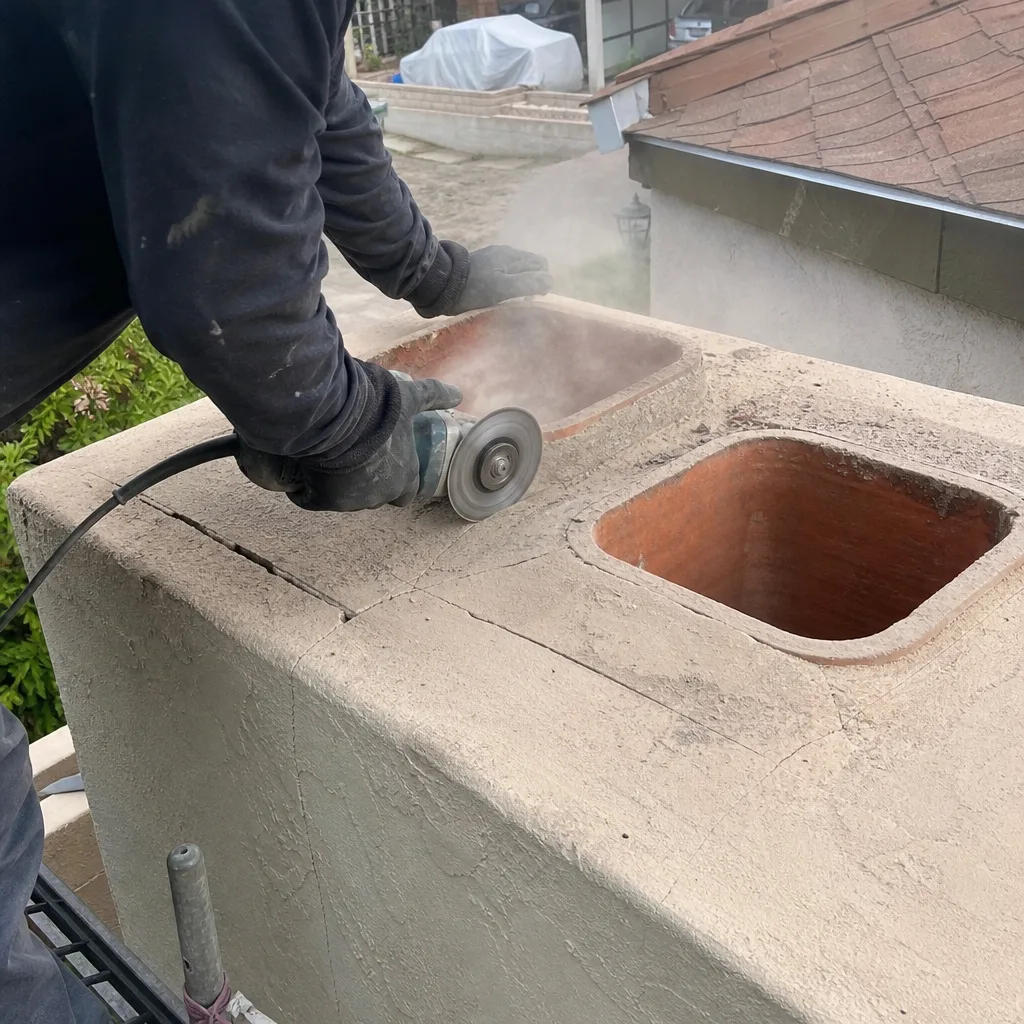
Call a professional when documentation matters: before listing your home, after any insurance claim or policy change, when your policy specifically requires professional maintenance, or when any gas appliance shares the flue. Not sure where to start? Our How to Hire a Chimney Cleaning Contractor in Long Beach: A Step-by-Step Guide walks you through the process. Call when safety factors accumulate: flue age over 25 years, known earthquake damage, prior chimney fire, or any smoke or carbon monoxide alarm event. Call when you can’t see what the brush touched - which is most of the chimney in most homes.
Emberly Chimney Cleaners Long Beach offers free estimates in Long Beach. Every estimate includes a written price, written scope, and written warranty before any work begins - Haven Standard Clause 1. Call (424) 401-5585 to schedule, or visit our Fireplace Services in Long Beach page for additional service details.
Frequently Asked Questions
NFPA 211 Level 1 cleaning and basic inspection typically runs $189-$249, while Level 2 inspection with camera scan ranges from $289-$349 for standard masonry fireplaces. Gas inserts, pellet stoves, and complex configurations generally fall between $329-$429. Emberly Chimney Cleaners Long Beach delivers a written price before any work starts on every job - no exceptions. Call (424) 401-5585 for an exact quote; estimates are free.
More frequent cleaning doesn’t repair a cracked, spalled, or improperly sized liner. The liner’s job is to contain combustion byproducts and protect surrounding structure; if it’s compromised, cleaning the flue surface doesn’t restore that protection. We recommend a camera inspection to assess liner condition before deciding. If a competitor has recommended liner replacement, our Free Second Opinion on Any Written Estimate applies - bring us their written quote.
The NFPA 211 standard calls for annual inspection, with cleaning frequency determined by use and fuel type. Wood-burning fireplaces used regularly should be cleaned when creosote reaches 1/8 inch thickness, typically annually. Gas appliances need annual inspection but often less frequent cleaning. Coastal salt air and moisture make annual professional inspection particularly advisable in Long Beach’s marine climate, even for lightly used systems.
Progressive creosote accumulation increases chimney fire risk - not dramatically in a single year, but meaningfully over 3-5 years of neglect. More commonly, undetected liner deterioration, crown damage, or water intrusion causes structural damage that becomes expensive to repair. In Long Beach’s coastal environment, moisture intrusion without annual inspection can destroy a chimney crown and upper flue sections within 2-3 years. The documentation gap also grows, creating insurance and real estate complications when you eventually need to sell or file a claim.
Chimney cleaning logs contain chemicals that loosen or modify creosote deposits, making them somewhat easier to remove. They do not remove creosote, do not inspect liner condition, and do not satisfy any insurance or real estate documentation requirement. We occasionally see homeowners in Long Beach use them as a supplement between professional cleanings, which is reasonable; using them as a replacement is not. For more guides & resources on chimney maintenance, explore our blog.
Coverage depends on your specific policy language and whether your maintenance record satisfies the insurer’s requirements. Policies with “professional maintenance” or “qualified technician” clauses may deny or reduce claims based on DIY-only maintenance. Even without such clauses, insurers may argue that undetected conditions constitute gradual deterioration (typically excluded) rather than sudden damage (typically covered). The safest approach is to maintain professional inspection records, even if you perform interim cleaning yourself. Call (424) 401-5585 to discuss documentation options.
The Bottom Line
The DIY versus professional chimney cleaning question resolves differently depending on what you value. If you want the lowest cash outlay and accept the documentation gap, DIY cleaning of a simple, newer fireplace is mechanically feasible. If you need insurance-defensible records, real estate transaction documentation, or assessment of conditions you cannot see, professional service with camera inspection is the only path. For most Long Beach homeowners - particularly those with older homes, gas appliances, or any plans to sell in the next five years - the hybrid approach makes sense: professional Level 2 inspection every 1-3 years with documented photo record, supplemented by careful homeowner maintenance between visits. The cost difference is modest; the documentation difference is decisive.
Written by Corrine Halstead, Owner at Emberly Chimney Cleaners Long Beach, serving Long Beach since 2009.