
Last updated September 22, 2026
Level 1 sweep and inspection to the NFPA 211 annual standard - flue, crown, cap, and flashing checked and photographed
Chimney sweep logs do not sweep chimneys. They loosen some creosote - which then falls where a brush and vacuum still have to collect it.
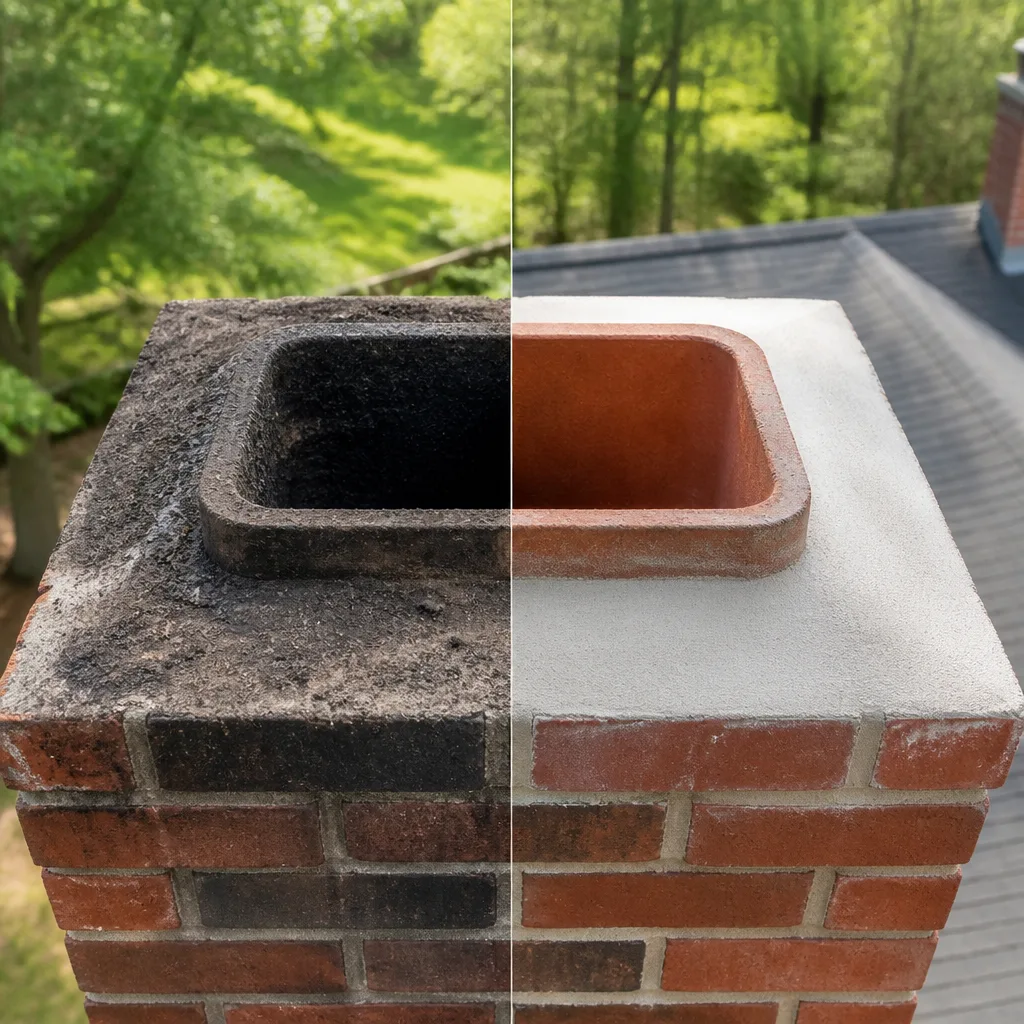
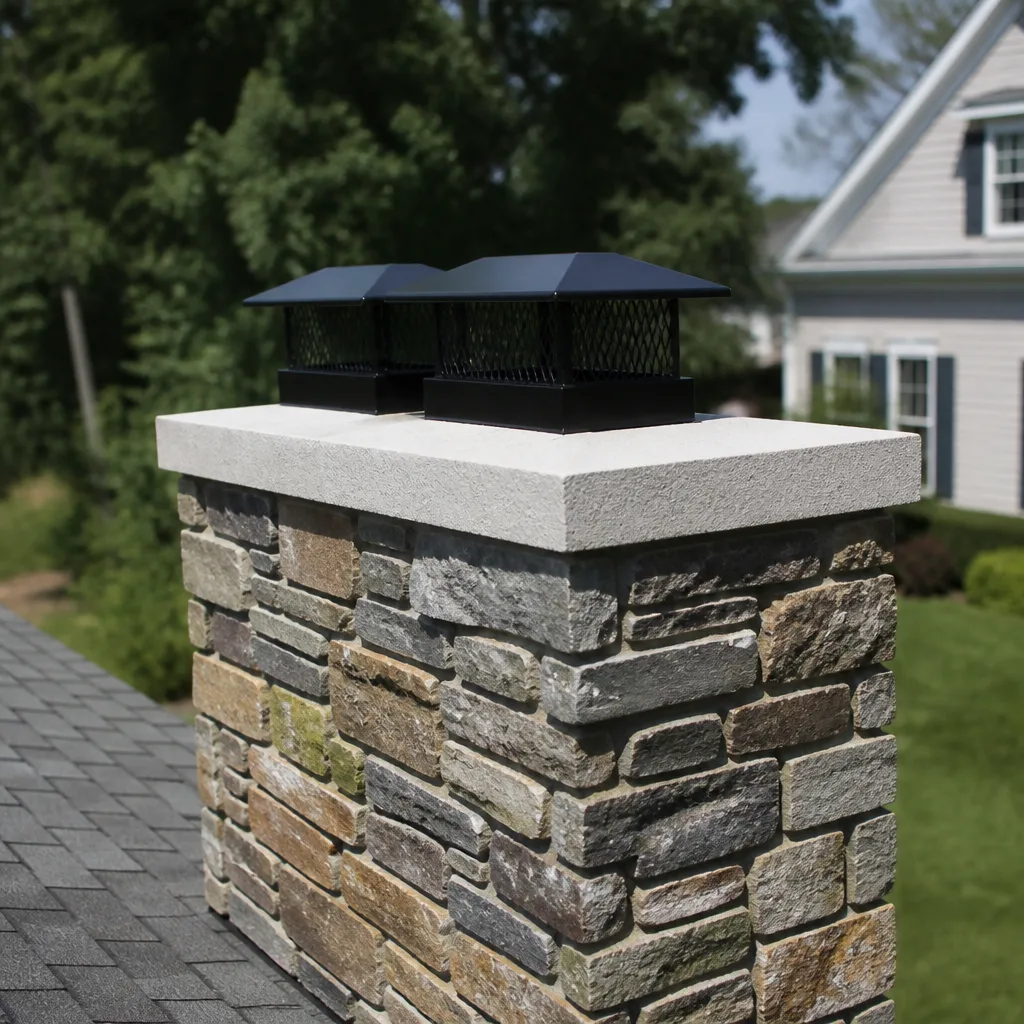
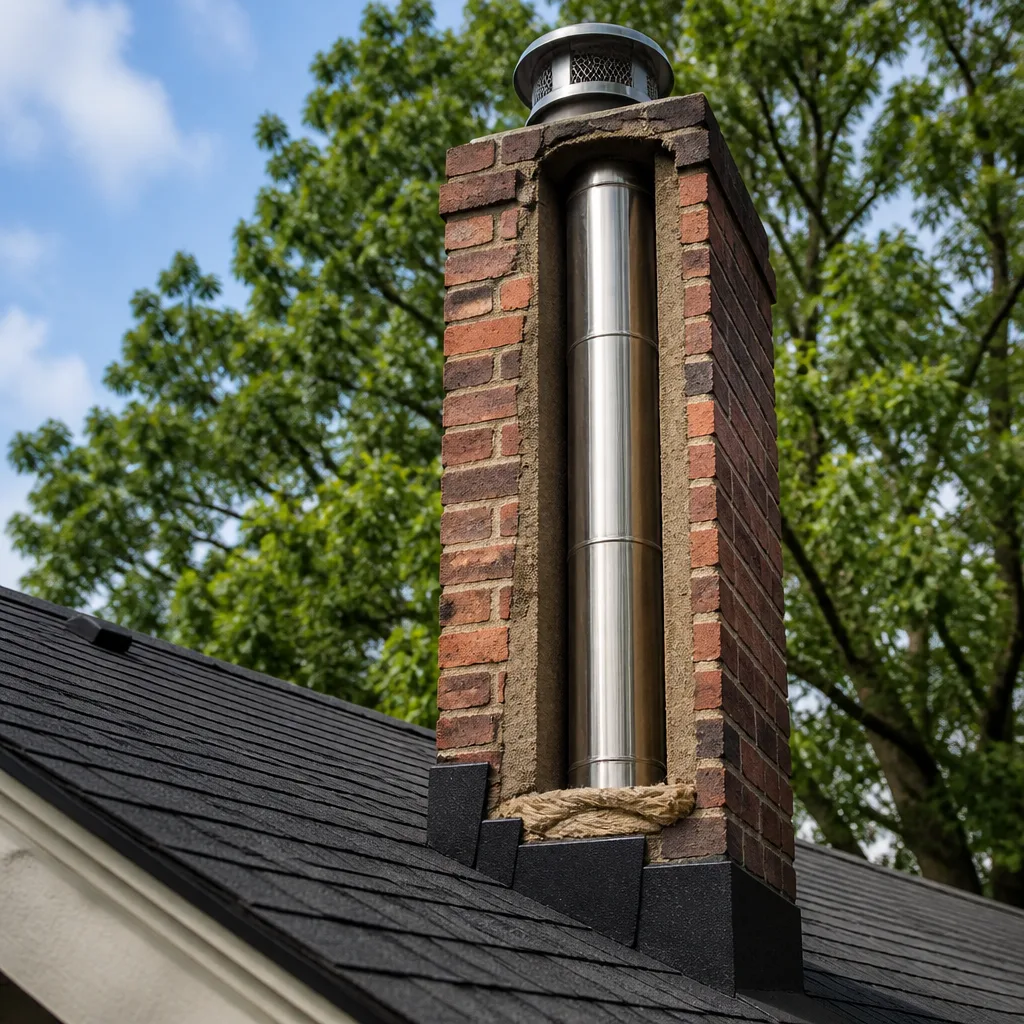
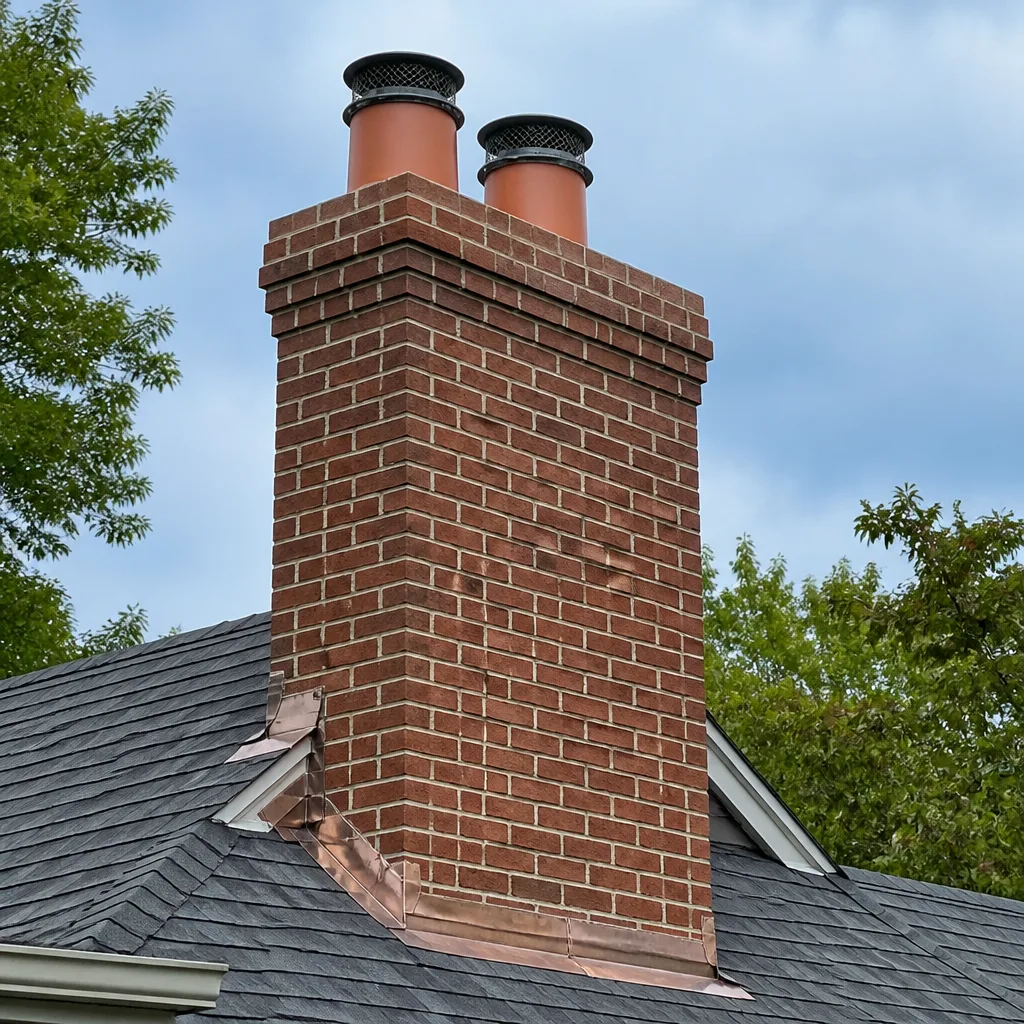
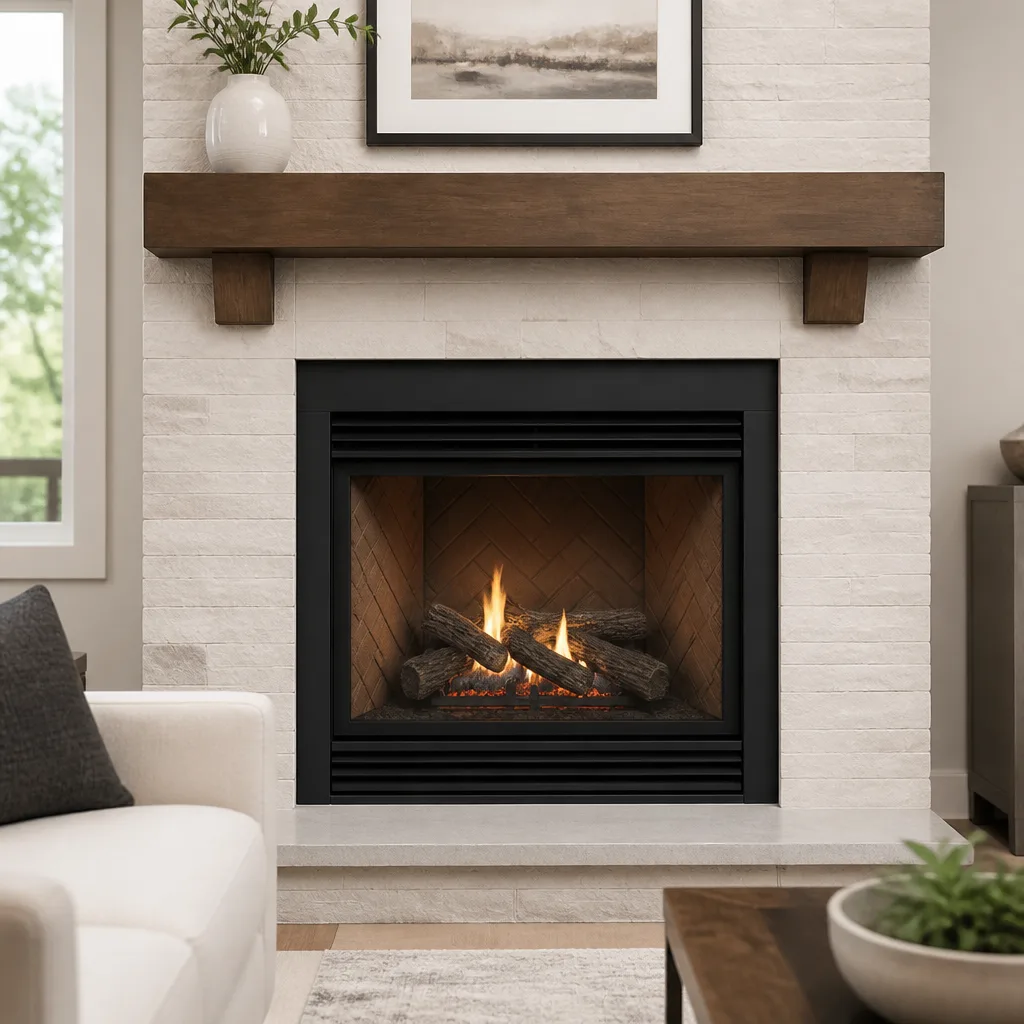
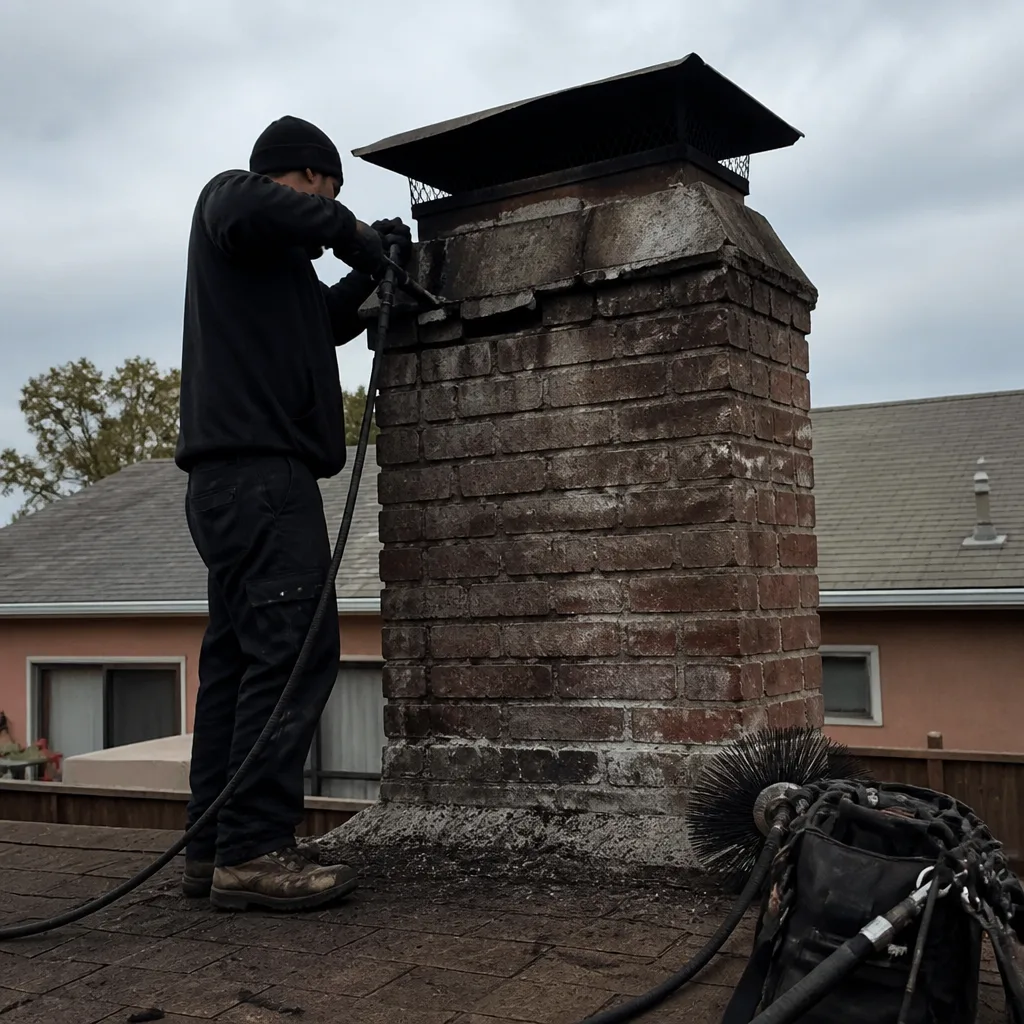 Before
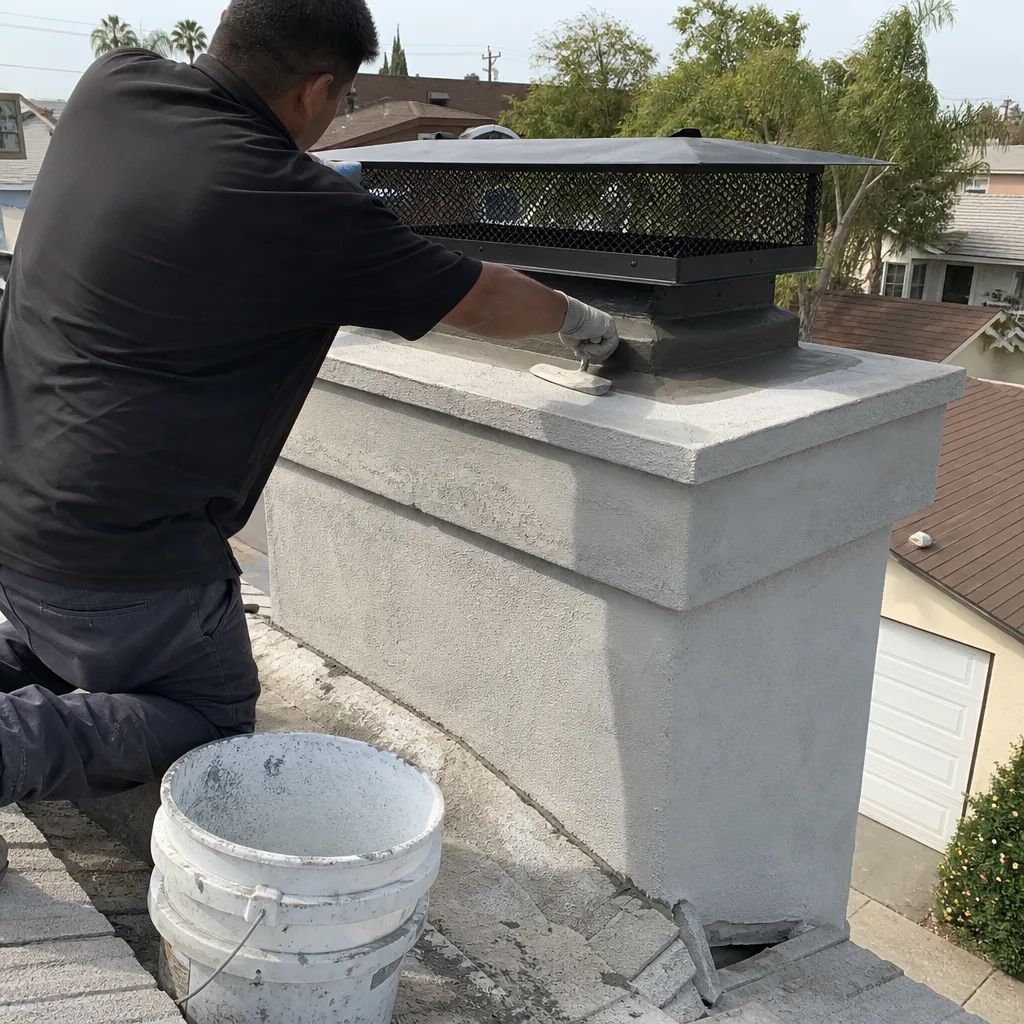 After
After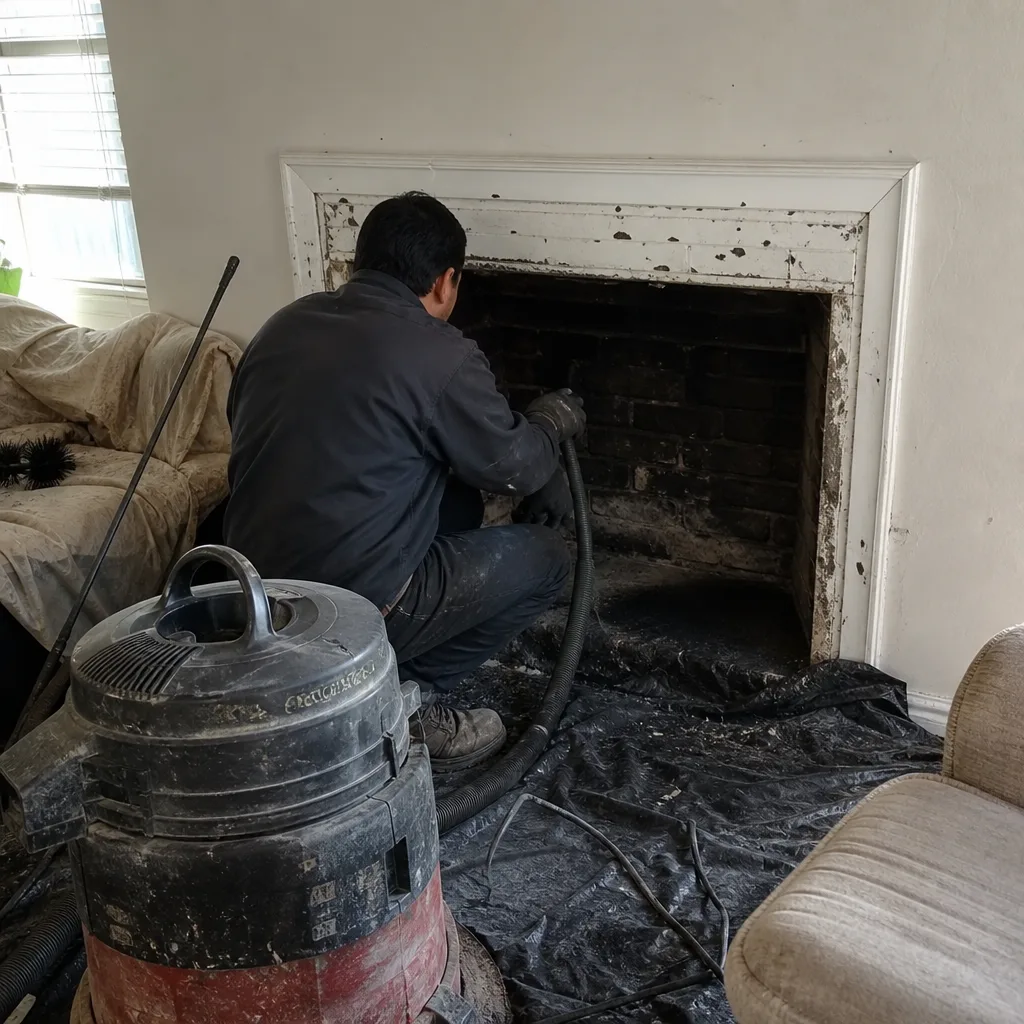 Before
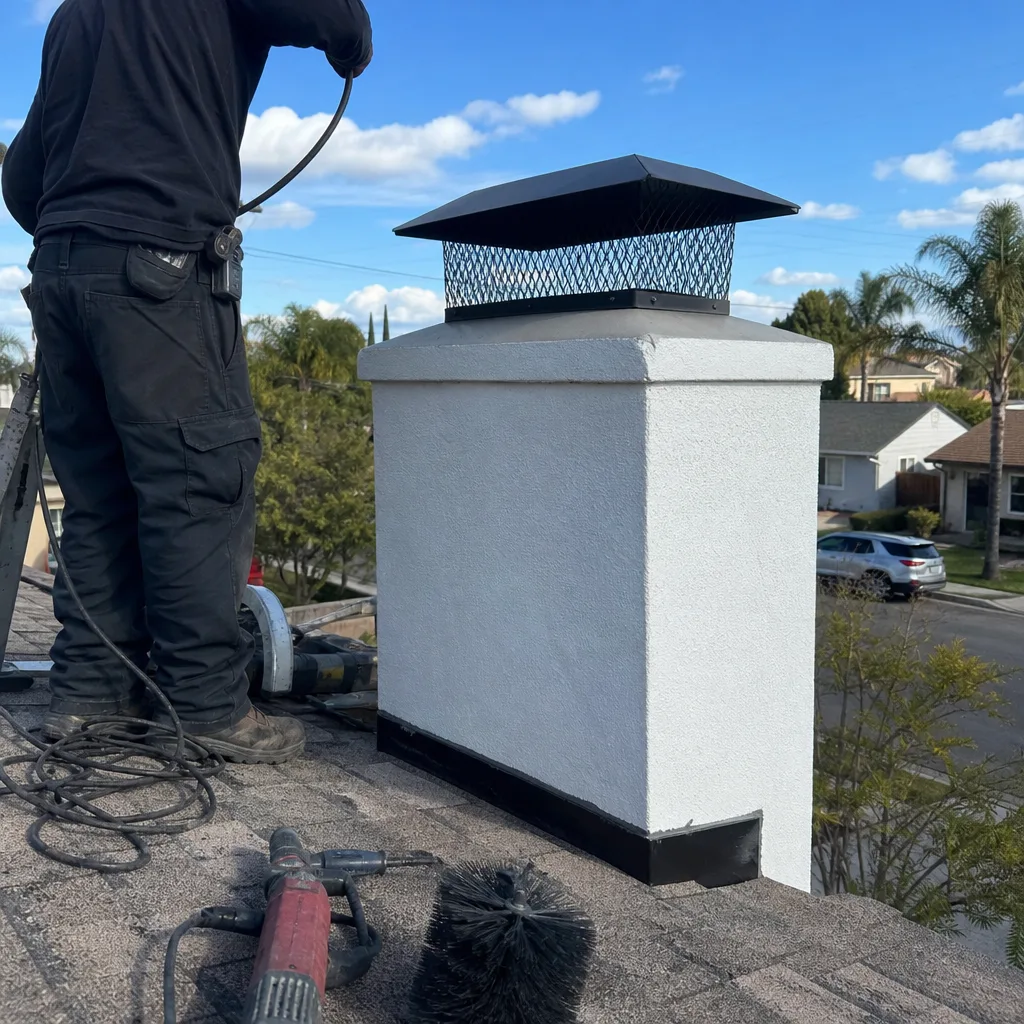 After
After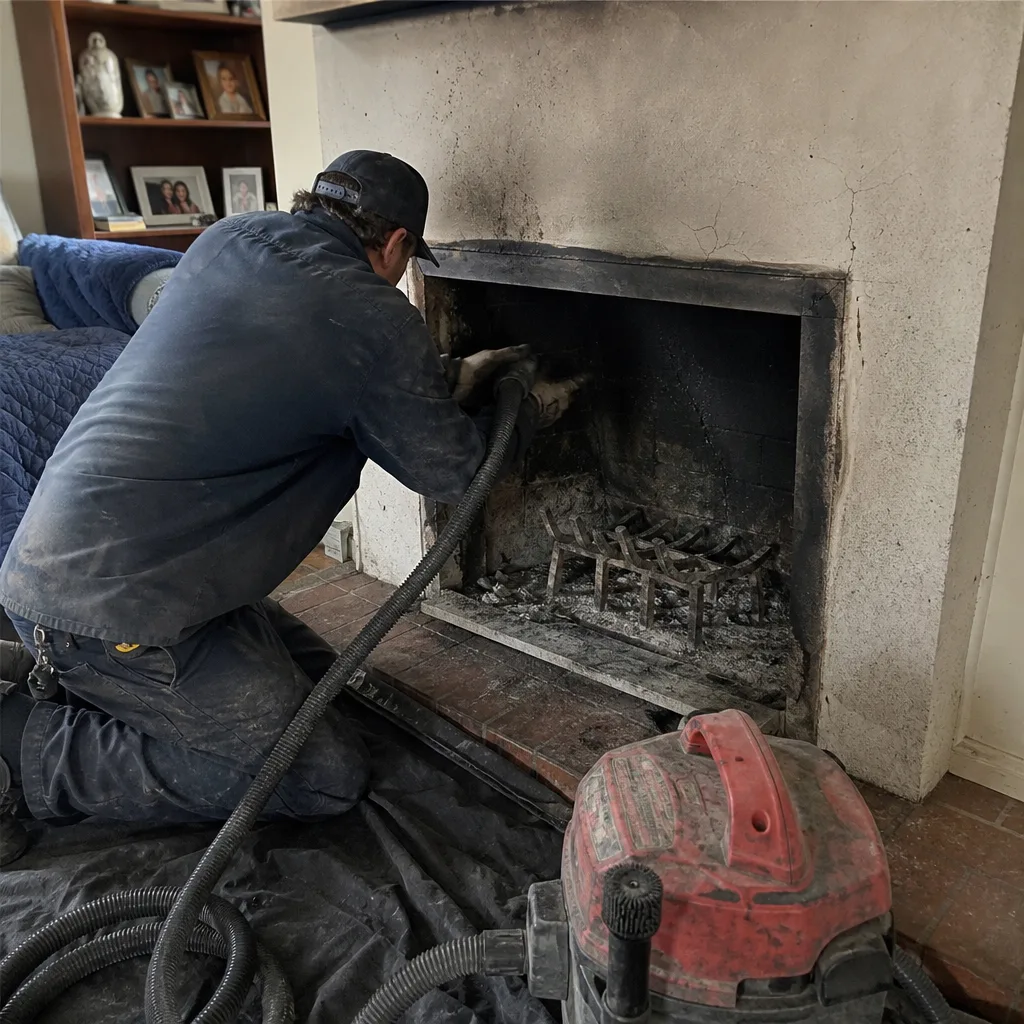 Before
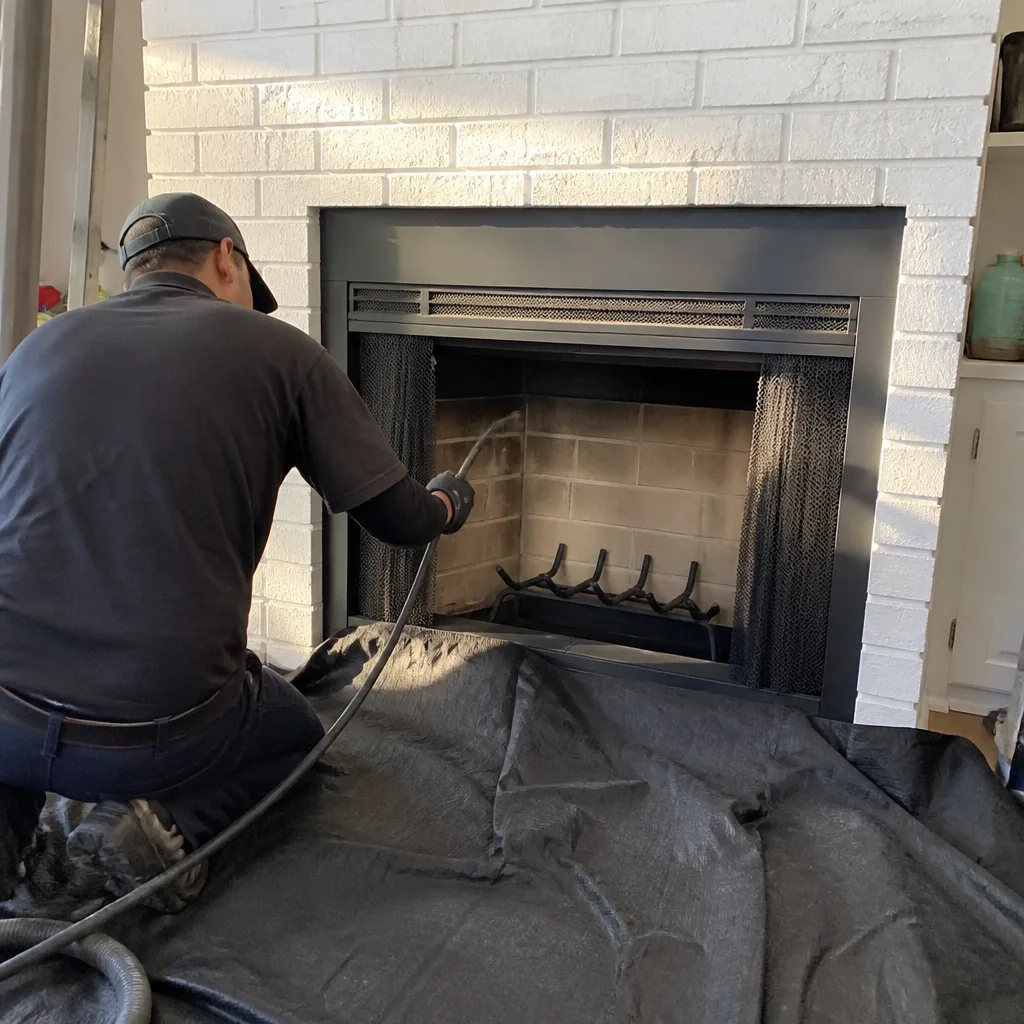 After
AfterSeasonal Chimney Cleaning Care for Long Beach: Year-Round Homeowner’s Guide
Long Beach averages fewer than 20 days a year cold enough to prompt a fireplace fire - but those infrequent, short burns at low temperatures produce disproportionately high creosote deposits compared to homes that burn wood regularly. The chimney that looks unused is often the one that needs cleaning most. In this guide, you’ll learn why our mild coastal climate creates unique chimney maintenance challenges, which months actually matter for scheduling work in Long Beach, and how to build a seasonal record that protects your home and satisfies your insurer. We’ve inspected over 38,000 chimneys since 2009, and the pattern is consistent: the low-use Long Beach flue is a hidden maintenance liability.
Quick Answer
Long Beach homeowners should schedule chimney cleaning in late August before the marine layer thins, inspect for coastal corrosion each June, and document gas insert pilot function before first fall use. Because infrequent low-temperature burns produce more creosote than regular hot fires, year-round attention matters more than a single pre-winter sweep. A proper seasonal cycle includes one NFPA 211 Level 2 inspection with camera documentation annually, plus targeted summer maintenance for salt-air deterioration - see our Chimney Cleaning Permits, Codes & Inspections in CA for regulatory context.
Table of Contents
- Why Low-Use Burns Produce More Creosote Than Regular Fires
- The Long Beach Maintenance Calendar: Month by Month
- Summer Coastal Damage: What the Marine Layer Hides
- Gas Inserts: The Forgotten Summer Problem
- Building Your Seasonal Documentation Record
- What a Proper Inspection Finds in Long Beach Homes
- Common Mistakes to Avoid
- When to Call a Professional
- Frequently Asked Questions
 Before
 After
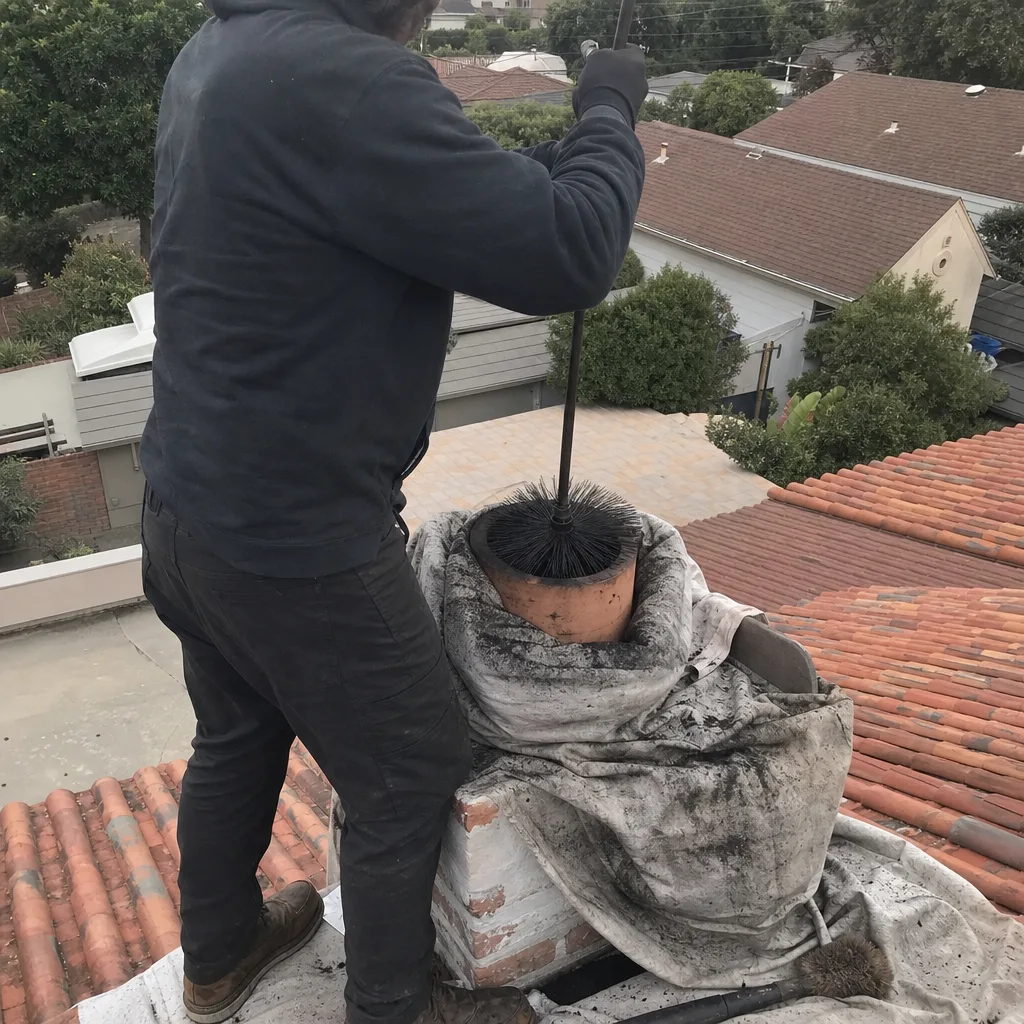
AfterWhy Low-Use Burns Produce More Creosote Than Regular Fires
The physics of incomplete combustion don’t care about your zip code, but your zip code controls how often you burn and how hot your fire gets. In Long Beach, where January lows average 47°F and most “cold” evenings barely dip below 55°F, homeowners light small fires for short periods, then let the flue cool completely before the next use.
Here’s what happens inside the flue. Wood burns in three stages: moisture evaporation, volatile gas release, and charcoal combustion. Creosote forms when stage-two gases (the smoky part) encounter surfaces below 250°F and condense. A hot, sustained fire keeps flue temperatures above this condensation threshold, pushing gases out the top before they can stick. A short, decorative fire in a Long Beach living room never achieves this. The flue walls stay cool, gases condense throughout the system, and the result is a heavy, flaky Class I or tarry Class II creosote deposit from surprisingly few burns.
We’ve documented this pattern repeatedly in neighborhoods from Belmont Shore to Bixby Knolls. A homeowner who burns twice a month for two hours each time often presents more creosote than a Minnesota homeowner who burns daily. The Minnesota flue runs hot enough to stay clean. The Long Beach flue never does.
The danger isn’t just volume. It’s location. Low-temperature fires produce creosote higher in the flue, near the cooler top, where it’s harder to reach and easier to miss during a superficial cleaning. This is why Chimney Cleaning & Sweep in Long Beach requires camera verification - a flashlight look from below won’t reveal deposits above the smoke shelf.
Key implications for your maintenance calendar:
- Infrequent burning does not mean infrequent cleaning
- Short fires produce more creosote per hour than long fires
- Class II creosote (sticky, tar-like) is common in low-use flues and requires mechanical removal, not brushing alone
- Camera documentation is essential to locate deposits in the upper flue
The Long Beach Maintenance Calendar: Month by Month
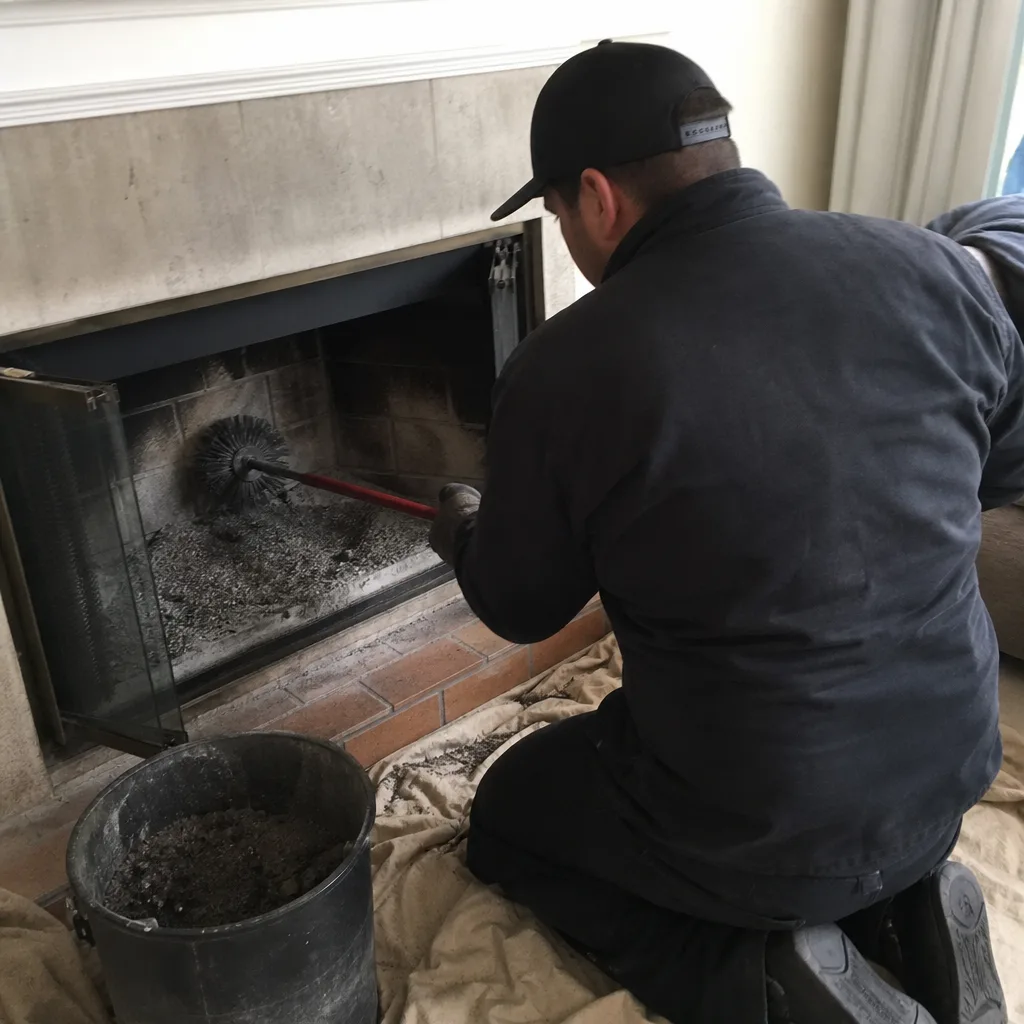
Traditional chimney advice says “clean before winter.” In Long Beach, this is backwards. Our burning season runs December through February, sometimes into March during a late marine layer year. Scheduling a sweep in October or November puts you in the busiest queue with every other homeowner who read the same generic article. More importantly, it misses the actual deterioration cycle that coastal chimneys experience.
Here’s the calendar we recommend based on 15 years of local data:
January-February: Mid-Season Check (If You Burn Regularly)
If you’ve had more than 12 fires since your last cleaning, schedule a mid-season inspection. This is rare in Long Beach, but Belmont Heights and Naples Island homeowners with older masonry fireplaces sometimes burn more than average. We look for accelerated creosote buildup and check that the damper is sealing properly after repeated thermal cycling. A documented mid-season photo gives you a baseline for next year’s comparison.
March-April: Post-Season Documentation
After your last fire, schedule the annual NFPA 211 Level 2 inspection. This is when creosote is fully cooled and hardened, making removal most effective. The camera scan documents the flue condition at season’s end, and any repair recommendations come with months of lead time before next winter. This is also when we find the most spalling brick and deteriorated mortar - freeze-thaw damage is minimal here, but thermal shock from rapid cooling after a fire is real.
May-June: Coastal Corrosion Inspection
The marine layer peaks in May and June, depositing salt on every exposed metal surface. This is when we inspect chimney caps, spark arrestor screens, chase covers on prefab units, and gas log burner ports. Olympia Chimney stainless caps hold up well in this environment, but even 304-grade steel shows surface oxidation after several coastal seasons. We document corrosion with photos and recommend replacement before the screen holes enlarge enough for squirrel entry. June is also post-nesting season; we frequently find partially built bird nests in cap corners that would have been complete obstructions by September.
July-August: Pre-Season Preparation
Late August is the optimal booking window for Long Beach. The marine layer begins to thin, homeowners start thinking about fall, and our schedule still has flexibility. More importantly, humidity drops in late summer, which matters for two reasons: crown sealant application requires 24 hours of dry curing, and moisture meters on masonry give accurate readings only when ambient humidity is stable. We complete any crown sealing, tuckpointing, or cap replacement now so materials cure properly before the first fall rain.
September-October: Gas Insert and Pilot Service
Before the first thermostat-driven evening, test every gas insert function. The thermocouple - the safety sensor that confirms flame presence - can weaken during months of disuse. Spider webs in the burner orifice are common in Long Beach’s dry late summer. We perform a documented pilot light test, measure thermocouple output in millivolts, and verify that the oxygen depletion sensor responds correctly. This check takes 20 minutes and prevents the “pilot won’t stay lit” service call that peaks every October.
November-December: Final Verification
If you skipped earlier months, this is your last window. Demand is highest, pricing is unchanged (we don’t surge), but availability shrinks. We recommend booking by October 15 for November appointments.
Summer Coastal Damage: What the Marine Layer Hides
Long Beach’s summer weather is pleasant for humans and quietly destructive for chimneys. The marine layer brings nightly humidity above 80% from May through July, often condensing on metal surfaces that heated to 120°F+ the previous winter. This daily thermal cycle - hot, then cool and damp - accelerates corrosion faster than steady rain.
Specific components we inspect during summer maintenance:
- Chimney cap and screen. We measure mesh opening dimensions against manufacturer spec. A 3/4-inch spark arrestor screen that has corroded to 1-inch openings fails code and admits animals. Famco and Copperfield replacement screens in 316 marine-grade stainless resist this longer than standard 304, and we source through our Haven buying network to keep the price honest.
- Crown sealant integrity. The concrete crown sheds water from the flue perimeter. In coastal environments, sealant degrades in 3-5 years, not the 7-10 expected inland. We check for hairline cracks with magnification and apply elastomeric crown sealant only when the 3-day forecast shows no fog below 1,000 feet - a condition that occurs reliably in late August and September.
- Flashing and cricket. The saddle or cricket behind the chimney diverts water around it. Salt corrosion at the counter-flashing seam is common in Long Beach’s Ocean Boulevard and Bluff Park homes, where onshore wind is strongest. We separate the seam, inspect for wood rot beneath, and reseal with polyurethane sealant rated for coastal UV exposure.
- Smoke chamber and firebox. Summer humidity reactivates residual soot acids. We inspect for parging (the smooth mortar coating inside the smoke chamber) that has bubbled or detached. This is invisible from below and requires camera access through the damper.
The marine layer also creates a false sense of security. A chimney that looks fine from the street can have advanced internal corrosion. We’ve opened flues in August that were structurally sound in March but showed significant rust staining on stainless steel liners after five months of nightly condensation. The camera finds what the eye cannot.
Gas Inserts: The Forgotten Summer Problem
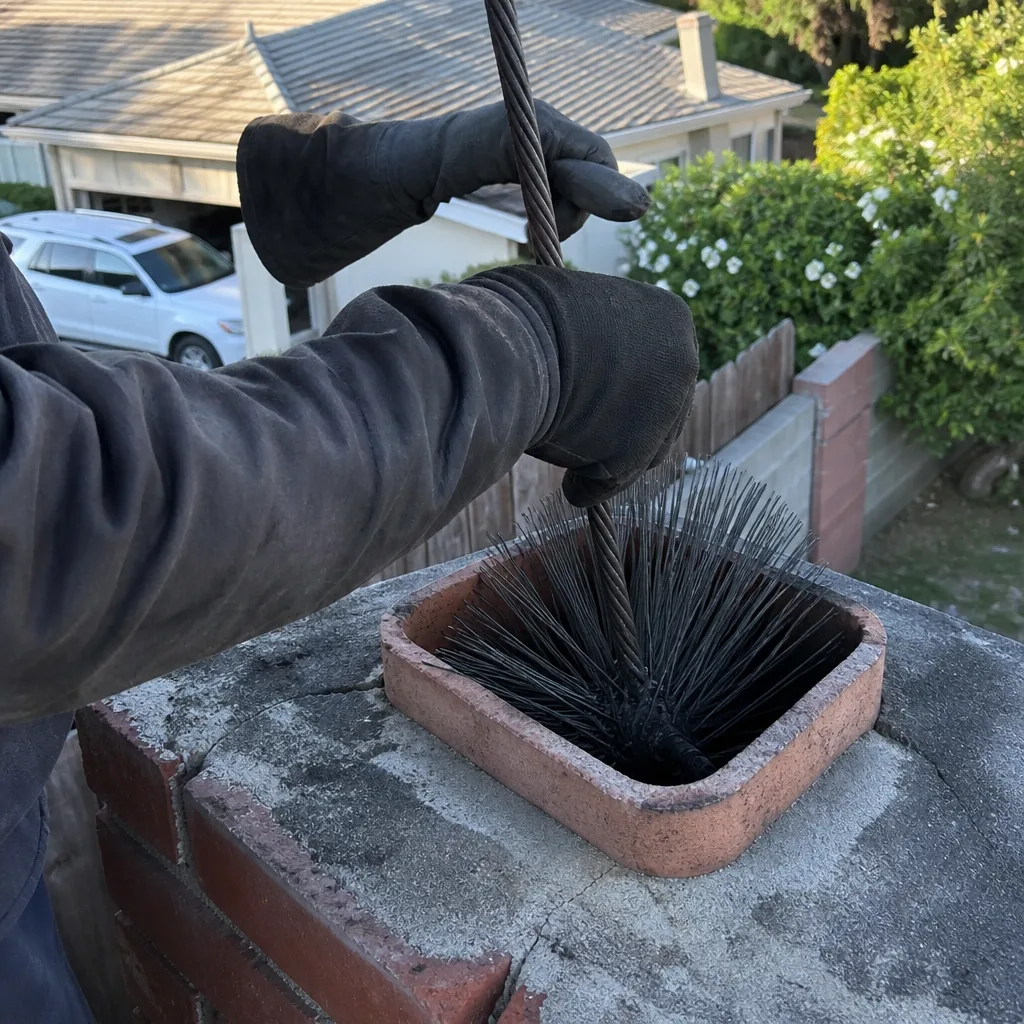
Gas fireplace inserts dominate new construction in Long Beach, from the condos in Alamitos Beach to the townhomes of Signal Hill. Homeowners assume gas means maintenance-free. The opposite is true in our climate, where months of disuse create specific failure modes.
During summer, the pilot light is typically off. Dust accumulates on the burner ports. Spider webs - particularly from the common Southern California black widow, which favors warm, undisturbed enclosures - obstruct the orifice. More critically, the thermocouple ages in place. This copper-nickel junction generates 25-35 millivolts when heated by the pilot flame, holding the gas valve open. After 3-5 years of thermal cycling, output degrades. A thermocouple that generated 28 mV last October may produce 18 mV this October, below the 20 mV threshold most valves require. The pilot lights, then drops out after 30 seconds. The homeowner calls in November, when every service company is overloaded.
Our pre-season gas insert check includes:
- Pilot flame pattern inspection - a lazy yellow flame indicates orifice obstruction or low gas pressure
- Thermocouple millivolt measurement under load
- Burner port cleaning with compressed air and soft brush
- Oxygen depletion sensor (ODS) function test - this safety device shuts gas if room oxygen drops below 18%
- Glass gasket inspection for seal integrity
- Documented photo of flame appearance for annual comparison
We perform this service in September, before demand peaks. The documented photo record, required under Clause 4 of the Haven Standard, gives you evidence of proper function if an insurer or home inspector requests it. For vented gas logs in masonry fireplaces, we also verify that the damper block-open clip is intact - a missing clip creates a continuous heat loss path and potential CO risk.
Building Your Seasonal Documentation Record
Documentation is not paperwork for its own sake. In our experience, the homeowner with a three-year file of inspection photos, written scopes, and dated receipts gets faster insurance claim resolution, better resale inspection outcomes, and avoids the “surprise” $4,000 liner recommendation that arrives without context.
Here’s how to build a record that actually protects you:
- Request the photo record. Every Emberly Chimney Cleaners Long Beach home visit includes camera footage and still photos under Haven Standard Clause 4. Save these with the date in the filename. The photo of your flue liner from March 2024 is your baseline to compare against March 2025. Change is easier to spot than absolute condition.
- Keep the written scope and price. Haven Standard Clause 1 requires a written price, written scope, and written warranty before any work starts. This document is your proof of what was agreed, what was found, and what was done. Insurers specifically request this for claims involving chimney-related damage.
- Log fuel type and burn frequency. A simple note: “Burned Duraflame logs, 8 evenings, Dec-Feb” or “Oak from Long Beach exchange, 12 fires, average 3 hours.” This contextualizes creosote findings. Twelve fires with improper fuel produce different deposits than twelve fires with seasoned hardwood.
- Record weather events. Note earthquakes, heavy wind, or unusual marine layer duration. The January 2024 storms that soaked Southern California caused flashing leaks we traced to wind-driven rain, not installation defects. Weather context prevents misdiagnosis.
- File manufacturer documentation. Gas insert manuals specify service intervals. Staple the technician’s service notes to the manual page. This satisfies warranty requirements and proves maintenance for resale.
For Long Beach homeowners in historic districts - Bluff Park, Rose Park, California Heights - documentation serves an additional purpose. Many homes have unlined masonry chimneys original to construction. A photo record showing progressive flue tile deterioration helps you plan for Chimney Repair in Long Beach or liner installation before the situation becomes urgent, and it demonstrates due diligence to preservation boards if exterior work requires approval.
What a Proper Inspection Finds in Long Beach Homes
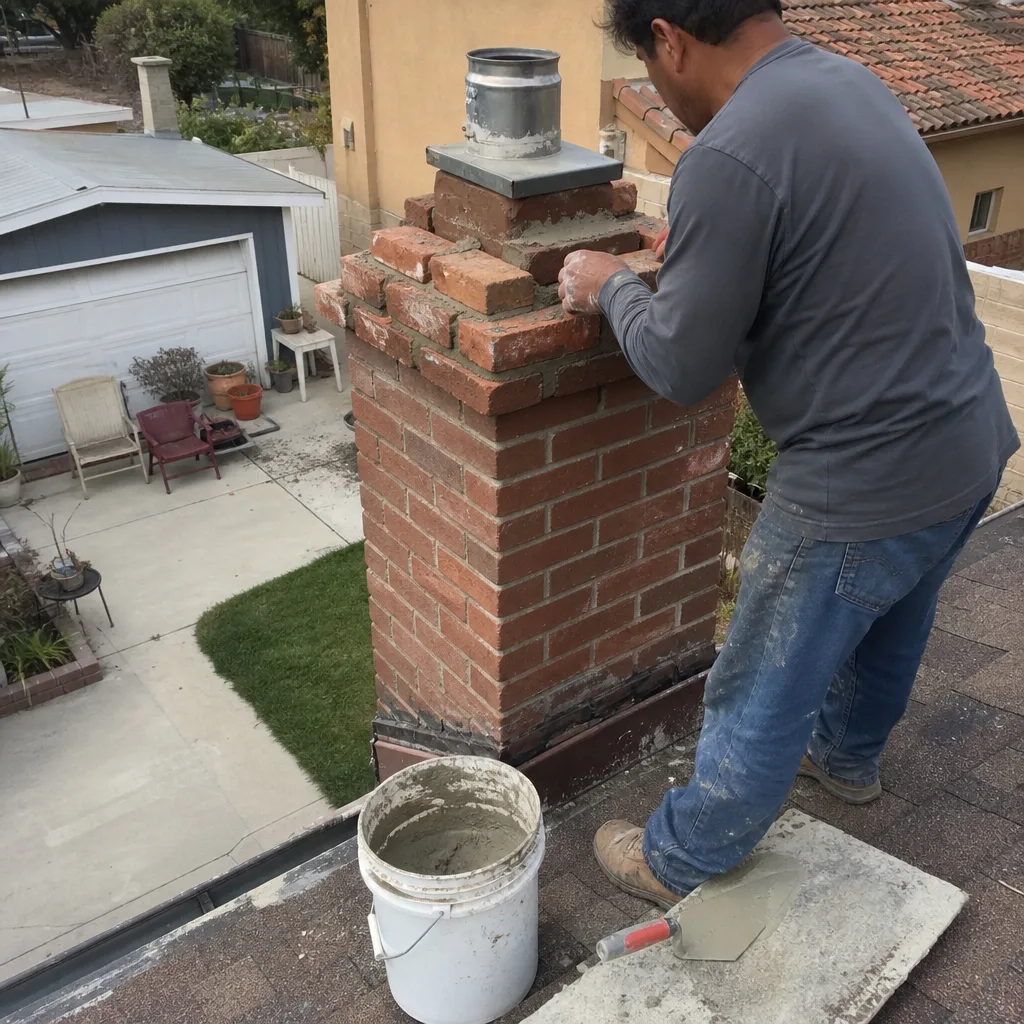
An NFPA 211 Level 2 inspection is not a flashlight and a mirror. It is a camera-scan evaluation of every accessible interior surface, with photo documentation, conducted according to a published standard. In Long Beach’s housing stock - which ranges from 1920s bungalows to 1980s tract homes to recent infill - we find consistent patterns that differ from national averages.
Prefabricated metal chimneys (1980s-2000s): These systems have 25-30 year design lives. We’re now at or past that window for much of Long Beach’s construction. We find chase cover rust-through, deteriorated termination collars, and displaced chimney cap sealant. The chase cover - the metal lid on top of the framed chimney chase - is particularly vulnerable. Factory-built units in coastal zones show chase cover failure at 15-20 years, not 25. Water enters the chase, saturates the framing, and creates concealed damage until the interior ceiling stains appear.
Unlined masonry (pre-1940s): Original construction in Belmont Heights and Alamitos Beach often lacks a flue liner entirely. The exposed brick mortar joints erode from combustion acids, creating gaps where gases and sparks can reach framing. We map these with the camera and recommend Gelco or HeatShield liner systems based on flue dimensions and appliance type. An unlined masonry flue in active use is a code violation and an insurability issue.
Clay tile liners (1940s-1970s): These crack from thermal shock or settle with foundation movement. Long Beach’s mild temperatures reduce thermal shock, but our expansive clay soils create lateral stress. We find vertical cracks at the thimble (where the appliance connects) and spalled tile faces in the first 3 feet above the firebox - the hottest zone. A cracked liner requires repair or replacement; sweeping alone is insufficient.
Stainless steel liners (1990s-present): DuraFlex and similar products perform well but corrode at the top if the cap is missing or damaged. We measure wall thickness with ultrasonic gauges in suspect areas. Pitting from salt exposure reduces liner life by 30-40% in coastal zones versus inland installations.
Every finding is documented with photos, described in plain language on the written scope, and priced before any repair begins. You see what we see. This is the core of the Haven Standard, and it’s been our practice since 2009.
Common Mistakes to Avoid
- Waiting for visible smoke problems. By the time smoke backs up into the room, the flue is severely obstructed or the chimney is actively failing. In Long Beach’s mild climate, homeowners often tolerate minor draft issues that would prompt immediate action elsewhere. Don’t adapt to a problem; document and fix it.
- Assuming gas means no maintenance. Gas inserts require annual inspection of the venting system, burner, and safety controls. The vent pipe - whether B-vent, direct vent, or power vent - can corrode, disconnect, or become obstructed. Carbon monoxide is odorless and invisible; the only protection is verified vent integrity.
- Cleaning only, no inspection. A sweep removes accessible creosote but does not evaluate liner condition, crown integrity, or structural soundness. We combine cleaning with camera inspection because the hidden damage is what costs thousands to repair if missed. Fireplace Services in Long Beach should always include documentation, not just a brushed flue.
- Ignoring summer corrosion. The cap that looks fine in January may have screen corrosion by June. Schedule the summer inspection when the marine layer is active, not when you’re already thinking about fires.
- Accepting verbal estimates. A price given over the phone or on the doorstep changes once work begins. Haven Standard Clause 1 requires written price, scope, and warranty before any work starts. If a company won’t put it in writing, the price isn’t real.
- Using improper fuel. Driftwood from Long Beach beaches, painted lumber, and unseasoned wood from backyard trees produce accelerated creosote and toxic deposits. We can identify fuel-choice problems from the deposit color and texture. Burn only dry, seasoned hardwood or manufactured logs labeled for fireplace use.
- Skipping documentation for “minor” work. Even a cap replacement deserves a photo record. When you sell the home, the buyer’s inspector will ask when the chimney was last serviced. A dated photo with a written scope answers the question definitively.
When to Call a Professional
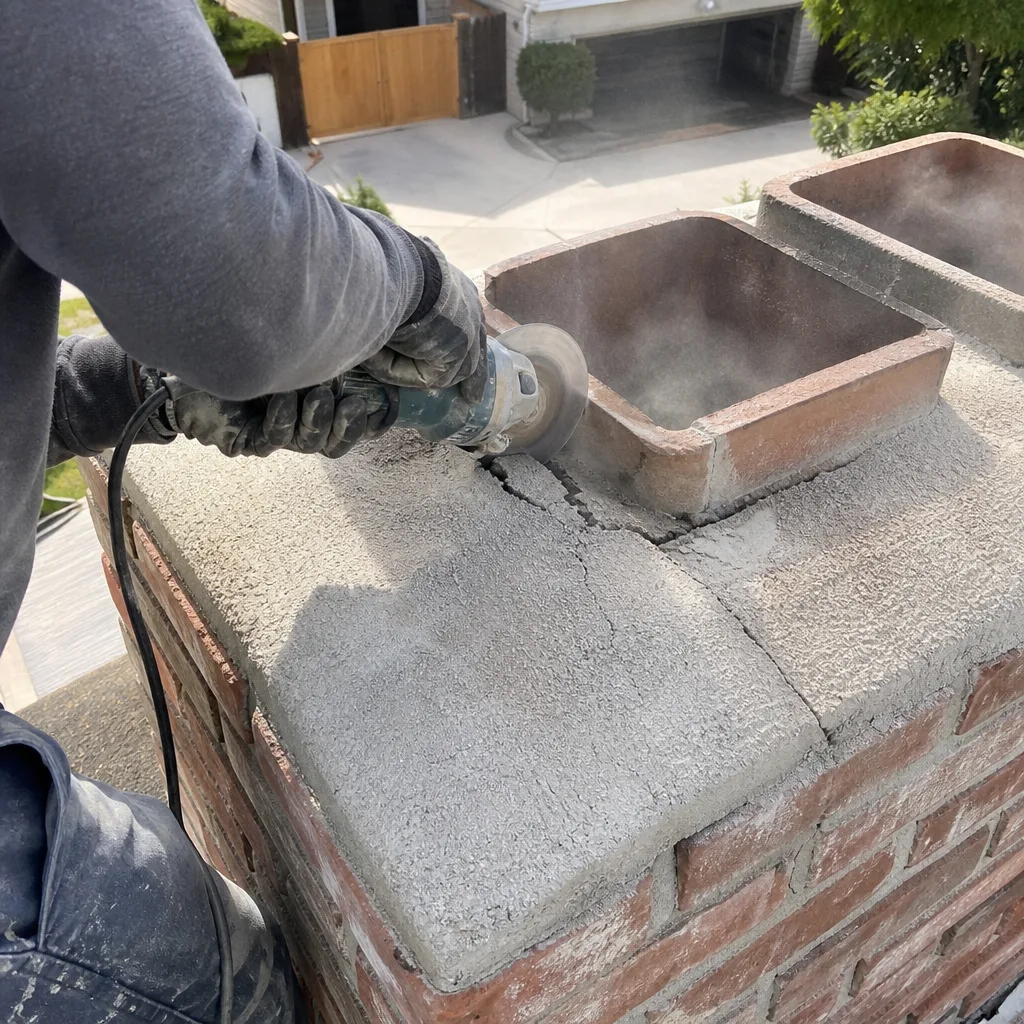
Call for an NFPA 211 Level 2 inspection if you haven’t had camera documentation within 12 months, if you’ve changed appliance type (wood to gas or vice versa), if you’ve noticed any draft change, odor, or moisture staining, or if you’re purchasing a home and the seller cannot produce inspection records. For gas inserts, call before first fall use if the pilot has been off for more than 6 months.
Emberly Chimney Cleaners Long Beach offers free estimates in Long Beach - call (424) 401-5585. Every estimate includes a written price, written scope, and written warranty before any work begins, backed by our 365-Day Done Right Promise. Live phone support runs 24 hours a day, 7 days a week. Corrine Halstead and our background-checked, uniformed technicians serve neighborhoods from Naples to North Long Beach with the same standard: say what was found, show what it costs, document what was done.
Frequently Asked Questions
A complete chimney cleaning with NFPA 211 Level 2 camera inspection in Long Beach typically ranges from $275 to $425 for standard masonry fireplaces, and $325 to $475 for prefabricated metal chimneys or systems requiring additional access - detailed in our Chimney Cleaning Cost Breakdown: The Long Beach Homeowner’s Reference for 2026. Gas insert service with pilot and safety control testing runs $195 to $295. We deliver a written price before any work starts - no exceptions - under Haven Standard Clause 1. Call (424) 401-5585 for an exact quote; estimates are free.
You need a new liner if the existing one is cracked, perforated, or missing entirely - conditions we verify with camera documentation, not opinion. A cracked clay tile or corroded stainless liner cannot be cleaned into safety; it must be repaired or replaced. We show you the camera footage, explain the failure mode in plain terms, and provide a written scope with exact pricing before any liner work begins. If another company recommended a liner replacement, bring us their written estimate for a free second opinion.
Annually, with camera documentation, regardless of apparent use. Long Beach’s low-frequency burn pattern produces disproportionate creosote accumulation, and our coastal climate accelerates metal component corrosion even during months of disuse. The NFPA 211 standard requires annual inspection; in our climate, the inspection matters as much as the cleaning.
Three outcomes, in order of likelihood: progressive creosote accumulation that eventually obstructs the flue and causes smoke backup; corrosion damage to caps, liners, and flashing that allows water intrusion and structural decay; or, least likely but most severe, a chimney fire from ignited creosote deposits. Carbon monoxide infiltration from a deteriorated gas vent system is also possible. The first two are expensive; the third can be fatal. Annual inspection with camera documentation catches all three before they escalate. Call (424) 401-5585 to schedule; estimates are free.
Summer chimney odor in Long Beach is usually creosote deposits activated by humidity and rising temperatures. The marine layer deposits moisture on the flue walls; warm attic air draws that moisture and the associated acids down into the living space. A thorough cleaning removes the source, and a properly fitted cap with intact screen reduces moisture entry. If odor persists after cleaning, we inspect for water intrusion, animal remains, or negative pressure issues in the home’s HVAC system.
You can check visible exterior components - cap presence, obvious flashing gaps, firebox brick condition - from the ground and hearth. You cannot safely evaluate the flue liner, smoke chamber, or upper flue deposits without specialized camera equipment and training. The NFPA 211 Level 2 inspection requires access tools and knowledge of failure modes that develop specifically in concealed spaces. For safety-critical components, documented professional inspection is the appropriate standard. We include the photo record so you see exactly what we found.
The Bottom Line
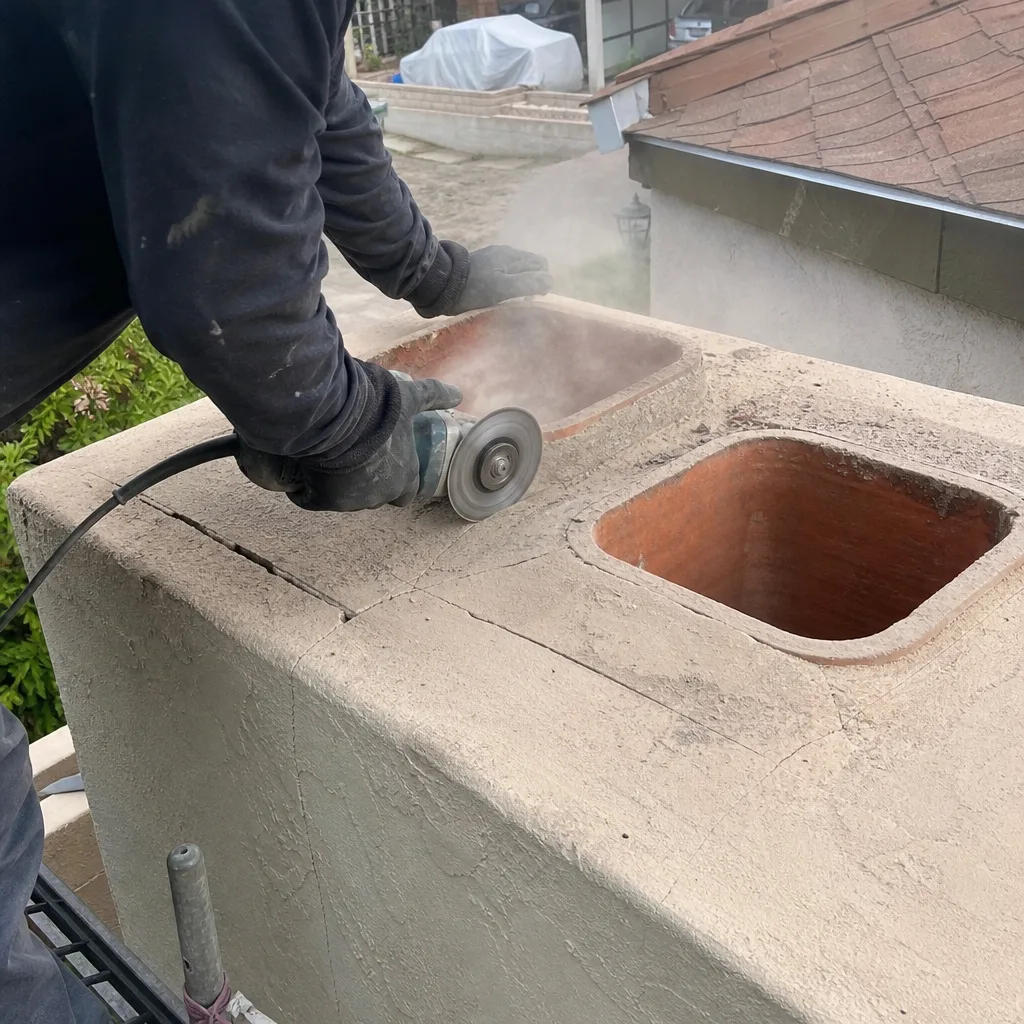
Long Beach’s mild climate creates a chimney maintenance paradox: the less you burn, the more carefully you need to maintain. Infrequent low-temperature fires produce concentrated creosote deposits. Coastal humidity corrodes metal components year-round. Gas inserts deteriorate invisibly during months of disuse. The solution is a seasonally informed maintenance calendar - late summer inspection, mid-summer corrosion check, pre-fall gas service - backed by camera documentation and written records, with more guides & resources available on our blog. We’ve applied this approach to over 38,000 chimneys since 2009, and it works. The chimney that looks unused is often the one that needs attention most.
Ready to build your seasonal record? Call Emberly Chimney Cleaners Long Beach at (424) 401-5585 for a free estimate. We’ll deliver a written price, written scope, and written warranty before any work starts, with camera documentation and a photo record included as standard under Clause 4 of the Haven Standard. Live phone support, 24 hours a day, 7 days a week.
Written by Corrine Halstead, Owner at Emberly Chimney Cleaners Long Beach, serving Long Beach since 2009.