
Last updated September 22, 2026
Level 1 sweep and inspection to the NFPA 211 annual standard - flue, crown, cap, and flashing checked and photographed
Chimney sweep logs do not sweep chimneys. They loosen some creosote - which then falls where a brush and vacuum still have to collect it.
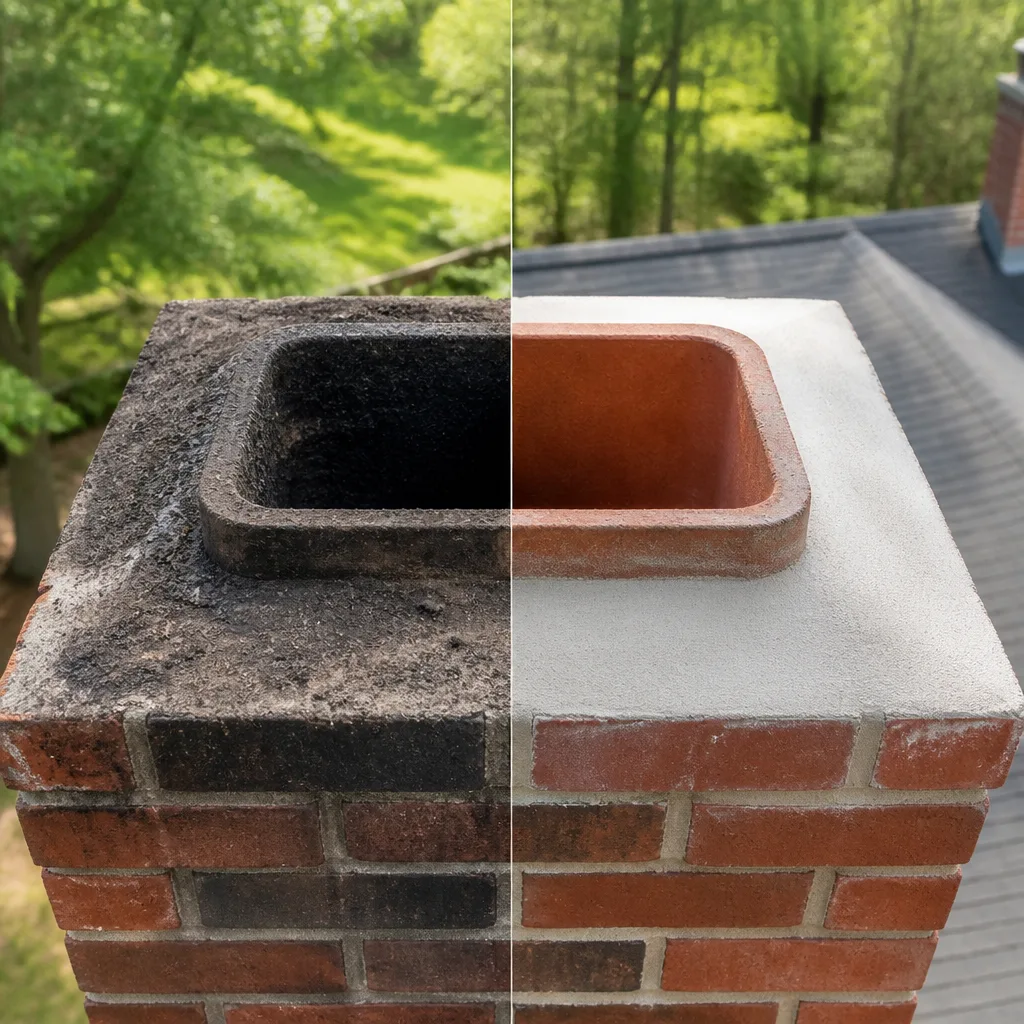
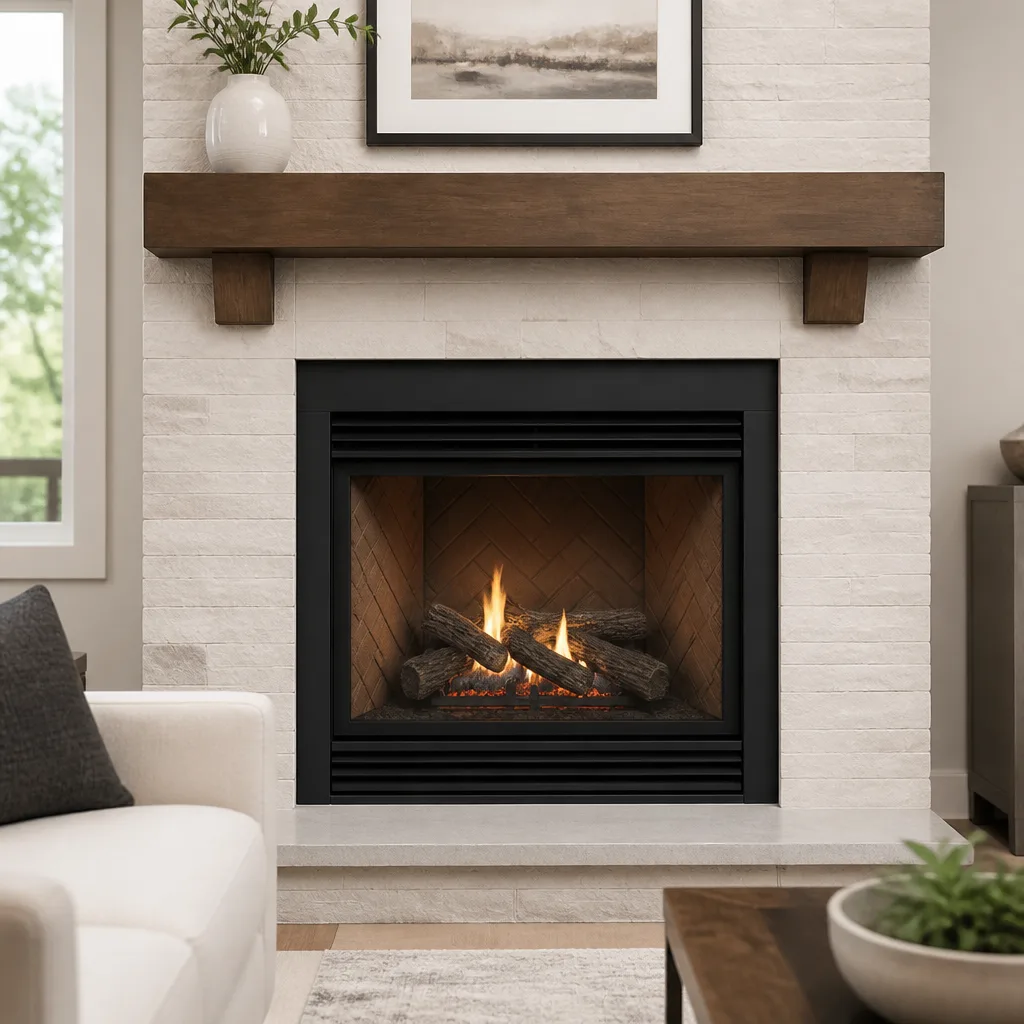
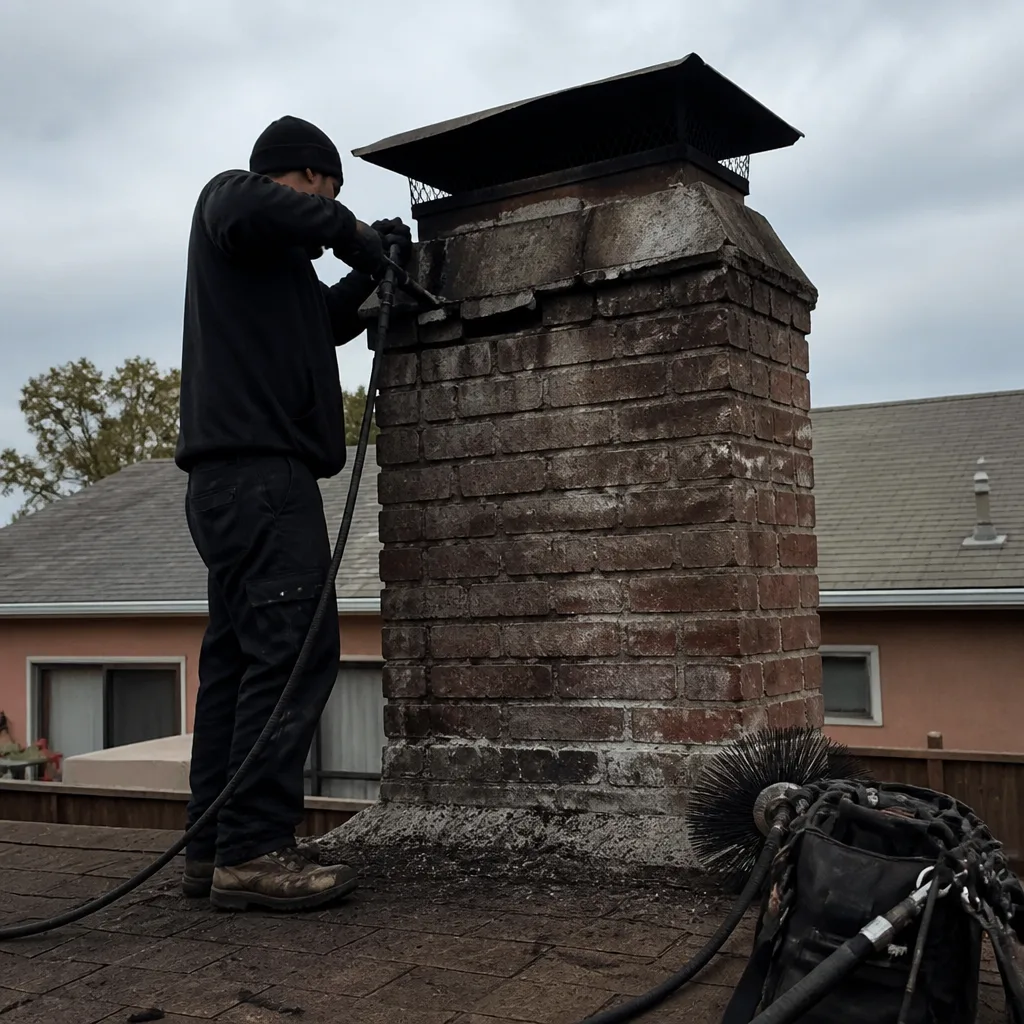 Before
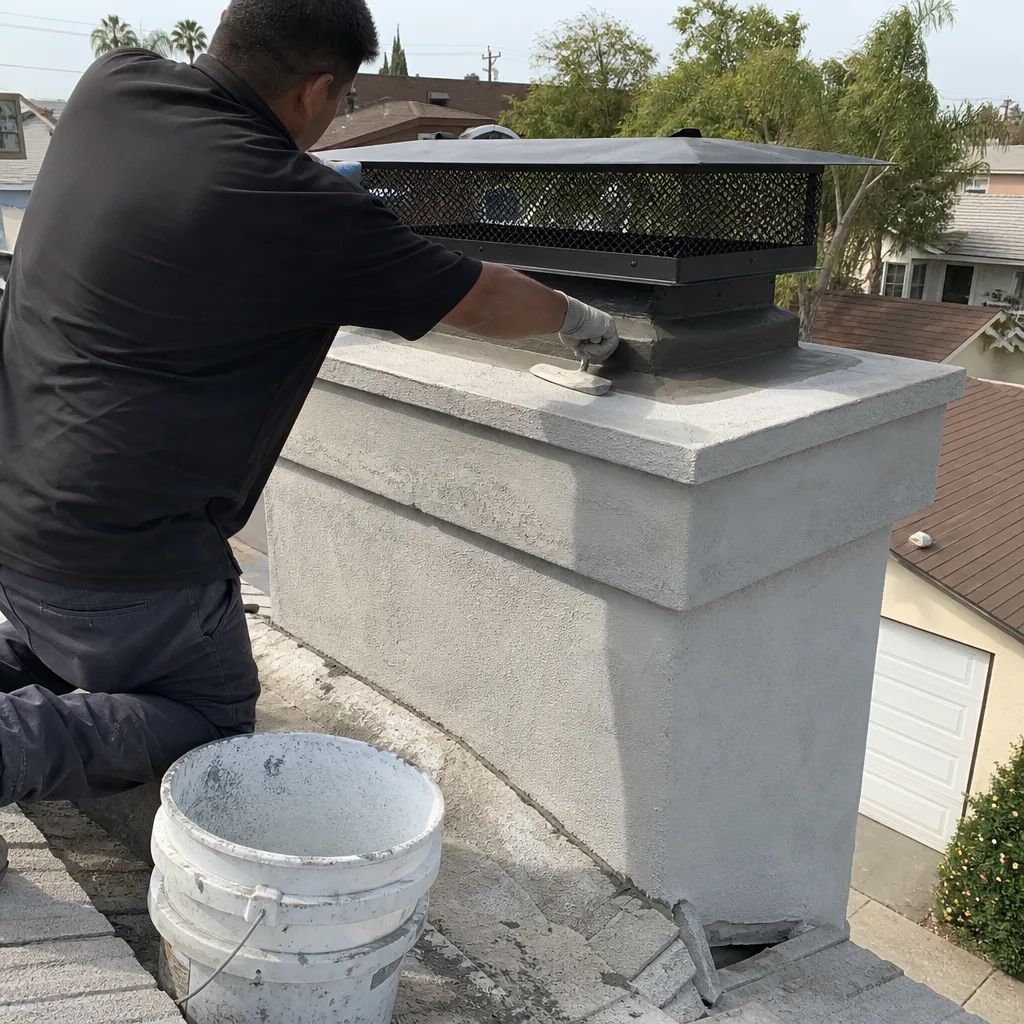 After
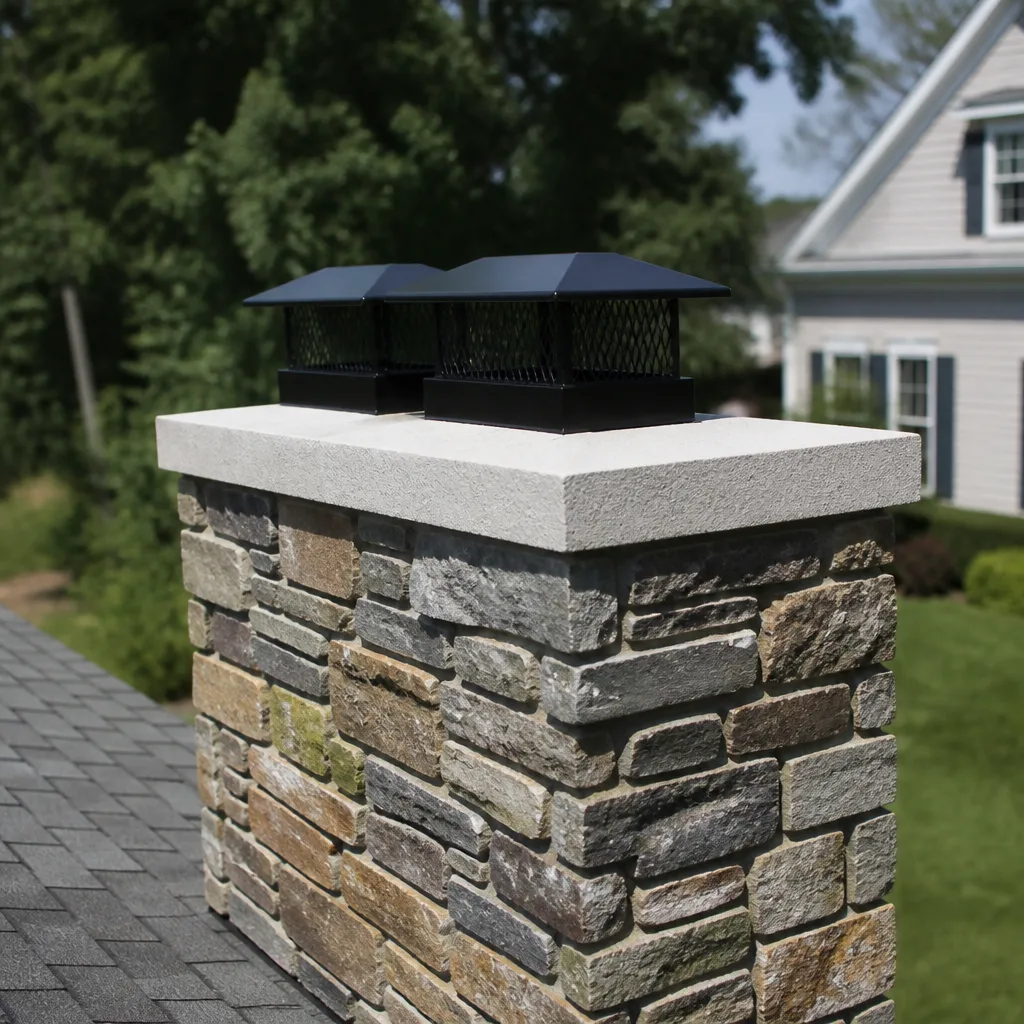
After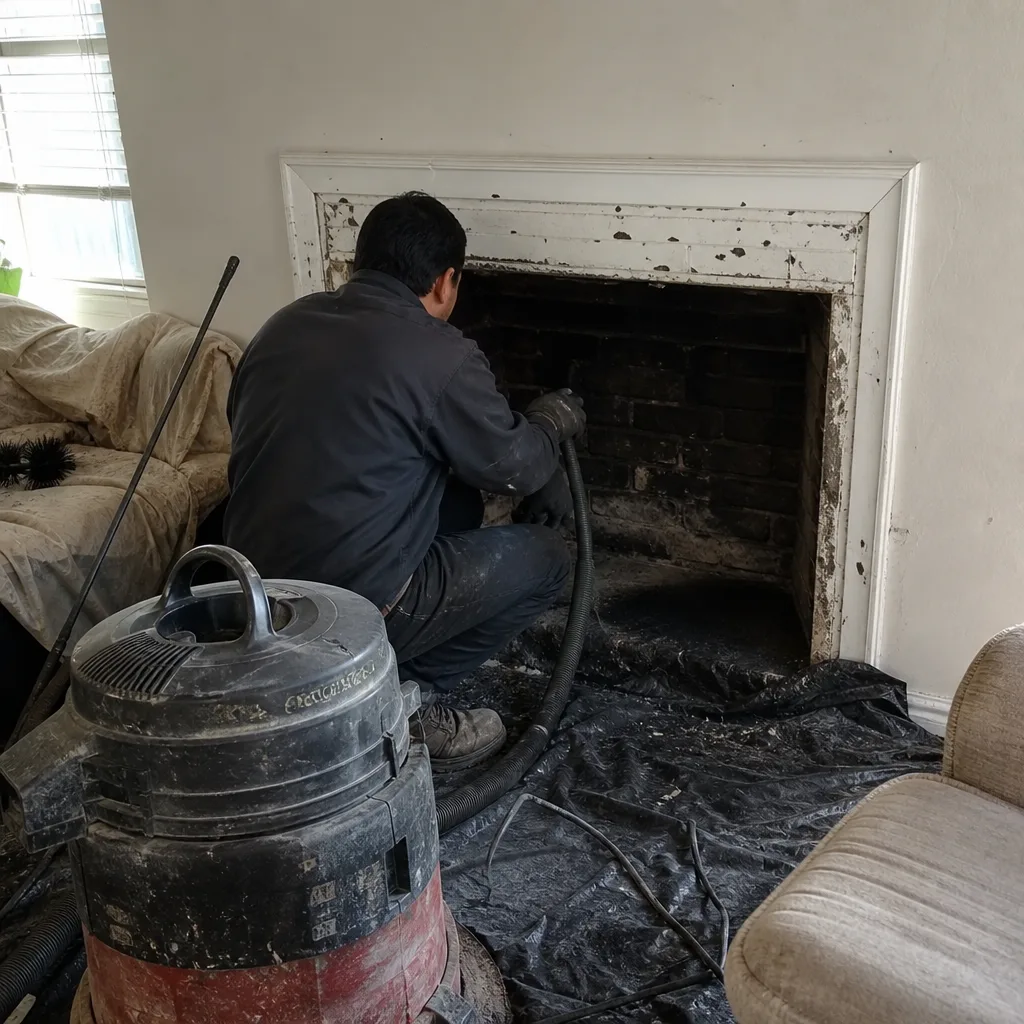 Before
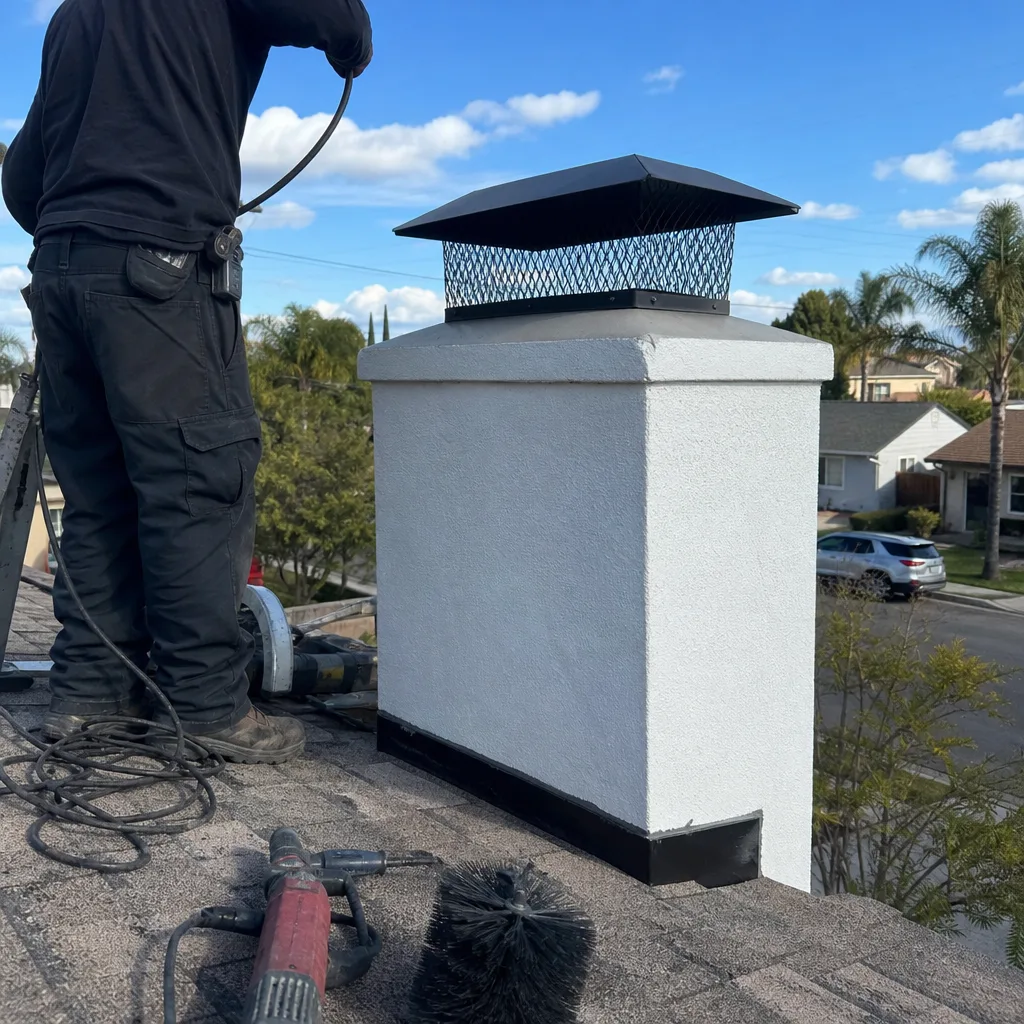 After
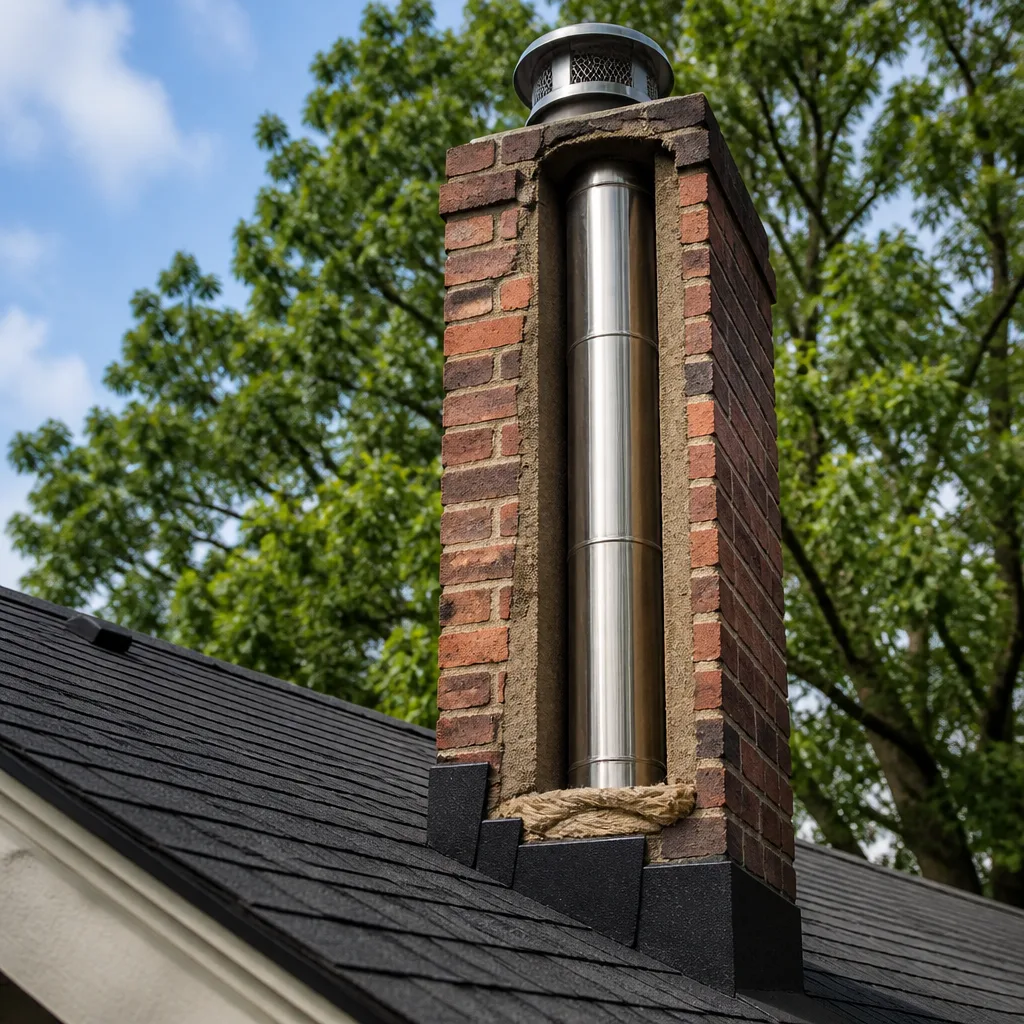
After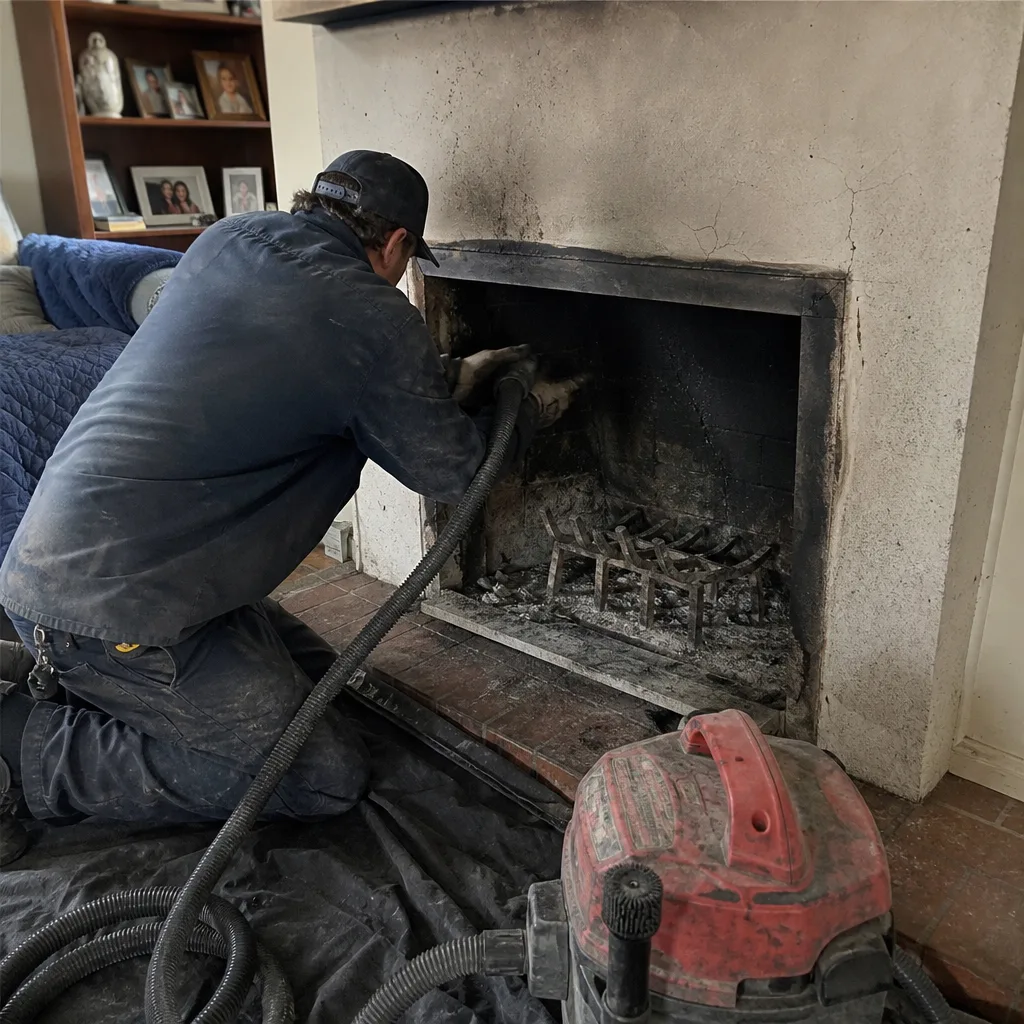 Before
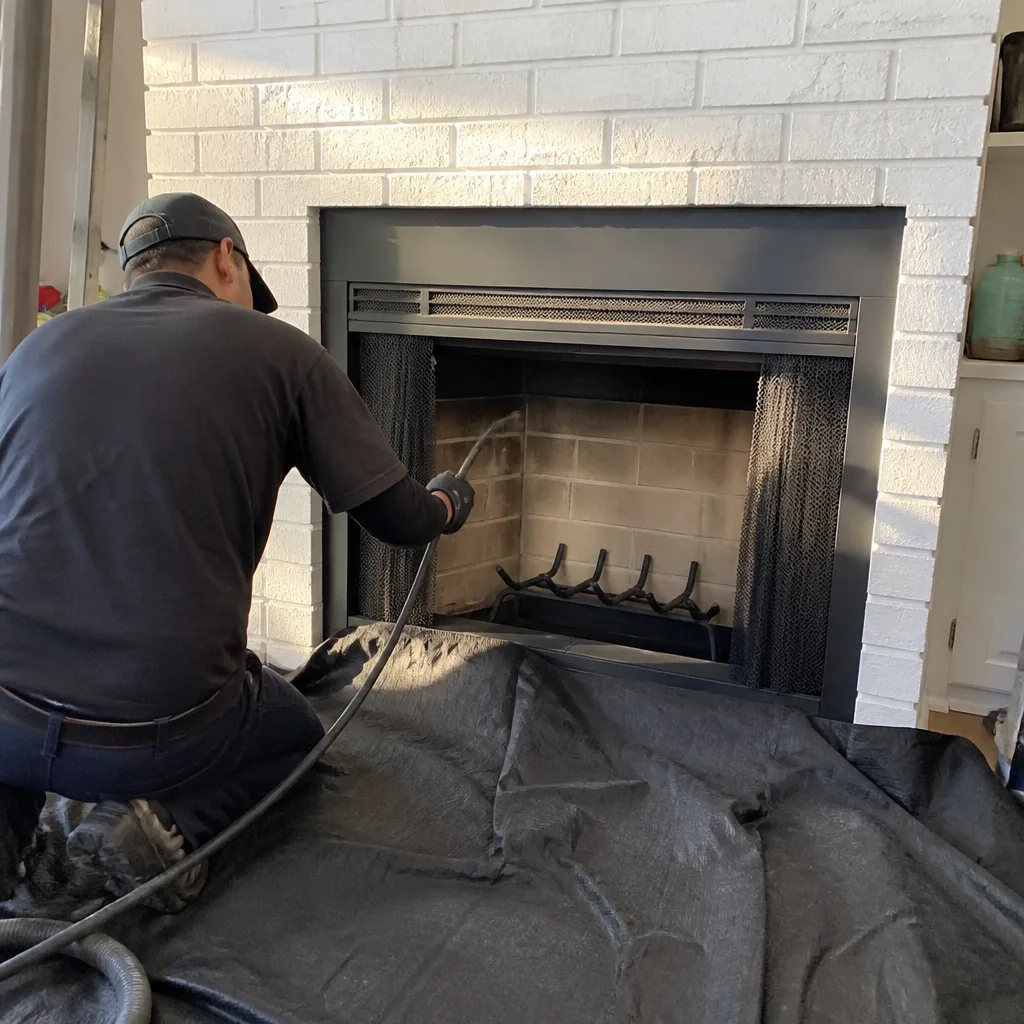 After
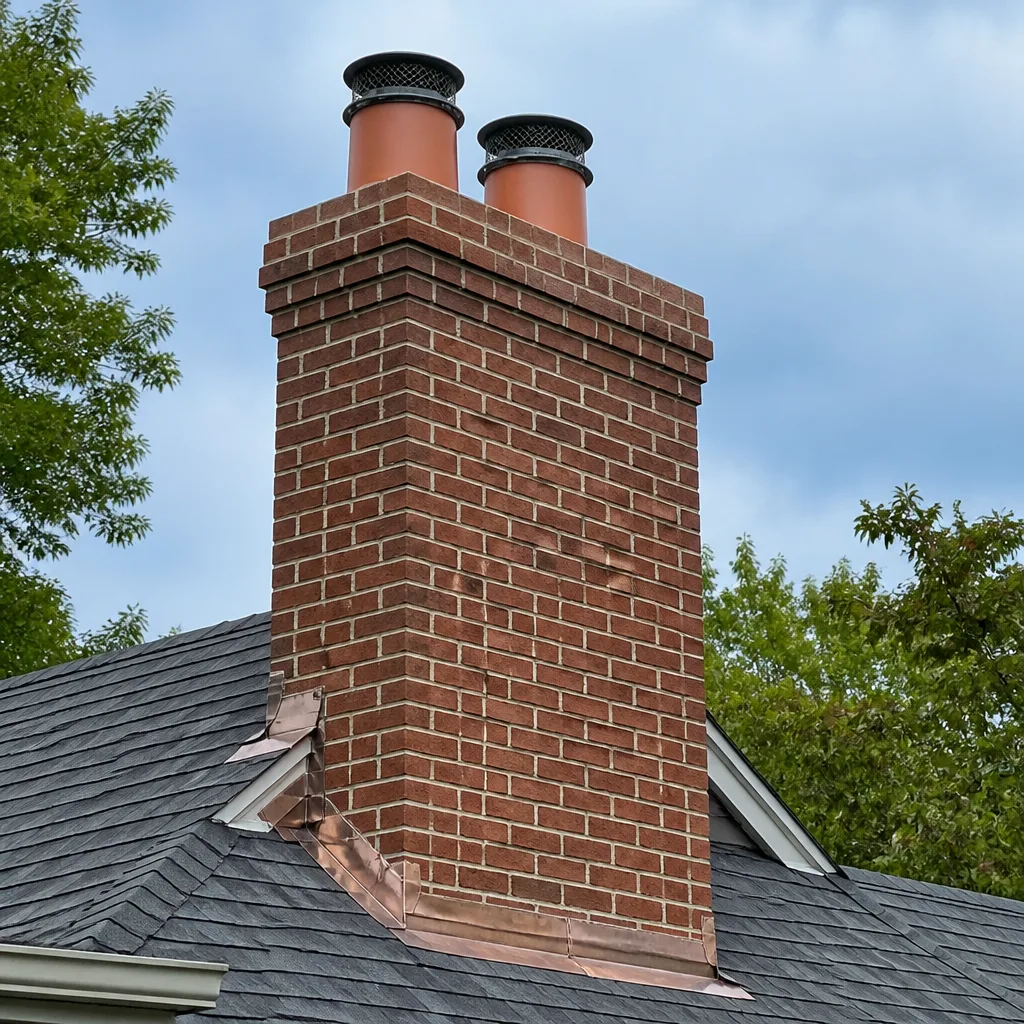
AfterChimney Cleaning Permits, Codes & Inspections in CA: What You Need to Know
In California, replacing a chimney liner without a permit is not a gray area - it’s an unpermitted improvement that must be disclosed in a real estate transaction and can void a homeowner’s insurance claim. Most sweep companies don’t mention this. Homeowners in Long Beach and across Los Angeles County routinely discover the permit problem only when a buyer’s inspector flags it, or worse, when an insurer denies a fire-loss claim because the liner was installed without documentation. This guide - alongside our Complete Guide to Chimney Cleaning in Long Beach - maps which chimney work triggers permits, which inspections satisfy insurer requirements, and what documentation actually survives a resale disclosure in California.
Quick Answer
Most chimney cleaning & sweep maintenance in California does not require a permit, but liner replacement, structural repair, and new fireplace construction do. An NFPA 211 Level 2 inspection with a documented photo record satisfies both insurance adjuster requirements and California real estate disclosure obligations. For work in Long Beach, the California Residential Code Section R1001 and local amendments govern all fireplace construction and repair, while CalFire clearance rules apply to properties in Wildland-Urban Interface zones.
Table of Contents
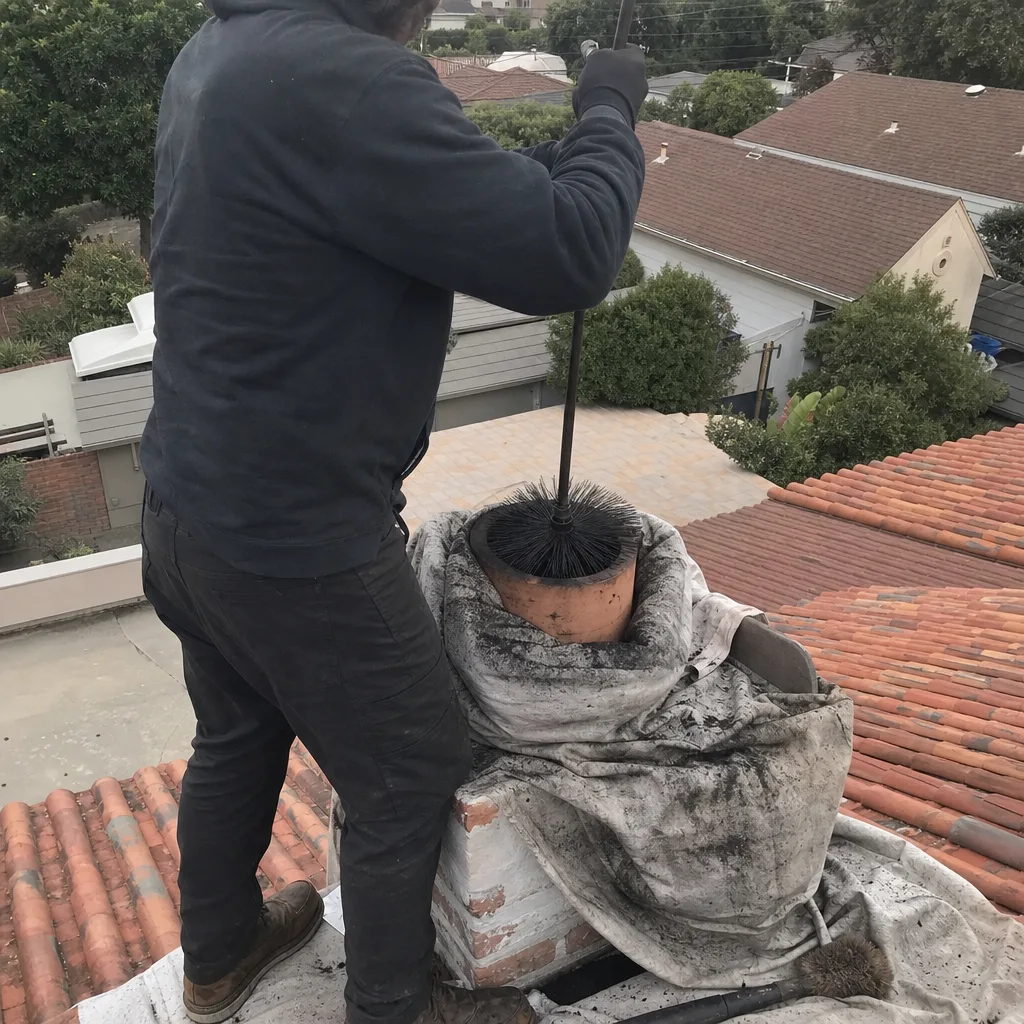
- Which Chimney Work Needs Permits in California
- NFPA 211 Level 2 Inspections and Insurance Requirements
- California Residential Code Section R1001 and Long Beach Amendments
- Real Estate Disclosure: What Documentation Survives
- CalFire Rules and Long Beach’s Wildland-Urban Interface Zones
- What Happens During a Compliant Chimney Inspection
- Cost of Compliance: Permits, Inspections, and Repairs in Long Beach
- Common Mistakes to Avoid
- When to Call a Professional
- Frequently Asked Questions
 Before
 After
AfterWhich Chimney Work Needs Permits in California
California building departments treat chimney work in three categories: maintenance, repair, and alteration. The permit threshold sits between repair and alteration, and the distinction costs homeowners thousands when they guess wrong.
Maintenance: No Permit Required
Routine chimney sweeping, creosote removal, and basic cleaning fall under maintenance. A Chimney Cleaning & Sweep in Long Beach does not trigger permit requirements if the work is limited to the flue interior and no components are replaced. This includes:
- Standard sweeping with brushes and vacuums
- Creosote removal (Class I and II)
- Smoke chamber parging with approved refractory materials (when not altering dimensions)
- Cap and spark arrestor cleaning
We’ve completed more than 38,000 chimney inspections and cleanings since 2009, and the majority required zero permit involvement. The key is that maintenance restores the system to its original condition without changing materials, dimensions, or appliance connections.
Repair: Permit Often Required
Repairs that affect structural integrity, fire safety, or appliance connections typically require a permit. In Long Beach, the Building and Safety Bureau requires permits for:
- Flue liner replacement or relining - Any work involving a new stainless steel liner from DuraFlex or Olympia Chimney, or a cast-in-place system like HeatShield, requires a permit because it changes the flue’s rated capacity and clearance to combustibles.
- Crown repair exceeding 50% of surface area - Partial patching is maintenance; reconstruction triggers permit requirements under Long Beach Municipal Code amendments.
- Firebox rebuild or refractory panel replacement - Factory-built fireplace panel swaps often require manufacturer-specific approval and permit verification.
- Damper replacement (when converting to top-sealing) - The change in operational mechanism constitutes an alteration.
- Chimney cap installation with structural attachment - Slip-on caps are maintenance; bolted or flashed caps that penetrate the crown require permits.
Alteration: Always Permitted
New fireplace construction, conversion from wood to gas (or reverse), height modifications, and through-the-wall penetrations are full alterations. These require engineered plans, Title 24 energy compliance documentation, and inspection at rough-in and final. In Long Beach’s hillside zones, geological review may add a third inspection layer.
The practical risk: unpermitted liner work is discoverable. When a homeowner in Belmont Heights or Naples sells, the buyer’s inspector spots a new liner with no permit history. The disclosure obligation under California Civil Code Section 1102.6 then forces the seller to either permit retroactively (expensive, sometimes impossible) or discount the sale price. We’ve seen $8,000-$15,000 sale concessions directly traceable to unpermitted chimney work.
NFPA 211 Level 2 Inspections and Insurance Requirements
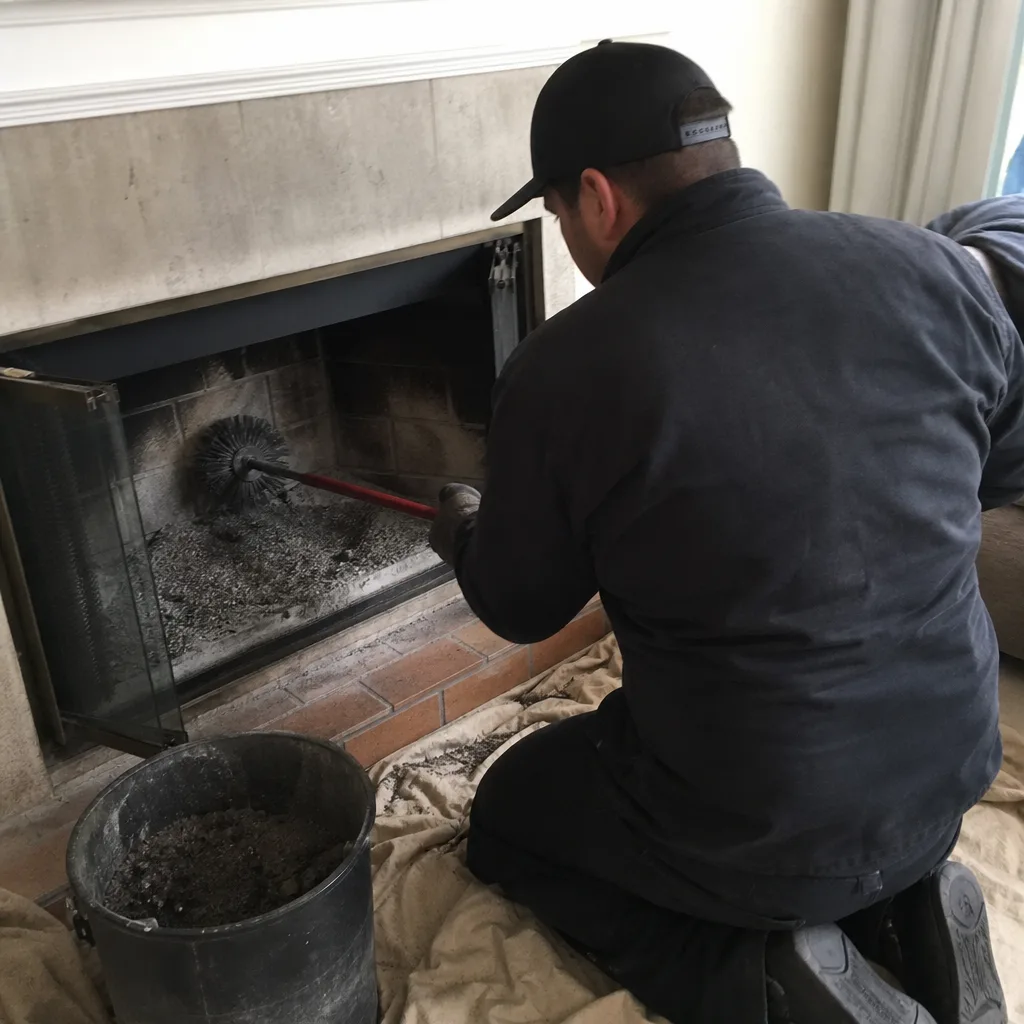
After a chimney fire, California insurance adjusters do not accept a flashlight-and-mirror report. They want documentation that meets NFPA 211 standards, and specifically, the Level 2 criteria that became the adjuster benchmark after the 2017 Tubbs Fire litigation.
An NFPA 211 Level 2 inspection requires:
- Visual inspection of accessible portions - Firebox, smoke chamber, damper, and flue interior.
- Camera scan of the full flue length - This is the critical differentiator from Level 1. The camera must traverse from firebox to crown, recording liner condition, joint alignment, and obstruction.
- Attic and crawl space examination where accessible - Clearance to combustibles, framing contact, and penetration sealing.
- Exterior evaluation - Crown integrity, flashing, cricket function, and masonry condition.
- Written report with findings and recommendations - Not verbal. Not email summary. A formal document.
Emberly Chimney Cleaners made camera-scan documentation the default in 2009, years before regulators or insurers asked for it. That practice became Clause 4 of the Haven Standard. Every inspection we perform includes a documented photo record, stored with the written scope and warranty.
Insurance implications are specific. After a fire loss in California, the adjuster will request:
- Date of last professional inspection
- Inspection standard cited (NFPA 211 Level 1, 2, or 3)
- Documentation of creosote condition and cleaning history
- Evidence of any recommended repairs and whether they were completed
A Level 2 report with photos satisfies all four requests. A Level 1 report, or no report, gives the insurer grounds to reduce or deny the claim based on maintenance exclusion. We’ve provided documentation for dozens of Long Beach homeowners in claims disputes; the ones with Level 2 records from 2009 onward have never faced denial on documentation grounds.
The camera record also protects against post-fire disputes about pre-existing conditions. A photo of a cracked flue liner from 2022, with timestamp and GPS metadata, eliminates argument about whether the crack caused the fire or resulted from it.
California Residential Code Section R1001 and Long Beach Amendments
California adopts the International Residential Code with state amendments, then local jurisdictions add their own. For chimneys, the controlling document is California Residential Code Section R1001, “Chimneys and Fireplaces,” as modified by Long Beach Municipal Code Chapter 18.08.
Key CRC R1001 Provisions
Section R1001.1 requires all chimneys to be constructed of approved masonry, metal, or factory-built materials listed to UL 103 or UL 127. The section specifies:
- Minimum wall thicknesses for masonry chimneys (4 inches solid masonry or 8 inches if unlined)
- Flue liner requirements - clay, concrete, or listed metal liners mandatory for masonry chimneys
- Clearance to combustibles - 2 inches minimum for masonry, varies for factory-built
- Termination height - 3 feet above roof penetration, 2 feet higher than any part of the building within 10 feet
California’s amendment adds seismic bracing requirements for chimneys exceeding certain height-to-width ratios, critical in earthquake country. The amendment also mandates spark arrestors in Wildland-Urban Interface zones, discussed below.
Long Beach-Specific Amendments
Long Beach Building and Safety applies several local amendments that affect chimney work:
- Wind resistance - Caps and spark arrestors must withstand 85 mph gusts per the Long Beach Wind Exposure Zone map. Gelco and Famco caps we install are rated to 110 mph, exceeding this margin.
- Corrosion protection - Within 1.5 miles of the coast (covering Belmont Shore, Alamitos Beach, and parts of Downtown Long Beach), stainless steel must be 304 grade minimum; 316L preferred for cap hardware and fasteners.
- Historical district review - Work visible from the street in Bluff Park, Carroll Park, or other HPOZ districts requires Historical Preservation Office approval before permit issuance.
- Seismic retrofit trigger - Chimney repair exceeding $5,000 in value triggers evaluation of the entire system for current seismic standards, potentially requiring tie-down straps or partial rebuild.
We’ve worked on chimneys in Long Beach’s historical districts where the HPOZ process added 3-4 weeks to permit approval. Planning for this timeline matters if you’re selling on a deadline. The written price we provide before work starts includes permit timeline estimates where applicable - Clause 1 of the Haven Standard, “Have it in writing.”
Real Estate Disclosure: What Documentation Survives
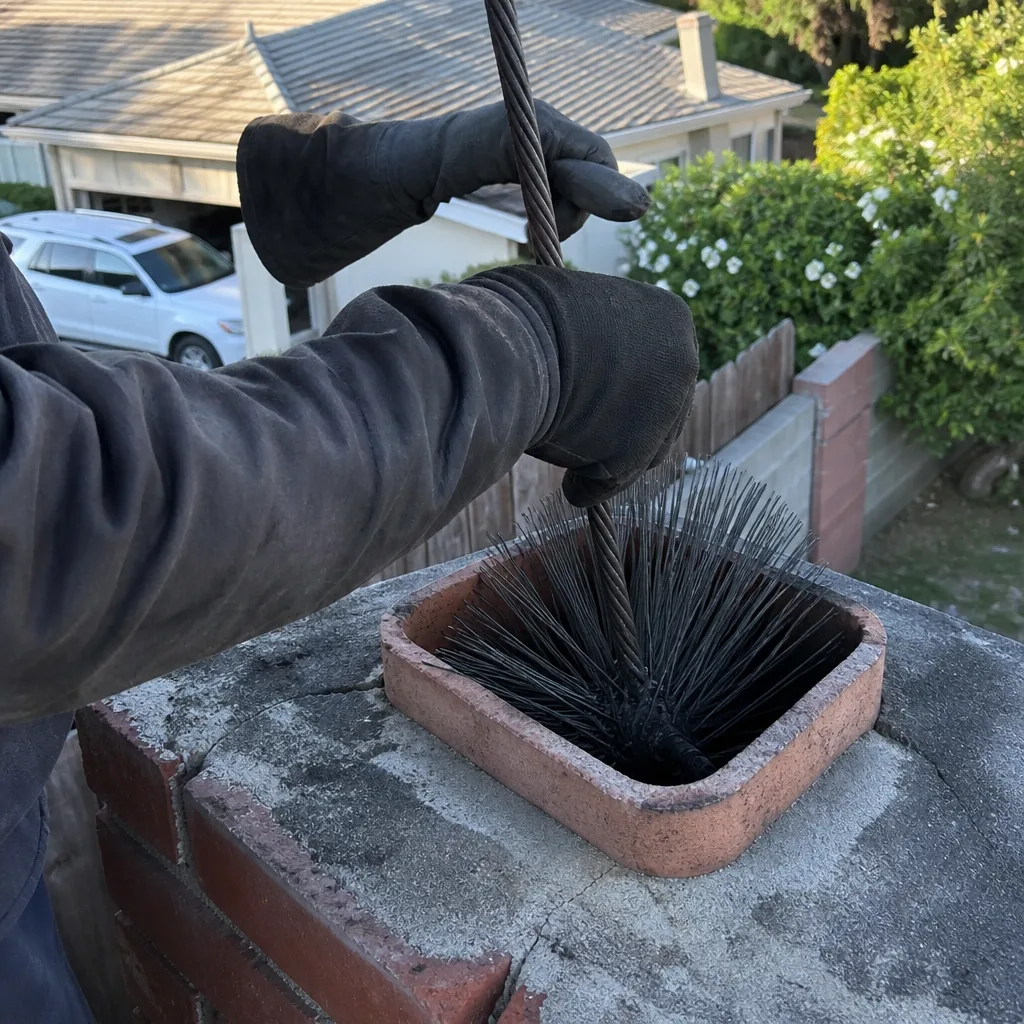
California Civil Code Section 1102 requires sellers to disclose material facts affecting property value or desirability. Courts have consistently held that unpermitted improvements are material facts. For chimneys, this creates specific documentation obligations that verbal reports and handwritten receipts do not satisfy.
What “Inspection Documentation” Must Contain
To survive a disclosure challenge or post-sale dispute, chimney inspection documentation should include:
- Date and property address - Must match the assessor’s records exactly.
- Inspector identification - Company name, technician name, and license or certification numbers.
- Standard applied - NFPA 211 Level 1, 2, or 3, cited explicitly.
- Scope of inspection - What was examined, what was inaccessible, and why.
- Findings with photographic evidence - Timestamped images of conditions observed.
- Recommendations prioritized - Safety-critical versus maintenance versus cosmetic.
- Written cost estimate for recommended work - Itemized, with material specifications.
- Customer acknowledgment - Signature or electronic confirmation of receipt.
A verbal report satisfies none of these. A one-page checklist with checkmarks and a signature satisfies perhaps two. The full packet, with photos and written scope, is what holds up when a buyer’s attorney starts asking questions.
Clause 4 of the Haven Standard requires this full packet on every job. We’ve delivered documented photo records since 2009, and we’ve testified in three disclosure disputes where our documentation was the decisive evidence. In two cases, the presence of a complete Level 2 record protected the seller; in one, the absence of any documentation from a prior sweep company exposed the seller to liability.
The Resale Timeline Problem
Long Beach’s market moves fast. A homeowner in Bixby Knolls or Los Altos gets a 30-day close request and discovers their chimney documentation is a receipt from 2019 with no findings recorded. We can perform a Level 2 inspection and deliver the full packet within 48 hours, but emergency scheduling compresses the timeline and may limit accessibility options. Annual inspection, with documentation maintained, prevents the scramble.
CalFire Rules and Long Beach’s Wildland-Urban Interface Zones
CalFire’s Wildland-Urban Interface (WUI) building standards apply to properties mapped within fire hazard severity zones. Most of Long Beach is urbanized and exempt, but pockets of El Dorado Park Estates, Rancho Estates, and the northeastern hillside areas fall within Moderate or High Fire Hazard Severity Zones on the CalFire map.
What WUI Status Means for Chimney Maintenance
For WUI-designated properties, California Building Code Chapter 7A adds requirements:
- Spark arrestor mesh - Maximum 1/2 inch openings, noncombustible construction, permanently attached.
- Ember-resistant construction - Chimney penetration through roof deck must be sealed with approved fire-blocking.
- Annual cleaning mandatory - Not recommended, not suggested. The property’s fire-safe clearance certificate requires documented annual chimney sweeping for wood-burning appliances.
The annual cleaning timing matters. CalFire inspectors typically review WUI properties in late spring, before peak fire season. A homeowner who swept in January has valid documentation; one who plans to sweep in October may face citation or insurance premium adjustment. We schedule WUI properties in Long Beach for March-May service to align with this inspection cycle.
Climate factors compound this. Long Beach’s marine layer keeps surface moisture higher than inland areas, but the Santa Ana wind events of October-December dry chimneys rapidly and increase fire risk precisely when WUI properties are most vulnerable. The combination of dry fuel load and high wind speed is when most chimney fires in WUI zones occur. Annual cleaning before this window is not conservative - it’s the minimum compliance standard.
What Happens During a Compliant Chimney Inspection
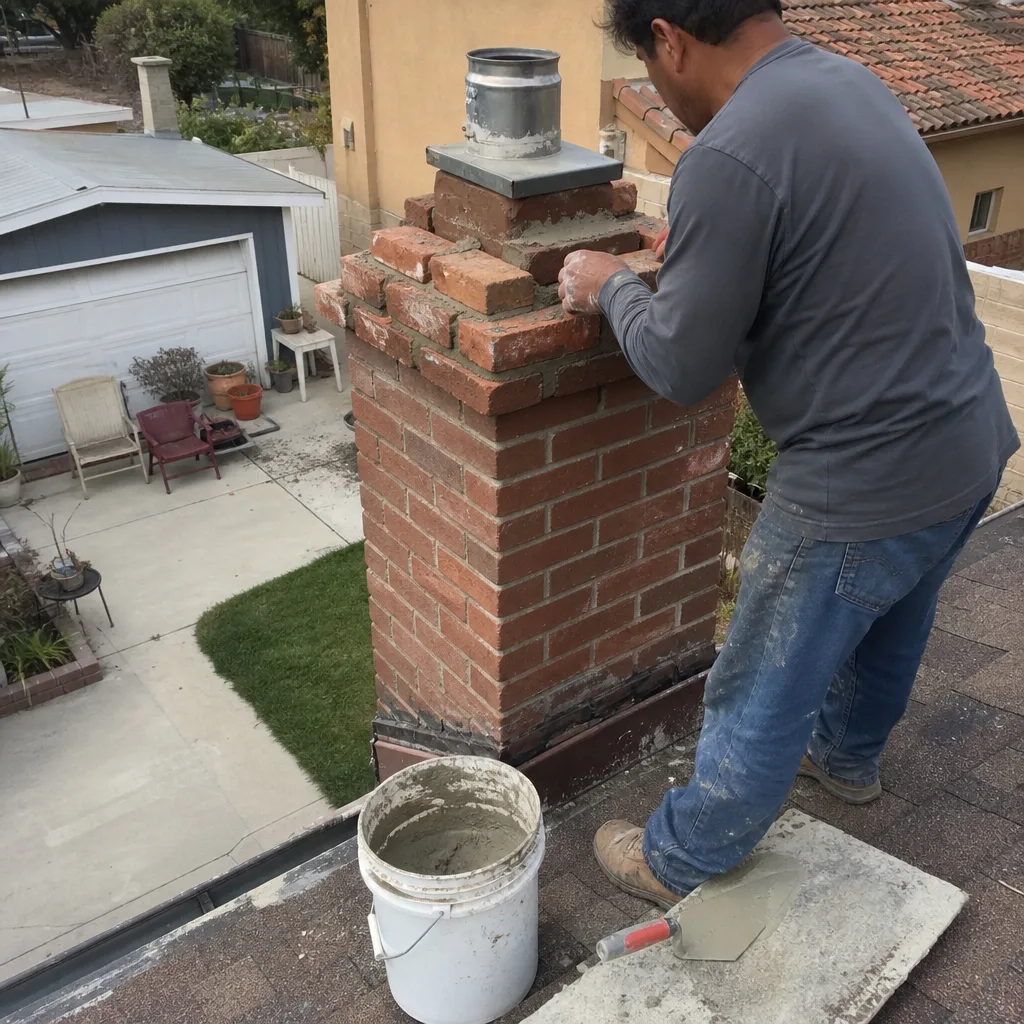
Understanding the inspection process helps homeowners evaluate what they’re actually paying for and whether the documentation they’ll receive meets California’s multi-layered requirements; see our more guides & resources for related topics.
Step-by-Step: NFPA 211 Level 2 Inspection
- Exterior evaluation - Technician examines crown, cap, flashing, and masonry from roof level. In Long Beach, we specifically check for salt-air corrosion on metal components and spalling from thermal cycling in south-facing exposures.
- Firebox and smoke chamber access - Damper operation tested, refractory panels inspected for cracks or deterioration, smoke chamber checked for proper parging.
- Camera deployment - High-resolution video camera inserted from firebox to flue top, recording liner condition, joint offsets, creosote accumulation class, and obstruction.
- Attic and accessible spaces - Where reachable, clearance to combustibles verified, framing contact documented, penetration sealing inspected.
- Appliance connection review - Proper connector type, support, and clearance confirmed.
- Documentation compilation - Photos, video stills, written findings, and prioritized recommendations assembled into the report packet.
- Written price delivery - Before any work beyond inspection begins, itemized scope and price provided for customer approval - Haven Standard Clause 1.
The entire process typically takes 60-90 minutes for a standard masonry chimney in Long Beach. Factory-built units with chase enclosures may require additional time for chase top removal and resealing.
What the Camera Reveals
The camera scan distinguishes a genuine Level 2 from a flashlight pretense. We’ve found:
- Clay tile liner shifts of 1/4 inch or more - invisible from below, critical for fire safety
- Class III glazed creosote - hard, tar-like accumulation requiring chemical treatment before mechanical removal
- Missing mortar joints between flue tiles - creating pathways for combustion gases into chimney walls
- Animal nesting in upper flue sections - common in Long Beach’s park-adjacent neighborhoods where raccoons and squirrels are active
- Water intrusion patterns from failed crown or flashing - often misdiagnosed as “settling” without camera evidence
Each finding is photographed, described in plain terms, and explained for what it means in one clause. “The liner joint at 12 feet is offset 3/8 inch, which allows combustion gases to contact the masonry wall and accelerates deterioration.” No jargon without definition. No finding without implication.
Cost of Compliance: Permits, Inspections, and Repairs in Long Beach
California’s compliance layers add cost, but unpermitted work costs more when discovered. Here’s what Long Beach homeowners should expect.
Inspection Costs
| Service | Typical Range in Long Beach | What’s Included |
|---|---|---|
| NFPA 211 Level 1 Inspection | $150-$250 | Visual examination, basic findings report |
| NFPA 211 Level 2 Inspection | $275-$425 | Camera scan, full photo documentation, written report with recommendations |
| Level 2 with sweep included | $375-$550 | Full inspection plus standard cleaning and creosote removal |
| WUI compliance certificate | $125-$200 additional | CalFire-specific documentation, spark arrestor verification |
Our Level 2 inspection includes the documented photo record as standard - Haven Standard Clause 4 - not as a $75 add-on. The written price before work starts includes all components; no post-inspection surprise charges.
Permit Costs
Long Beach Building and Safety permit fees for chimney work:
- Liner replacement - $180-$320 permit fee, plus plan check if engineered liner sizing required
- Crown repair/rebuild - $150-$280 depending on valuation
- Firebox rebuild - $200-$400, with possible structural engineering review
- New fireplace construction - $500-$1,200, including Title 24 energy compliance review
- HPOZ review - $85-$150 additional, 2-4 week timeline
The permit cost is typically 8-15% of total project value. The cost of unpermitted discovery at sale is 10-25% in price reduction or repair credits, plus the stress of delayed closing.
Repair Cost Context
When inspection finds conditions requiring correction, Long Beach pricing reflects material sourcing through our Haven buying network (DuraFlex, HeatShield, Gelco, Olympia Chimney, Famco, Copperfield) to keep customer prices honest:
- Stainless steel liner installation (permitted): $2,800-$5,500 depending on flue count and height
- Crown rebuild with proper overhang and drip edge: $1,200-$2,400
- Smoke chamber parging: $800-$1,600
- Factory-built firebox panel replacement: $600-$1,400 plus permit
We provide a Free Second Opinion on any written estimate from a competitor. Bring us their itemized scope and we’ll review it against what our inspection found - no charge, no obligation.
Common Mistakes to Avoid
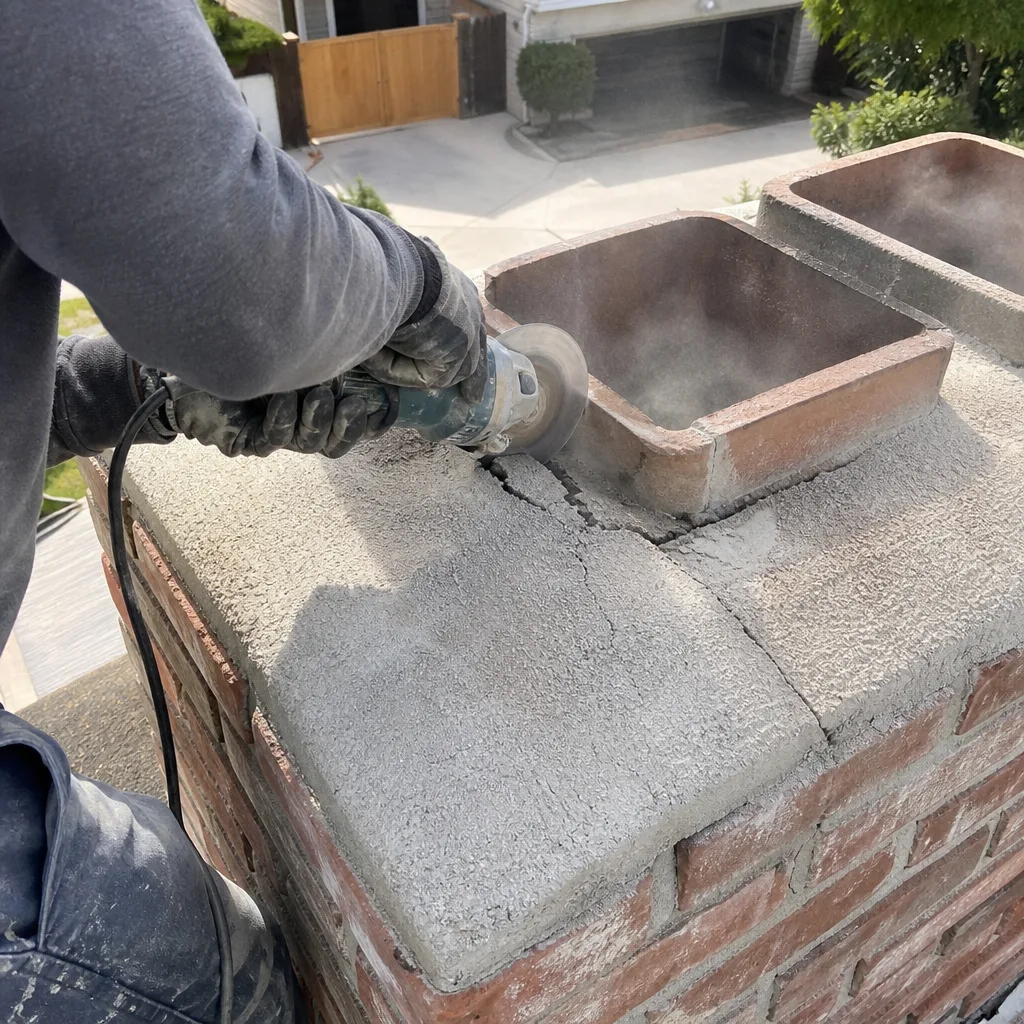
- Assuming maintenance covers everything - A sweep company that cleans your flue but never inspects the liner with a camera has not evaluated the system’s safety. In Long Beach’s older neighborhoods like Belmont Heights, we’ve found deteriorated liners in homes that were “swept annually” for decades without camera verification.
- Accepting verbal estimates for repair work - California contractors must provide written estimates for work exceeding $500. More importantly, a verbal price can’t be compared, can’t be referenced if disputes arise, and won’t satisfy an insurer or buyer. Haven Standard Clause 1 requires written price, scope, and warranty before any work starts.
- Installing liners without permits - The permit is not a revenue grab. It triggers inspection of clearance to combustibles, proper sizing for the appliance, and correct termination. Unpermitted liners we’ve encountered in Long Beach have had 30% incidence of incorrect sizing or unsupported offsets.
- Skipping documentation for “minor” repairs - A crown patch today becomes a disclosure issue in five years when the seller can’t prove when it was done or by whom. Photo records with dates protect future you.
- Ignoring WUI status - Long Beach’s WUI map boundaries shift as CalFire updates fire hazard modeling. A property not in WUI in 2019 may be in WUI in 2025. Check current status before listing or before fire season.
- Using non-specialists for chimney work - General handymen and some HVAC contractors will “take a look” at chimneys. NFPA 211 specifically addresses chimney systems; general construction knowledge does not substitute. We’ve corrected handyman liner installations that reversed the flow direction and created immediate carbon monoxide hazards.
- Delaying inspection until sale preparation - The buyer’s inspector will find conditions. Finding them yourself first, with time to address them properly and permit the work, puts you in control of timeline and cost.
When to Call a Professional
Call a certified chimney professional when you notice any of these chimney cleaning warning signs: visible cracks in the firebox or exterior masonry, white staining (efflorescence) on the chimney exterior, smoke entering the room during fireplace use, a persistent smoky odor when the fireplace is not in use, or it’s been more than 12 months since your last Level 2 inspection. In Long Beach’s coastal climate, salt air accelerates metal component corrosion; if your cap or flashing shows rust, the underlying structure may be compromised.
Emberly Chimney Cleaners Long Beach offers free estimates in Long Beach - call (424) 401-5585. Our background-checked, uniformed technicians arrive with license information displayed, a written scope and price before any work begins, and the camera equipment to document what we find. Live phone support runs 24 hours a day, 7 days a week. Every job is backed by the 365-Day Done Right Promise: if it’s not done right, we make it right.
Frequently Asked Questions
A standard chimney sweep in Long Beach typically runs $200-$350, while an NFPA 211 Level 2 inspection with camera scan and documented photo record ranges from $275-$425. Combined sweep and inspection packages usually fall between $375-$550. Call (424) 401-5585 for an exact quote - estimates are free.
You need a new liner when the existing one is damaged, improperly sized for your appliance, or missing entirely - conditions we verify with camera inspection, not guesswork. In Long Beach’s older homes, particularly in neighborhoods like Belmont Shore and Bluff Park, we’ve found clay tile liners deteriorated from decades of thermal cycling. Nothing is recommended without camera evidence you can see for yourself, and we’ll plainly tell you when work can safely wait.
NFPA 211 recommends annual inspection for all chimney systems, with cleaning frequency determined by use and fuel type. Wood-burning fireplaces used regularly need annual sweeping; gas appliances typically need inspection every 1-2 years. In Long Beach’s WUI zones, CalFire requires documented annual cleaning for wood-burning systems as a condition of fire-safe clearance certification.
Skipped maintenance leads to creosote accumulation, which ignites at approximately 451°F and can reach 2,000°F during a chimney fire, cracking liners and penetrating to combustible framing. Carbon monoxide risks rise with blocked or deteriorated flues. In California, insurers may deny fire-loss claims if inspection documentation shows neglected maintenance. The cost of prevention is a fraction of the cost of remediation.
An NFPA 211 Level 2 inspection with documented photo record satisfies California insurance adjuster requirements for pre-loss documentation and post-loss claims. A Level 1 inspection or verbal report typically does not. We’ve provided documentation for dozens of Long Beach claims; Level 2 records have never been rejected on sufficiency grounds.
A sweep removes creosote and obstructions from the flue. An inspection evaluates the system’s condition, safety, and compliance with codes and standards. You can sweep without inspecting (though we don’t recommend it), but a proper inspection includes evaluation of components the sweep never touches - liner joints, crown integrity, clearance to combustibles. Our Chimney Cleaning & Sweep in Long Beach includes both when bundled, or inspection alone when that’s what’s needed.
The Bottom Line
California’s chimney compliance landscape is navigable when you understand the three overlapping authorities: CalFire for WUI zones, local building departments for permits, and NFPA 211 for inspection standards. In Long Beach, this means knowing whether your property falls under WUI rules, whether your planned work triggers permit requirements under CRC R1001 and local amendments, and whether your documentation will survive a real estate disclosure or insurance claim review. The homeowners who avoid surprises are those who get Level 2 inspections annually, maintain photo-documented records, and permit any work that alters the system’s structure or components. The cost of compliance is predictable. The cost of discovery is not.
Written by Corrine Halstead, Owner at Emberly Chimney Cleaners Long Beach, serving Long Beach since 2009.