
Last updated September 22, 2026
Level 1 sweep and inspection to the NFPA 211 annual standard - flue, crown, cap, and flashing checked and photographed
Chimney sweep logs do not sweep chimneys. They loosen some creosote - which then falls where a brush and vacuum still have to collect it.
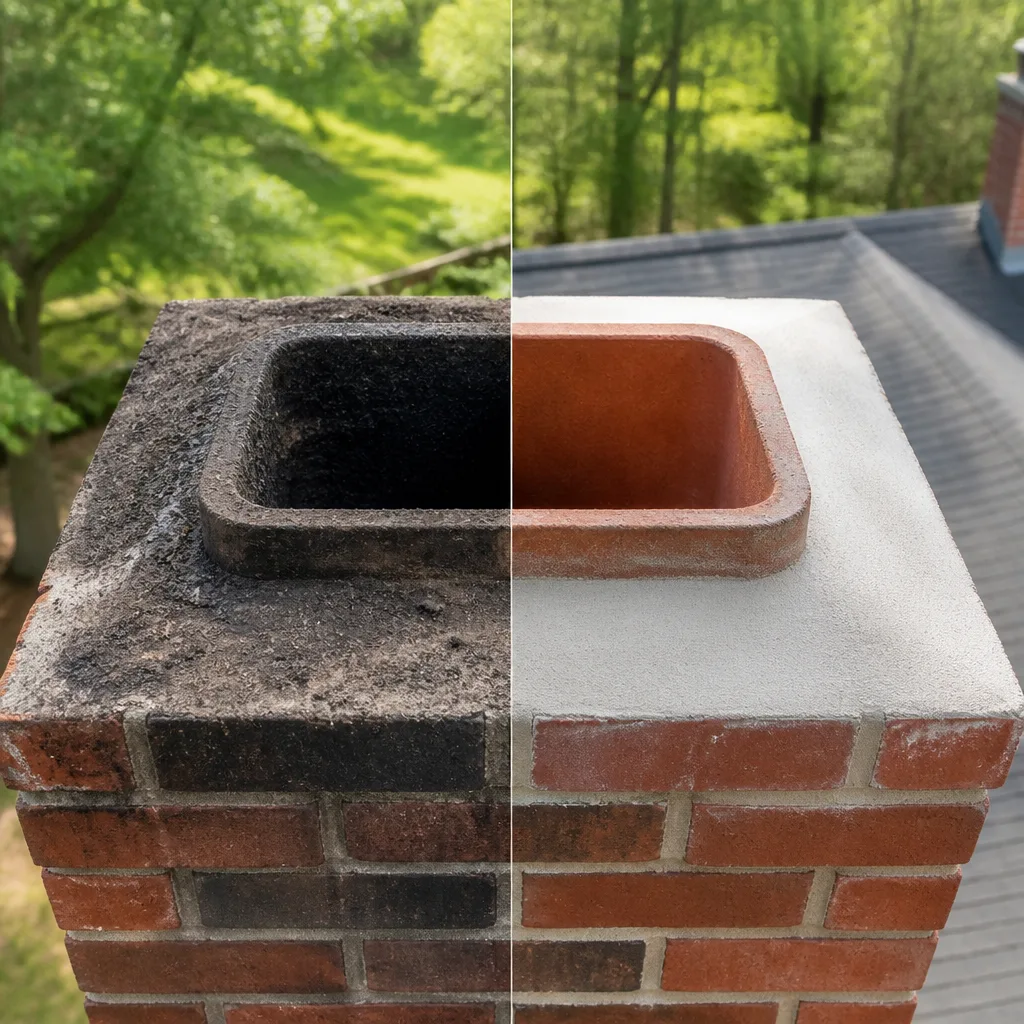
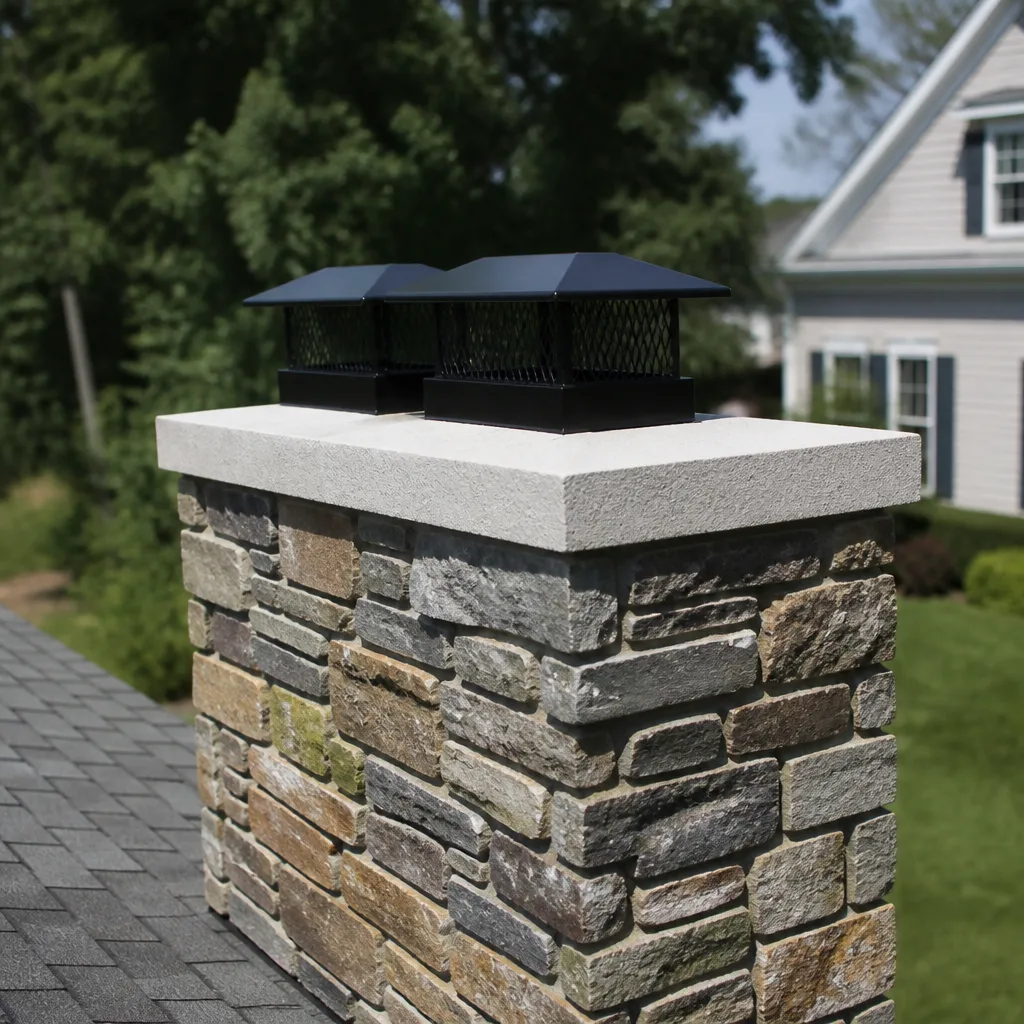
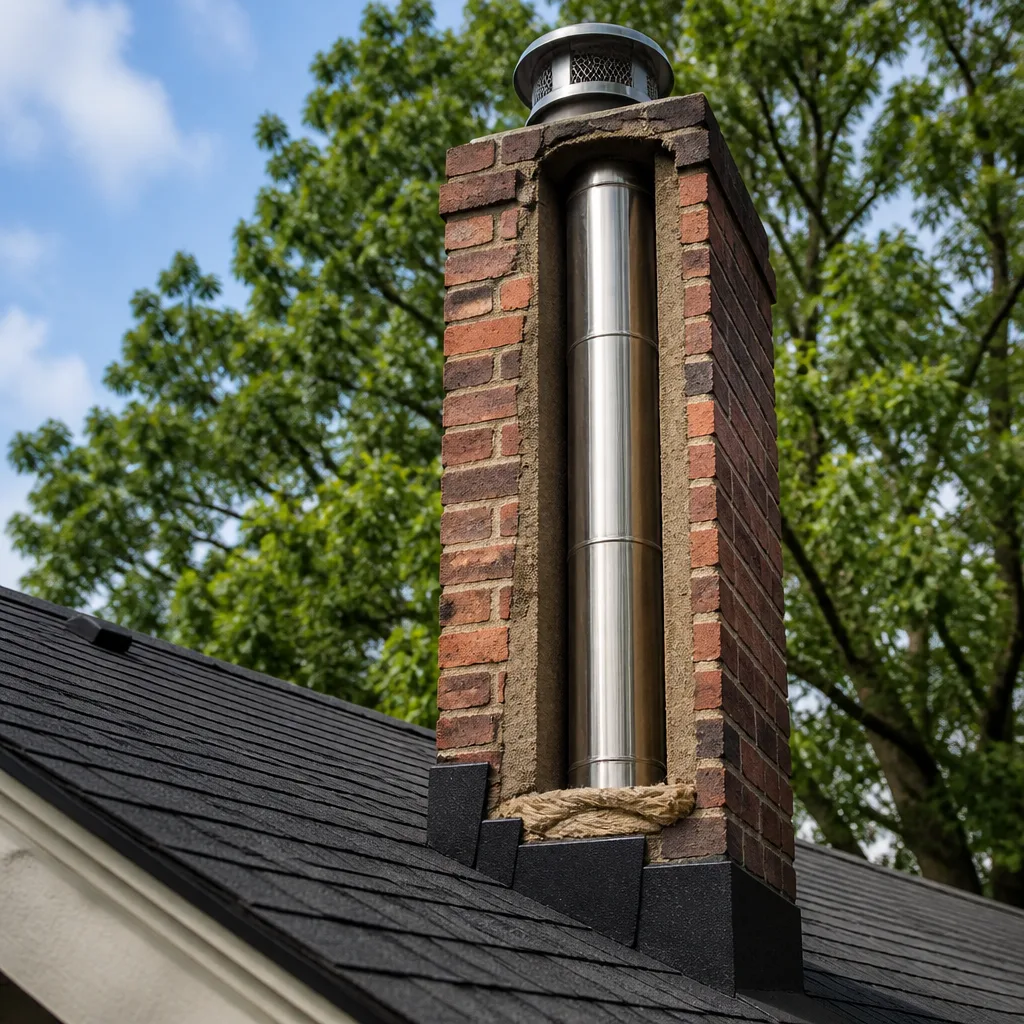
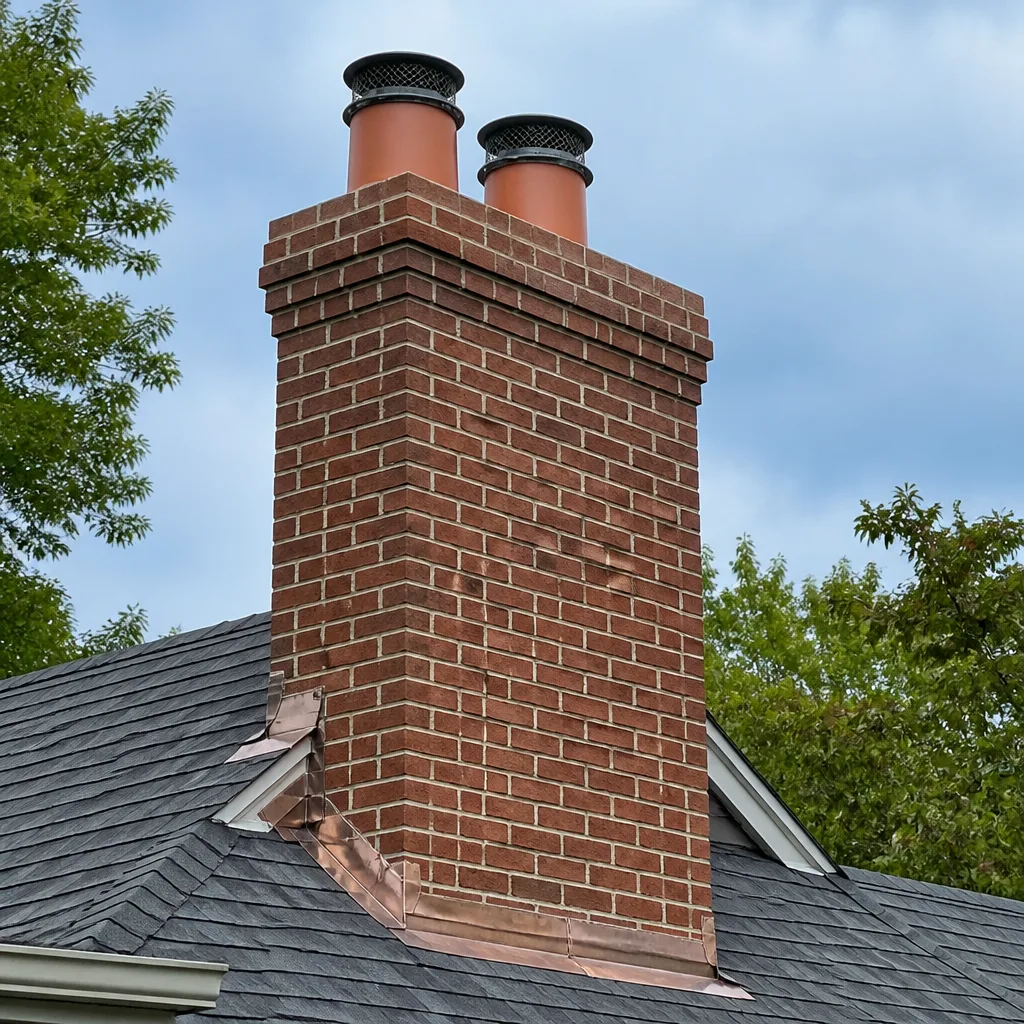
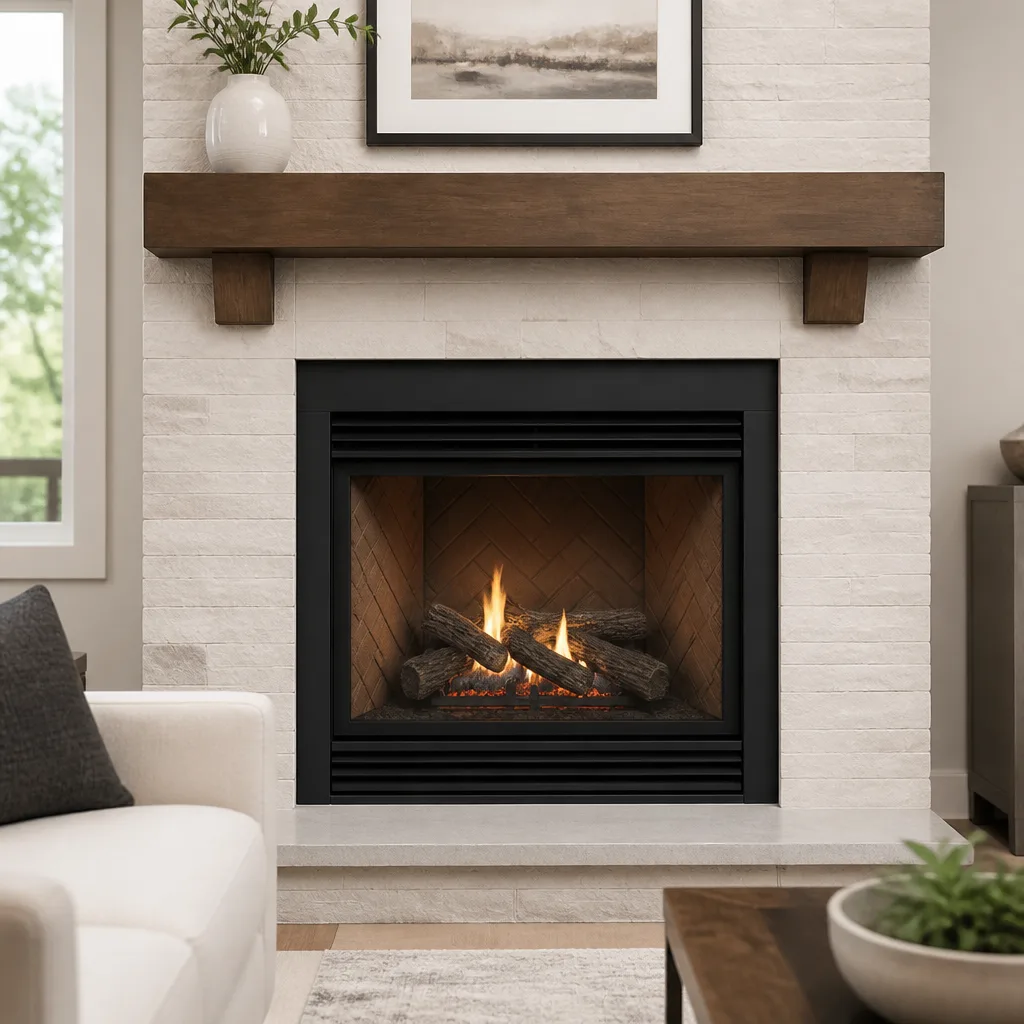
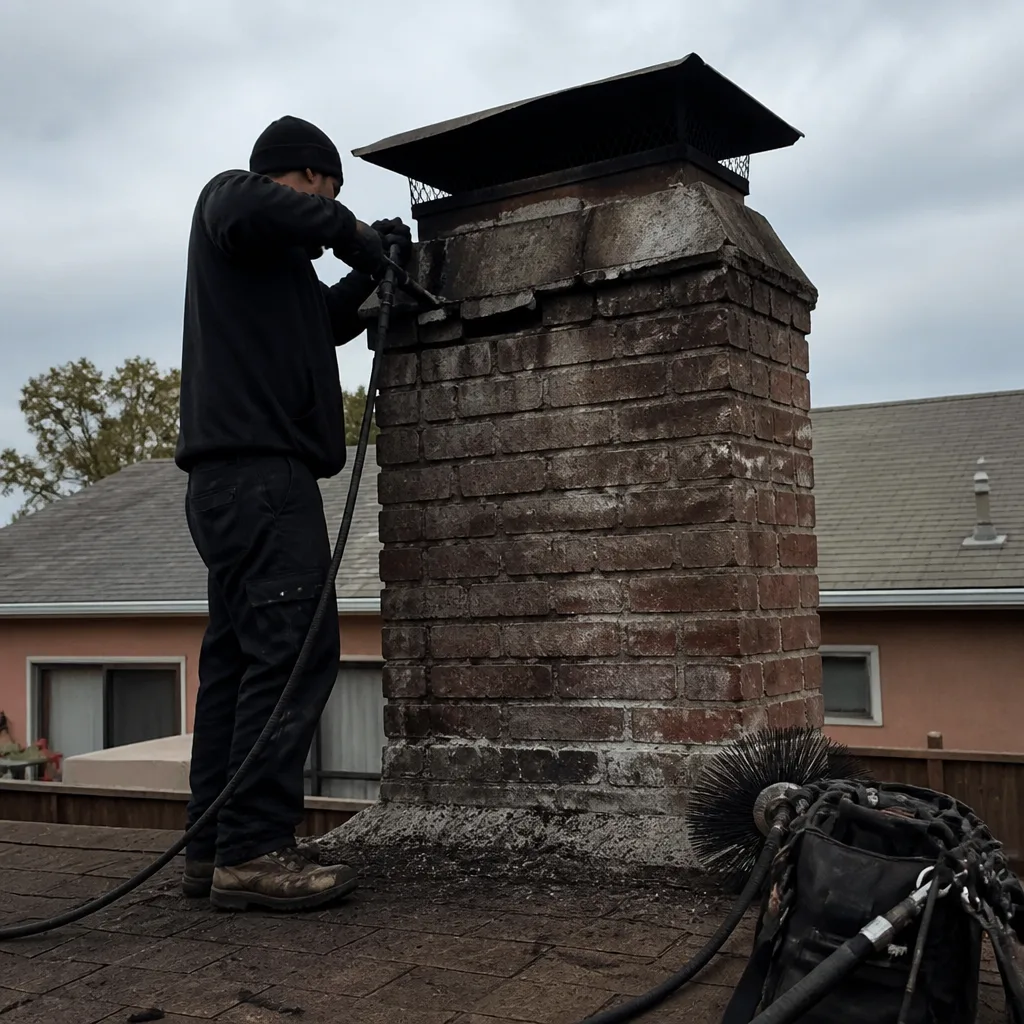 Before
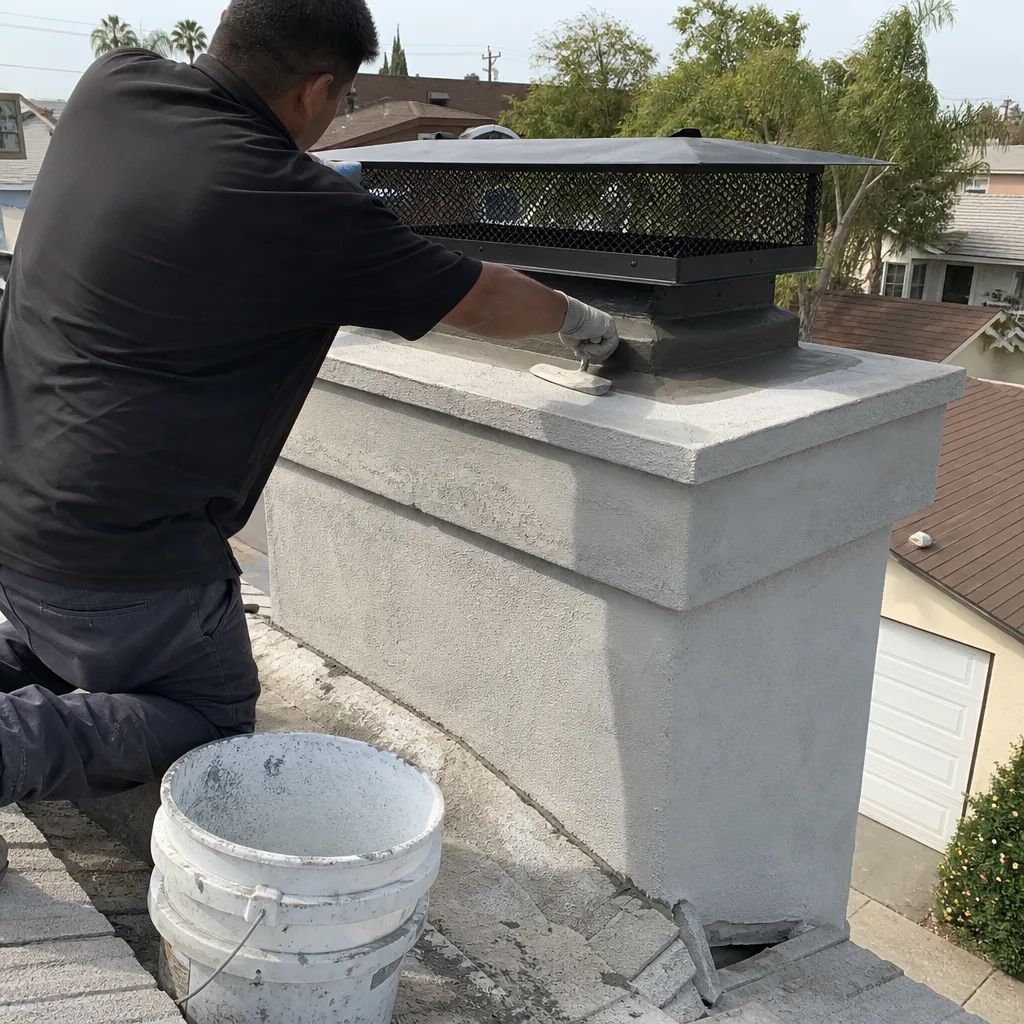 After
After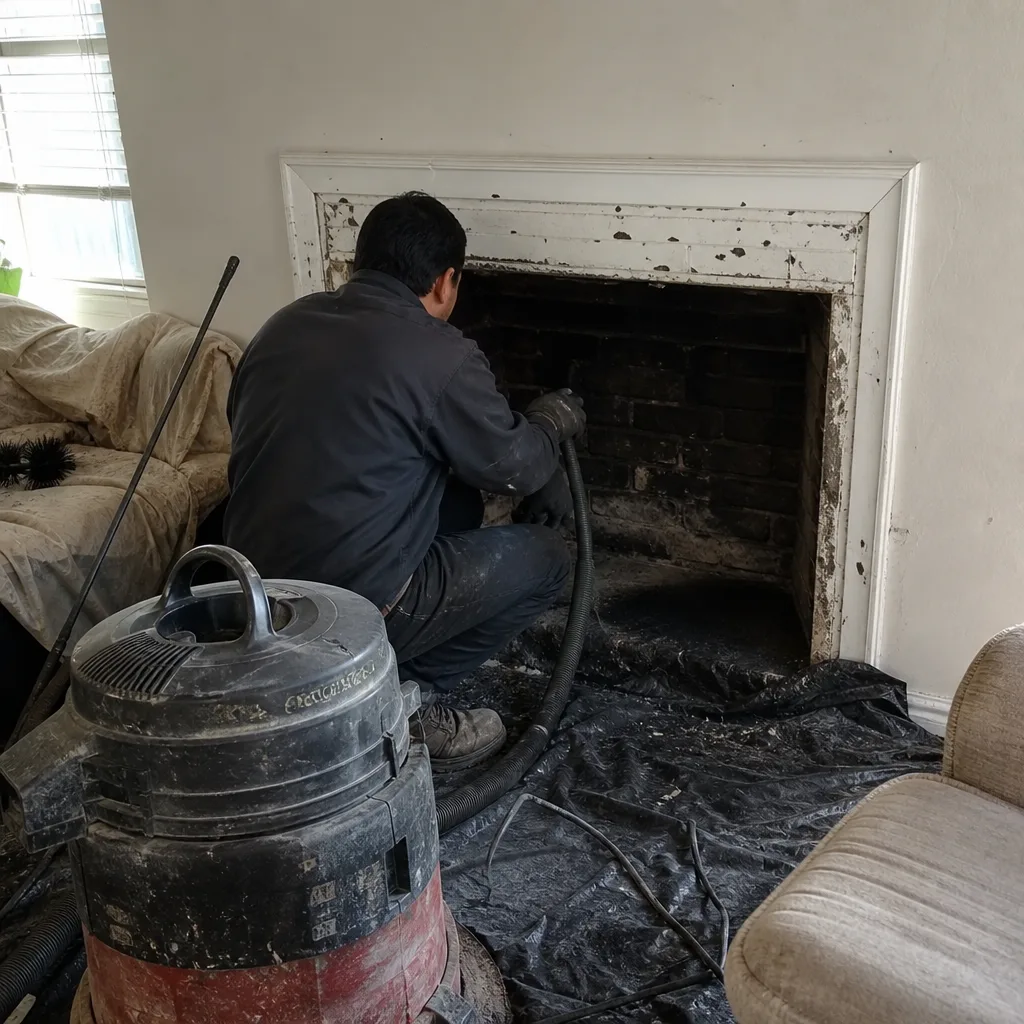 Before
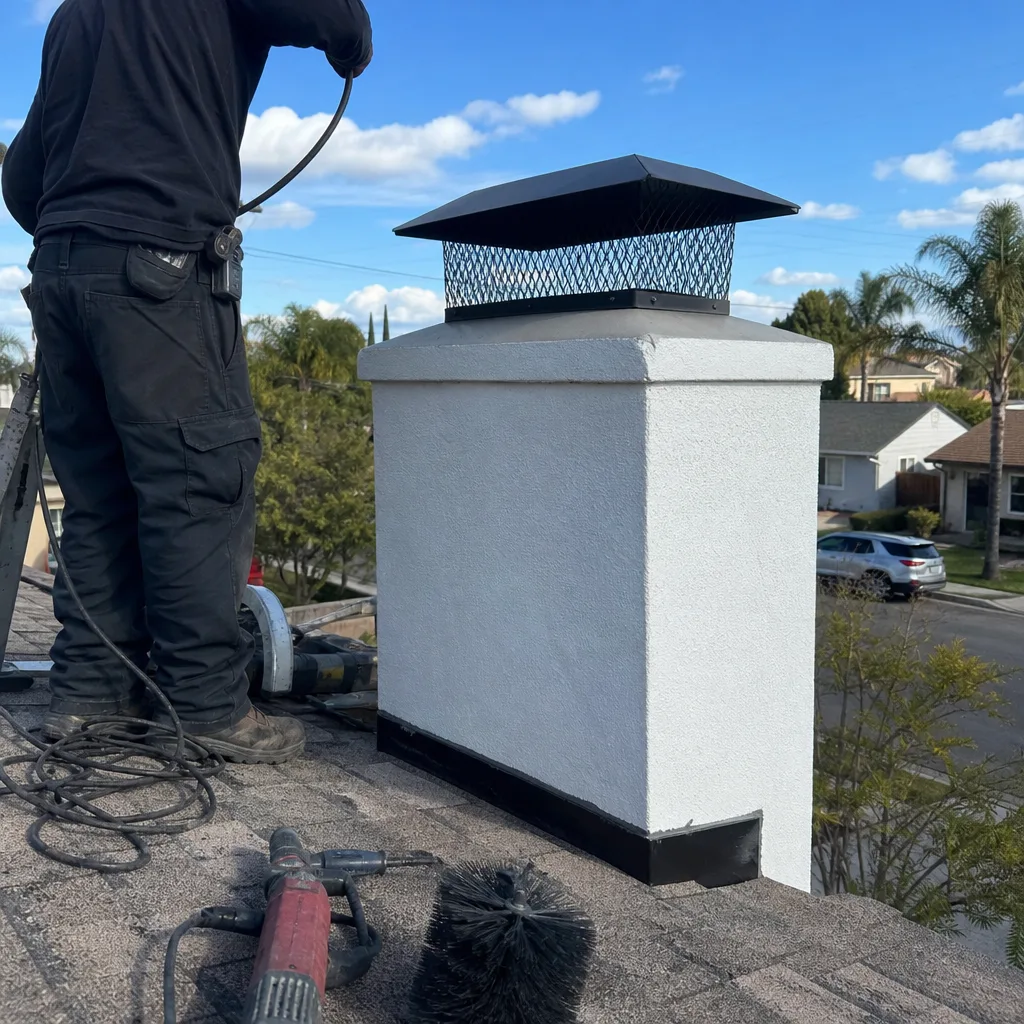 After
After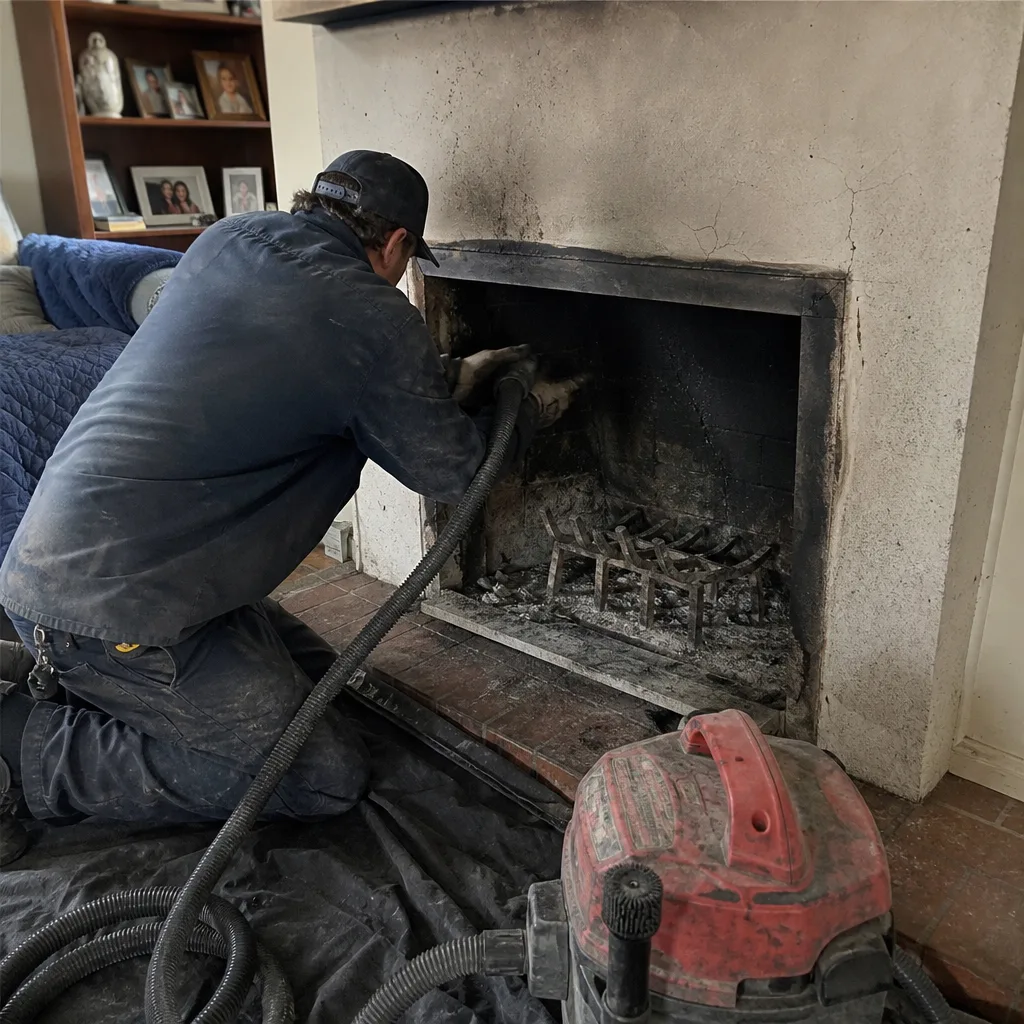 Before
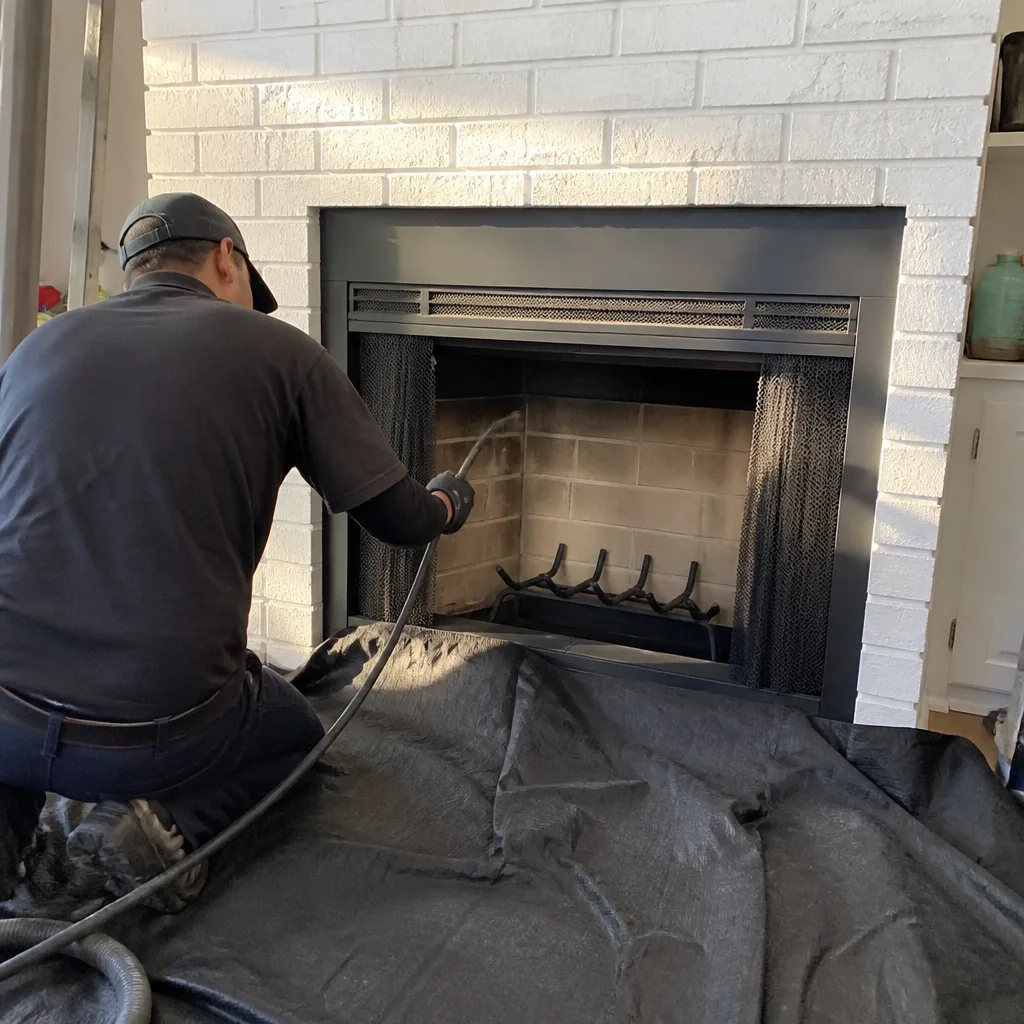 After
AfterHow to Hire a Chimney Cleaning Contractor in Long Beach: A Step-by-Step Guide
Twelve of the fifteen chimney companies currently advertising in Long Beach on major platforms do not include camera documentation in their base service. They offer it as an upsell after they’re already in your home. This guide - alongside our more guides & resources - teaches you how to spot that bait-and-switch before you schedule, what five questions separate documented work from a flashlight-and-vacuum visit, and how to read a quote so you know exactly what you’re paying for in Long Beach’s chimney service market.
Quick Answer
To hire a chimney cleaning contractor in Long Beach, ask five phone questions before booking: whether they put a camera down the flue before and after cleaning, whether you receive a written photo record, whether the price is fixed in writing before work starts, whether technicians are background-checked and uniformed, and whether the company carries current liability insurance with a verifiable license. The companies that answer yes to all five - and put those promises in writing - are the ones that document their work rather than sell you findings after they’re inside your home.
Table of Contents
- Why Camera Documentation Matters More Than Certification
- The Five Phone Questions That Separate Documented Work from Flashlight Sweeps
- How to Read a Chimney Service Quote: Line Items and Red Flags
- What a Legitimate Written Warranty Actually Covers
- Red Flags in Online Reviews: Spotting Scope-Creep Tactics
- Long Beach-Specific Considerations: Climate, Codes, and Neighborhoods
- Common Mistakes to Avoid
- When to Call a Professional
- Frequently Asked Questions
 Before
 After
AfterWhy Camera Documentation Matters More Than Certification
CSIA certification means a technician passed a test on chimney systems, fire codes, and safety standards. It does not mean the company sends a camera down your flue on every visit. We’ve cleaned chimneys in Long Beach where the previous “certified” sweep missed a cracked flue liner because they never looked. The homeowner found out during a home inspection, twelve months later, when the sale nearly fell through.
The NFPA 211 Level 2 inspection - the standard that requires internal camera examination of the flue - is what finds the problems certification alone cannot see. A Level 2 inspection means a camera travels the full length of the flue, capturing images of liner condition, mortar joints, creosote buildup classification, and any gaps or spalling (surface flaking) in the masonry. You receive a documented photo record of what was found, not a verbal summary.
Here’s what certification covers and what it doesn’t:
- CSIA certification covers: Knowledge of combustion, ventilation, and fire safety codes; proper cleaning techniques; industry standards for clearances and construction.
- CSIA certification does not cover: Whether the company owns inspection cameras; whether they use them on every job; whether you receive written documentation; whether pricing is disclosed before work begins.
At Emberly Chimney Cleaners Long Beach home, we’ve held to the NFPA 211 Level 2 standard since 2009. Clause 4 of the Haven Standard requires a photo record on every job, every time. That practice predated insurer requirements by years. When you ask a company whether they perform Level 2 inspections as standard, the answer tells you whether they document or speculate.
The difference matters in Long Beach’s housing stock. Many homes in Belmont Heights, Belmont Shore, and the Craftsman neighborhoods north of Fourth Street were built between 1920 and 1950. Their chimneys have clay tile liners that crack with thermal cycling, especially where the marine layer keeps masonry damp through May and June. A flashlight look from the top misses horizontal cracks. A camera doesn’t.
The Five Phone Questions That Separate Documented Work from Flashlight Sweeps
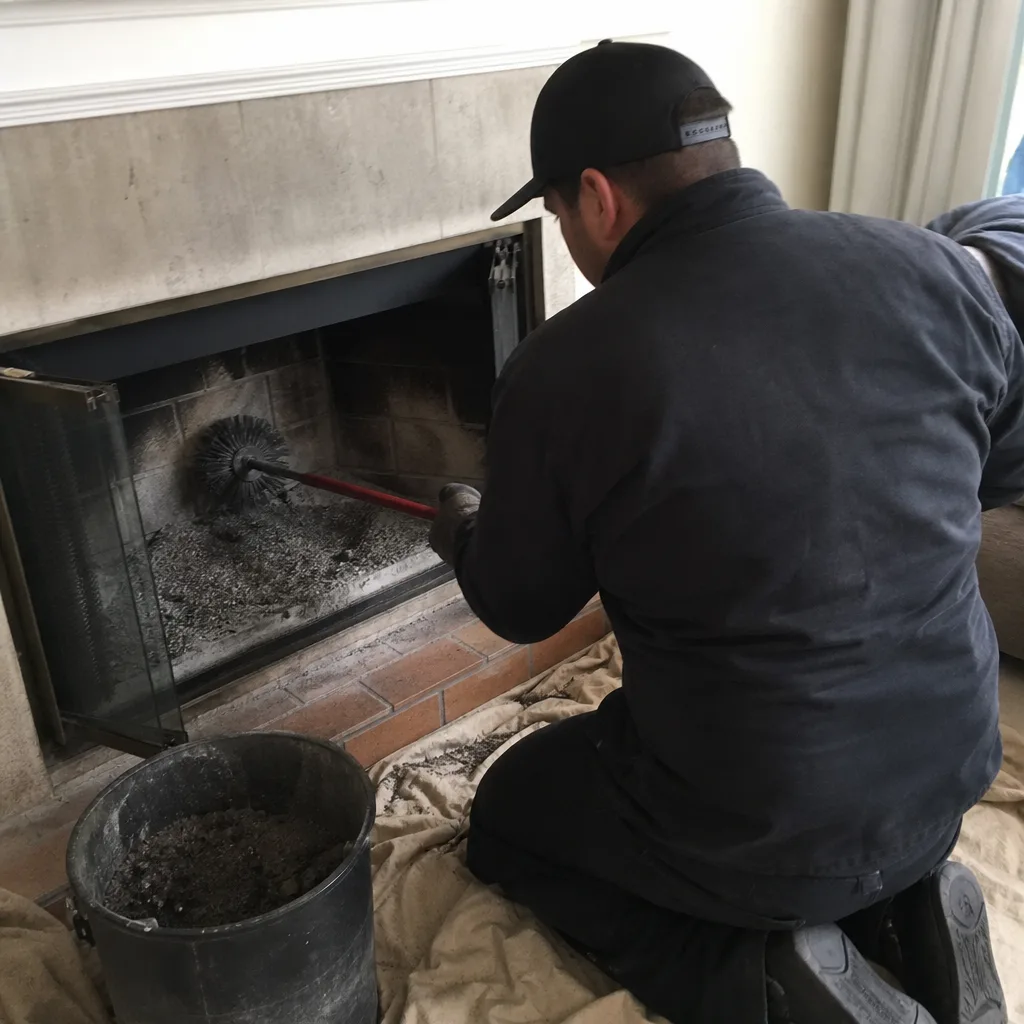
Ask these questions in this order when you call any chimney company in Long Beach. Write down the answers. The specific wording of their response predicts the quality of what you’ll receive.
Question 1: “Do you put a camera down the flue before and after cleaning, and do I get a written copy of what it found?”
The answer you want: “Yes, we perform an internal camera scan on every cleaning, and you’ll receive a photo report showing liner condition, creosote class, and any defects.”
The answer that signals trouble: “We can add a camera inspection for an additional fee” or “Our technician will let you know if he sees anything concerning.” Translation: the camera is an upsell, and you’re relying on someone’s memory instead of documentation.
Clause 4 of the Haven Standard exists because we saw this gap in the market. Since 2009, every one of our 38,000+ jobs has included a documented photo record, not as an upgrade but as the baseline.
Question 2: “Is the price fixed in writing before any work starts, or do you bill based on what you find?”
The answer you want: “We’ll provide a written price, written scope, and written warranty before anyone begins work.”
The answer that signals trouble: “We need to see it first” or “Most cleanings run between X and Y, but it depends.” This opens the door to inspection findings that suddenly require expensive repairs.
Our approach: Clause 1 of the Haven Standard, H.A.V.E.N. “Have it in writing.” The price you approve is the price you pay. If we find something unexpected during the camera scan, we show you the image, explain what it means, and provide a separate written estimate before any additional work. Nothing is done without your written approval.
Question 3: “Are your technicians background-checked, uniformed, and do you send their name and photo before arrival?”
The answer you want: “Yes, all technicians pass background checks, wear company uniforms, and you’ll receive a text with their name and ETA when they’re on the way.”
The answer that signals trouble: “We use subcontractors” or “The technician will call when he’s nearby.” You don’t know who’s entering your home.
H.A.V.E.N. “Verified crews” and “Arrive on schedule” mean our license number appears on every page, a named technician is assigned to your job, and you receive a text notification. This matters in Long Beach’s dense neighborhoods, where parking is tight and appointment windows are often vague.
Question 4: “What does your warranty cover specifically, for how long, and what’s the process if something fails?”
The answer you want: “Our warranty covers specific defects in workmanship and materials for 365 days, with a defined remediation process.”
The answer that signals trouble: “We guarantee your satisfaction” or “Call us if you have any problems.” Vague language means vague recourse.
The 365-Day Done Right Promise at Emberly Chimney Cleaners is stamped on every job: if it’s not done right, we make it right. The specific defect, time period, and remediation process are in writing before work starts.
Question 5: “Can you provide proof of current liability insurance and your California contractor’s license?”
The answer you want: “Yes, our license number is [number], and we can email you a certificate of insurance.”
The answer that signals trouble: “We’re fully insured” without specifics, or hesitation when you ask for documentation. In California, any chimney work beyond basic cleaning requires a C-29 or C-61/D-49 license. Unlicensed contractors leave you exposed if damage occurs or if a fire inspector later questions the work.
How to Read a Chimney Service Quote: Line Items and Red Flags
A legitimate chimney cleaning quote in Long Beach should be itemized and specific. Vague quotes become expensive surprises. Here’s what to look for.
Line Items That Should Always Appear
- NFPA 211 Level 2 inspection with internal camera scan: Not “visual inspection” or “safety check.” The camera scan is the difference between documentation and guesswork.
- Creosote removal and sweep of flue, smoke chamber, and firebox: The full system, not just “chimney cleaning” without defined scope.
- Documented photo record delivered to customer: Included as standard, not an optional add-on.
- Debris containment and HEPA cleanup: Protection for your floors, furniture, and air quality during the work.
- Written warranty with specific terms: Duration, covered defects, and remediation process.
Charges That Signal Scope-Creep Tactics
- “Inspection fee” separate from cleaning: This often means the company charges to tell you what else needs repair, then applies pressure while they’re in your home.
- “Trip charge” or “fuel surcharge” not disclosed upfront: Legitimate costs should appear in the original written price.
- Ranges instead of fixed prices: “Sweep: $150-$400” gives the company room to land at the high end based on “what we found.”
- Vague repair recommendations without photo evidence: “Your liner is deteriorating” without a dated image you can examine yourself.
Our quotes include every cost before work begins. We source materials through Haven’s buying network - DuraFlex liners, HeatShield resurfacing systems, Gelco caps, and Famco and Copperfield components - specifically to keep customer prices honest. The written scope defines what materials will be used, where, and why.
What a Proper Quote Looks Like
Here’s a simplified example of how we structure pricing for Chimney Cleaning & Sweep in Long Beach:
| Service | Scope | Price |
|---|---|---|
| NFPA 211 Level 2 Inspection | Internal camera scan of full flue; photo record; condition assessment of liner, crown, and masonry | Included in sweep |
| Chimney Sweep & Cleaning | Removal of Class I-III creosote; sweep of flue, smoke chamber, firebox; debris containment | Fixed price quoted |
| Documented Photo Record | Dated images delivered via email or printed copy | Included (Clause 4, Haven Standard) |
| 365-Day Workmanship Warranty | Defects in cleaning or inspection remediation; written terms | Included |
If additional work is needed, we provide a separate written estimate with line-item pricing for Chimney Repair in Long Beach or liner installation. Nothing is combined or hidden.
What a Legitimate Written Warranty Actually Covers
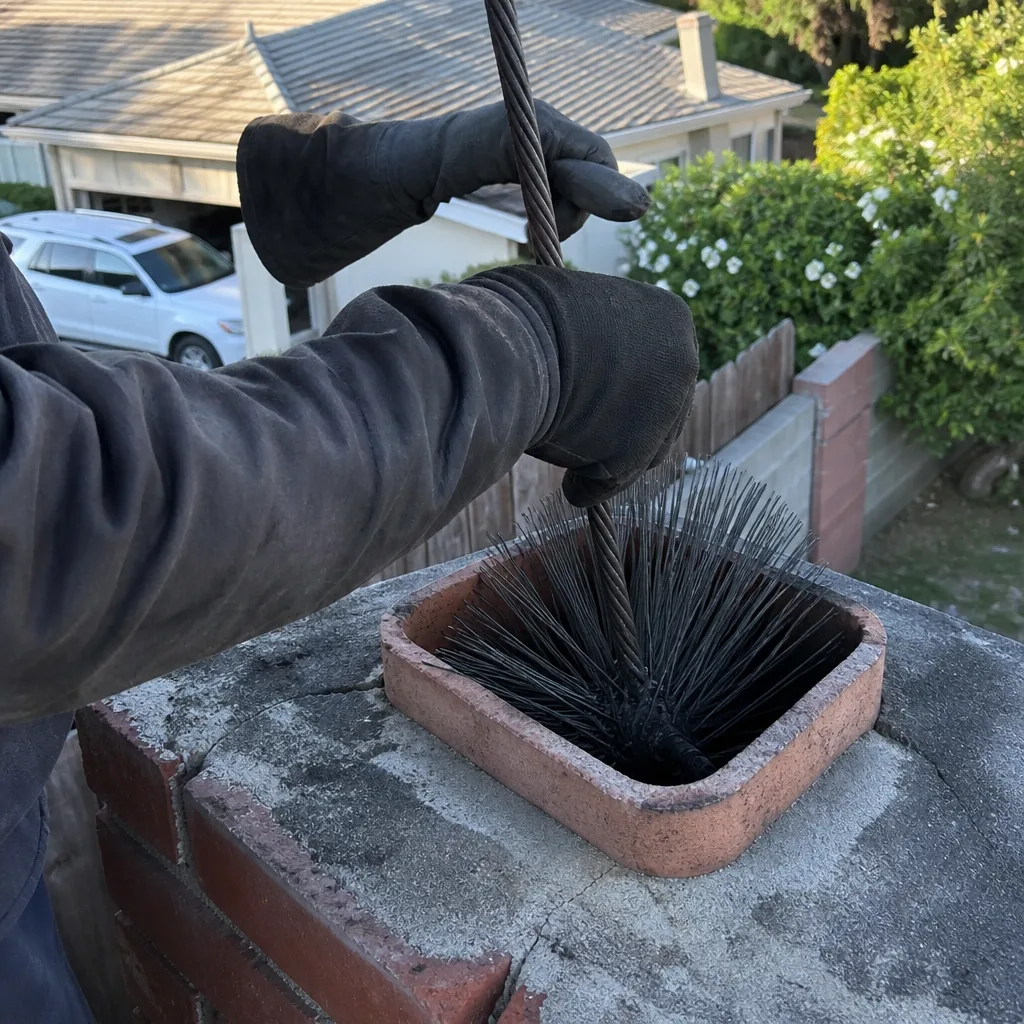
“Satisfaction guaranteed” is not a warranty. It’s a marketing phrase with no legal meaning. A legitimate warranty defines three things: what defects are covered, for how long, and what the company will do to fix them.
The Three Elements of a Real Warranty
- Covered defects: Specifically, what can go wrong that the company will fix? Examples: liner separation at joints, crown cracking within warranty period, water intrusion at cap installation points, creosote buildup exceeding safe levels after a professional sweep.
- Time period: Measured in days or years from completion date, not “lifetime” or “as long as you own the home” (which often means “until we go out of business”).
- Remediation process: How do you report a defect? Who inspects it? Is repair or replacement at the company’s discretion? Is there a service call fee?
The 365-Day Done Right Promise covers workmanship and material defects for one full year from the service date. If creosote returns at hazardous levels within 12 months of our sweep, we re-clean at no charge. If a cap we installed leaks at the base, we reseal or replace it. The process is in writing: call our live support line, we schedule a return visit, a technician verifies the defect with the same camera documentation, and we fix it.
Compare this to the vague “satisfaction guarantee” some competitors offer. We’ve met homeowners in Long Beach’s Naples Island and Bixby Knolls who were told they were “satisfied” when they weren’t, because no one defined what satisfaction meant or how to claim it.
For Fireplace Services in Long Beach, warranty language matters even more. Gas insert installations involve venting configurations that must perform under specific draft conditions. A written warranty that covers “proper operation” should define what proper operation means: flame appearance, CO levels, draft pressure readings. We document those baseline measurements so there’s no dispute later.
Red Flags in Online Reviews: Spotting Scope-Creep Tactics
Smart homeowners read the three-star reviews, not just the five-star ones. Here’s what to look for in Long Beach chimney company reviews that signals a company charges for inspection findings rather than disclosing them upfront.
Review Language That Signals Problems
- “They found all this other stuff once they got here”: The classic scope-creep pattern. The cleaning price was low because the company planned to upsell repairs after gaining access to your home.
- “The technician was very pushy about the liner”: High-pressure sales for expensive work without documentation to support it. A legitimate liner recommendation includes camera images showing cracks, gaps, or missing tiles, plus a written estimate you can review without the technician standing over you.
- “Charged me $89 to tell me I needed $3,000 in repairs”: The inspection-as-upsell model. The low initial fee is a loss leader to get a salesperson inside.
- “They said it was unsafe to use until I got it fixed”: Sometimes true, sometimes pressure. The difference is documentation: photos you can see, codes they can cite, and a second opinion they encourage rather than discourage.
- “Couldn’t get a straight answer about what was actually included”: Vague scope leads to disputed charges. Every service should have a written description before work starts.
Positive Review Language That Actually Matters
- “Showed me the photos and explained what I was looking at”: Documentation shared, not hoarded.
- “The price was exactly what they quoted”: No surprise additions.
- “Didn’t try to sell me anything I didn’t need”: Ethical scope management.
- “Gave me a report I could use for my insurance”: Documentation with external value.
We encourage potential customers to read our reviews with these patterns in mind. We also offer a Free Second Opinion on any written estimate from a competitor. Bring us their quote and their photos. We’ll review both and tell you whether the scope and pricing align with what we see in your flue.
Long Beach-Specific Considerations: Climate, Codes, and Neighborhoods
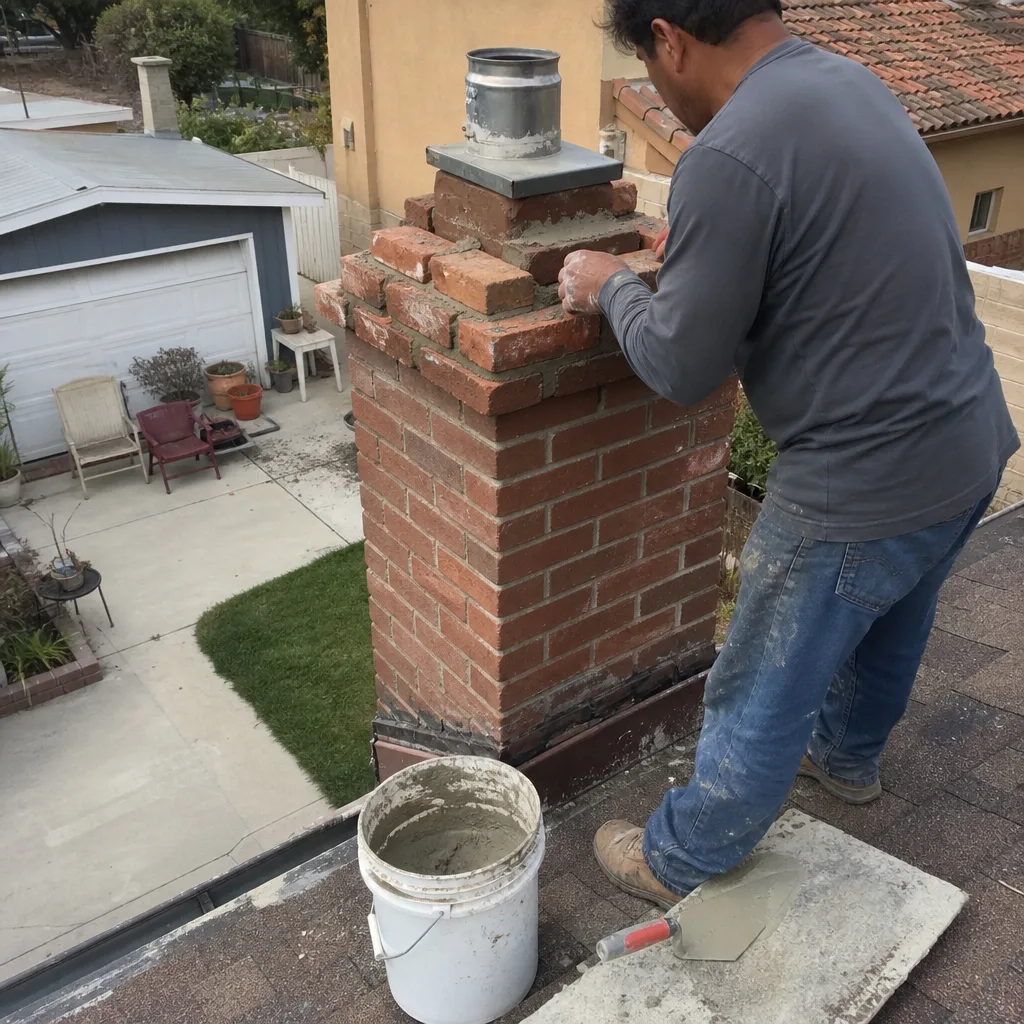
Long Beach’s coastal climate creates specific chimney conditions that inland contractors may not recognize. Hiring locally matters for reasons beyond convenience.
Marine Layer and Masonry Cycling
The Pacific marine layer rolls in most nights, keeping chimney masonry damp through early summer. In neighborhoods like Belmont Shore and Alamitos Heights, where 1920s-1940s homes cluster, we’ve seen accelerated spalling on exterior chimney faces. The brick surface flakes as moisture trapped in the masonry expands and contracts with temperature swings. A contractor unfamiliar with coastal California may attribute this to poor construction rather than normal environmental stress.
Salt Air and Metal Components
Within a mile of the water, stainless steel caps and spark arrestors corrode faster than manufacturer specifications suggest. We specify marine-grade materials from our supplier network - Famco and Copperfield components selected for salt-air resistance - when we work in Naples, the Peninsula, and oceanfront condos. Inland contractors using standard catalogs may not stock these alternatives.
Local Code and Permit Requirements
Long Beach Building and Safety requires permits for chimney rebuilds, liner replacements, and new fireplace installations. See Chimney Cleaning Permits, Codes & Inspections in CA: What You Need to Know for details on California requirements. The permit process includes inspection of the work at rough and final stages. A contractor who suggests “we can skip the permit to save you money” is exposing you to liability and potential resale complications. We pull permits on every job that requires them, and the permit number appears in your documentation.
Neighborhood Housing Stock Patterns
| Neighborhood | Typical Construction Era | Common Chimney Issues |
|---|---|---|
| Belmont Heights / Belmont Shore | 1920-1940 | Clay tile liner degradation; crown wash failure; earthquake-shifted flues |
| Bixby Knolls | 1930-1950 | Original construction without liners; smoke chamber corbelling deterioration |
| California Heights / Wrigley | 1910-1930 | Unlined brick chimneys; creosote glazing from decades of wood burning |
| Naples / Peninsula | 1950-1980, renovations | Metal prefab fireplaces; salt corrosion on chase covers and caps |
| Downtown / East Village | Commercial-to-residential conversions | Multiple flues in poor condition; venting conflicts with HVAC modifications |
We’ve worked in all of these neighborhoods. The camera footage from a 1925 California Heights chimney looks different from a 1975 Naples tract home, and we adjust our assessment criteria accordingly.
Common Mistakes to Avoid
- Booking based on lowest price without asking what’s included: A $99 sweep that doesn’t include camera documentation may cost you thousands in missed defects or upsold repairs. Compare scope, not just price.
- Assuming CSIA certification means camera inspection: Certification tests knowledge. It doesn’t mandate equipment or documentation practices. Ask specifically.
- Waiting until fall to schedule: Long Beach’s burning season runs November through March. Companies that document their work book solid by October. Schedule in spring or summer for better availability and potential off-season pricing.
- Accepting verbal estimates for repair work: Any recommendation for liner replacement, crown rebuild, or masonry repair should come with written scope, written price, and photo evidence. Verbal estimates are unenforceable.
- Ignoring the photo record after service: The documentation we provide under Clause 4 of the Haven Standard becomes valuable at resale, for insurance claims, and for tracking chimney condition over time. File it with your home records.
- Hiring unlicensed contractors for “minor” repairs: In California, even crown sealing and cap installation require appropriate licensing if performed for compensation. Unlicensed work voids some homeowners insurance policies and creates liability exposure.
- Not getting a second opinion on major repairs: A $4,000 liner replacement recommendation should never feel urgent without documentation you can verify. Our Free Second Opinion exists because we’ve found competitor estimates that recommended full replacement where HeatShield resurfacing was sufficient.
When to Call a Professional
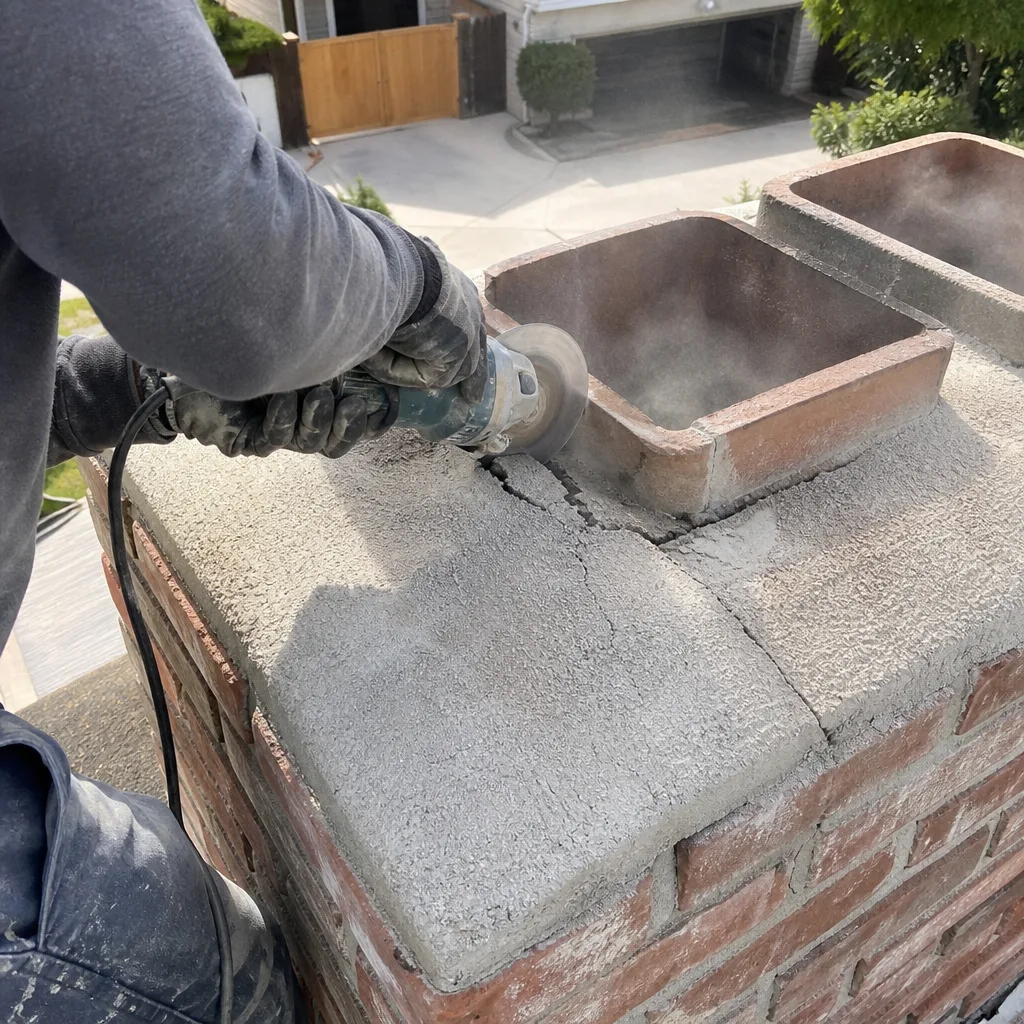
Call a chimney professional in Long Beach when you notice any of the following: visible creosote flakes in the firebox, smoke drafting into the room during use, a persistent odor from the fireplace in warm weather, white efflorescence staining on exterior brick, or any separation between the chimney and house structure. These symptoms indicate conditions that worsen with use and may create fire or carbon monoxide hazards.
After any seismic event, even minor ones, a camera inspection verifies that the flue liner remains intact and properly aligned. The 1933 Long Beach earthquake damaged thousands of chimneys, and modern seismic activity, while less severe, still stresses masonry systems.
Emberly Chimney Cleaners Long Beach offers free estimates in Long Beach. Call (424) 401-5585 to schedule. A live person answers 24 hours a day, 7 days a week. We’ll provide a written price before any work starts, perform an NFPA 211 Level 2 camera inspection, and deliver a documented photo record under Clause 4 of the Haven Standard.
Frequently Asked Questions
A professional chimney sweep in Long Beach with full camera documentation typically ranges from $250 to $450 for a standard NFPA 211 Level 2 inspection and cleaning. For detailed pricing factors, see our Chimney Cleaning Cost Breakdown: The Long Beach Homeowner’s Reference for 2026. Prices below $200 often exclude camera scans or include only a basic visual check. Call (424) 401-5585 for our exact written price - estimates are free.
You need a new liner only if the existing one is cracked, separated, missing, or improperly sized for your appliance - and only if those conditions are documented with camera images you can see. We’ve performed second opinions in Long Beach where competitors recommended full liner replacement for separations that HeatShield resurfacing could seal. Never approve liner work without dated photo evidence and a written scope defining the defect.
The NFPA recommends annual inspection for all chimneys, with cleaning frequency based on use and creosote accumulation. In Long Beach’s mild climate, where many homeowners use fireplaces intermittently rather than as primary heat, every 1-2 burning seasons is typical if you burn seasoned hardwood. Our Seasonal Chimney Cleaning Care for Long Beach: Year-Round Homeowner’s Guide explains how coastal weather patterns affect maintenance timing. Frequent use of manufactured logs or unseasoned wood accelerates creosote buildup and may require annual cleaning. The camera inspection determines your actual condition, not a calendar.
Skipped maintenance leads to three predictable outcomes: Class III creosote buildup that ignites at 451°F and causes chimney fires; cracked or separated liners that allow combustion gases including carbon monoxide to enter living spaces; and moisture intrusion that destroys masonry from the inside, turning a $300 sweep into a $4,000 rebuild. These risks are real but preventable. Call (424) 401-5585 for an inspection that shows your actual condition.
A Level 1 inspection is a visual examination of accessible portions of the chimney exterior and interior, performed without specialized equipment. A Level 2 inspection adds an internal camera scan of the flue, examination of attics and crawl spaces where chimney structure is visible, and assessment of clearances from combustibles. Level 2 is required at property sale, after chimney fire or seismic event, or when any change is made to the system. We perform Level 2 as our standard on every visit.
Homeowners can remove superficial ash and debris from the firebox, but flue cleaning and internal inspection require professional equipment and training. Chimney flues contain Class III creosote that is highly flammable and toxic to handle without respiratory protection. More critically, only a camera scan reveals liner condition, and damaged liners create carbon monoxide hazards invisible from below. For safety, hire a professional for flue work.
The Bottom Line
Hiring a chimney cleaning contractor in Long Beach comes down to one question: does the company document its work with camera evidence and written pricing before starting, or does it sell you findings after it’s inside your home? Ask the five phone questions. Read quotes for specific line items and fixed prices. Demand a warranty with defined terms. Check reviews for scope-creep patterns. And choose a contractor that knows Long Beach’s coastal climate, local codes, and neighborhood housing stock. Documentation isn’t an upgrade. It’s the minimum standard for work you can verify, warranty, and trust.
Written by Corrine Halstead, Owner at Emberly Chimney Cleaners Long Beach, serving Long Beach since 2009.