
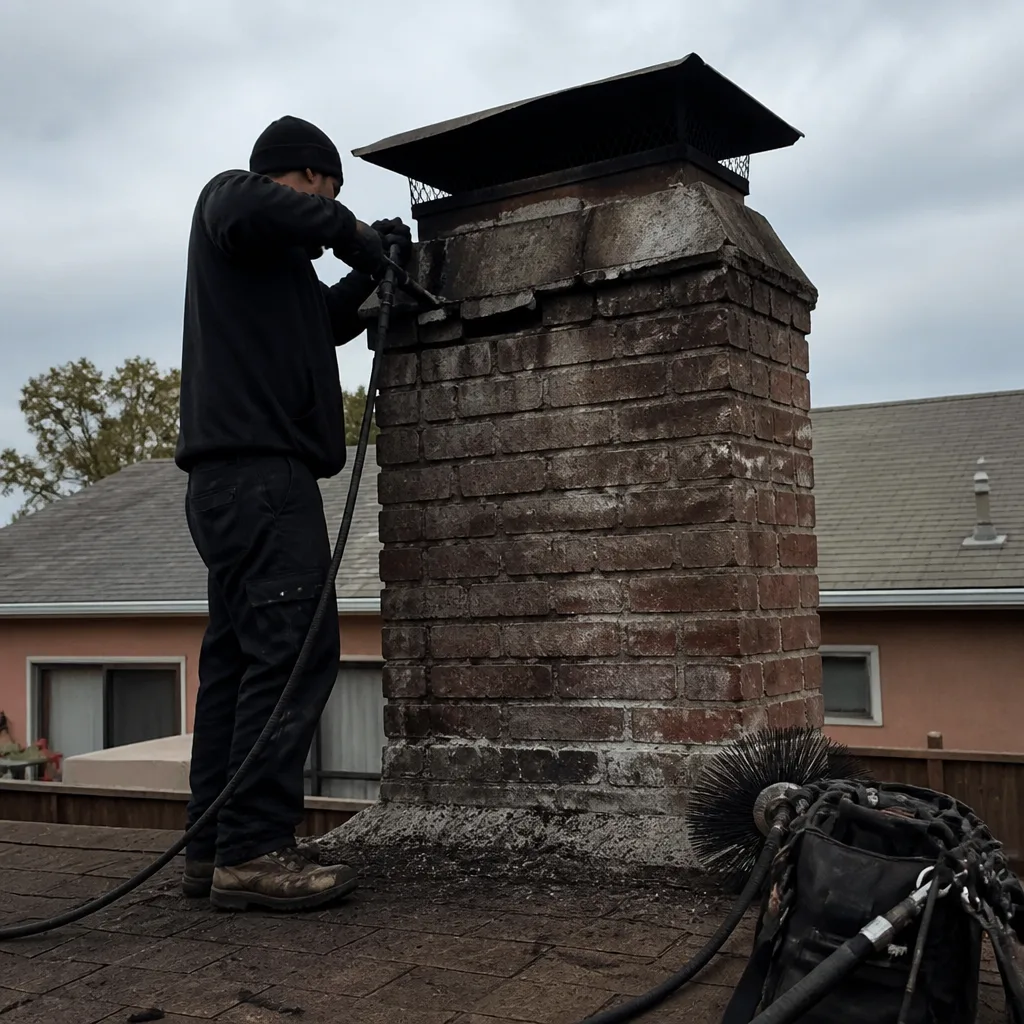
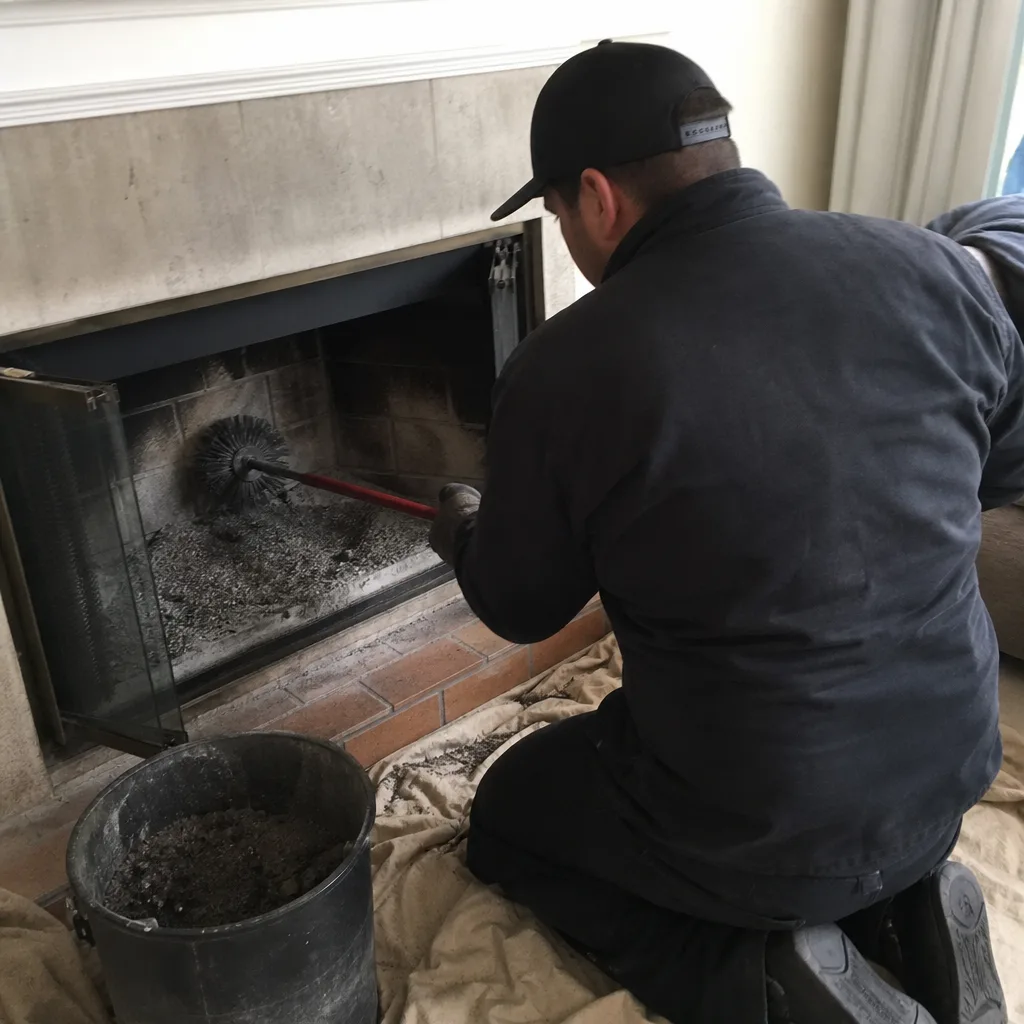
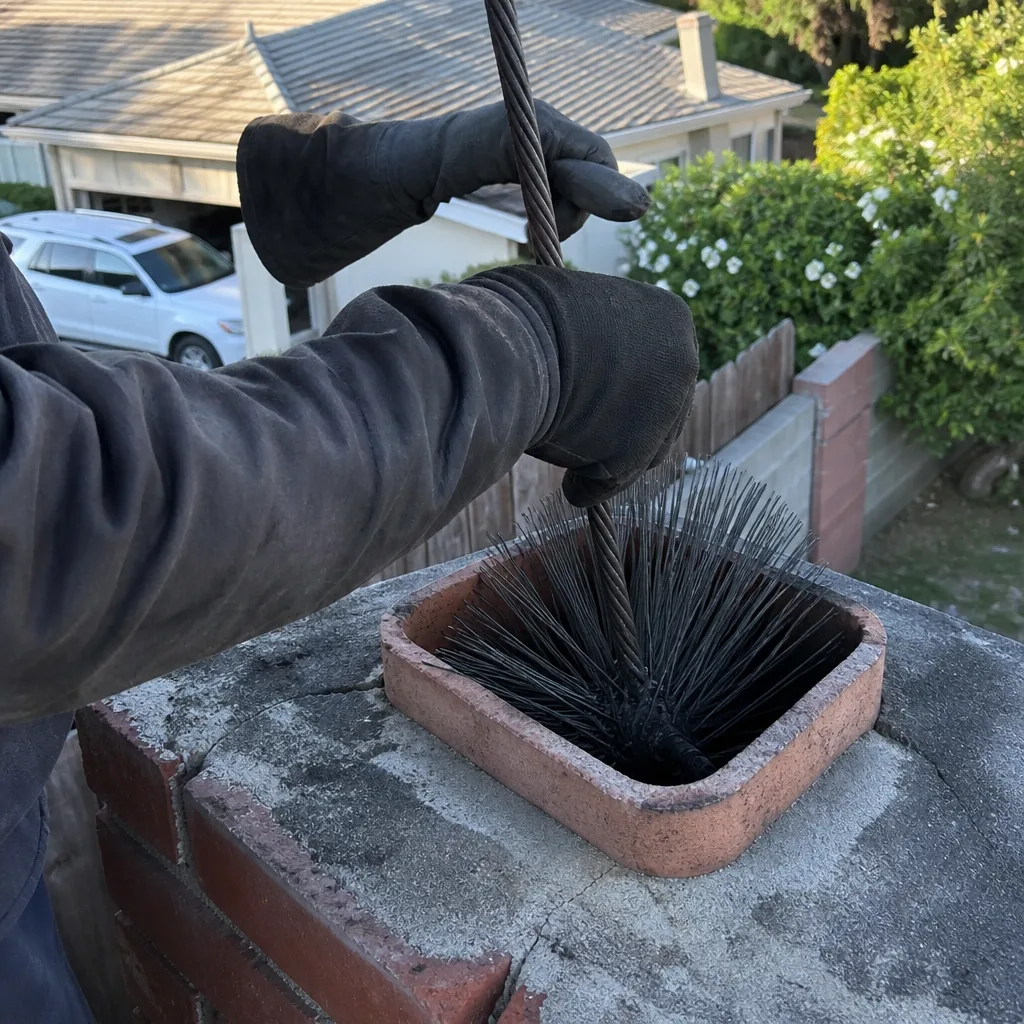
Level 1 sweep and inspection to the NFPA 211 annual standard - flue, crown, cap, and flashing checked and photographed
Chimney sweep logs do not sweep chimneys. They loosen some creosote - which then falls where a brush and vacuum still have to collect it.
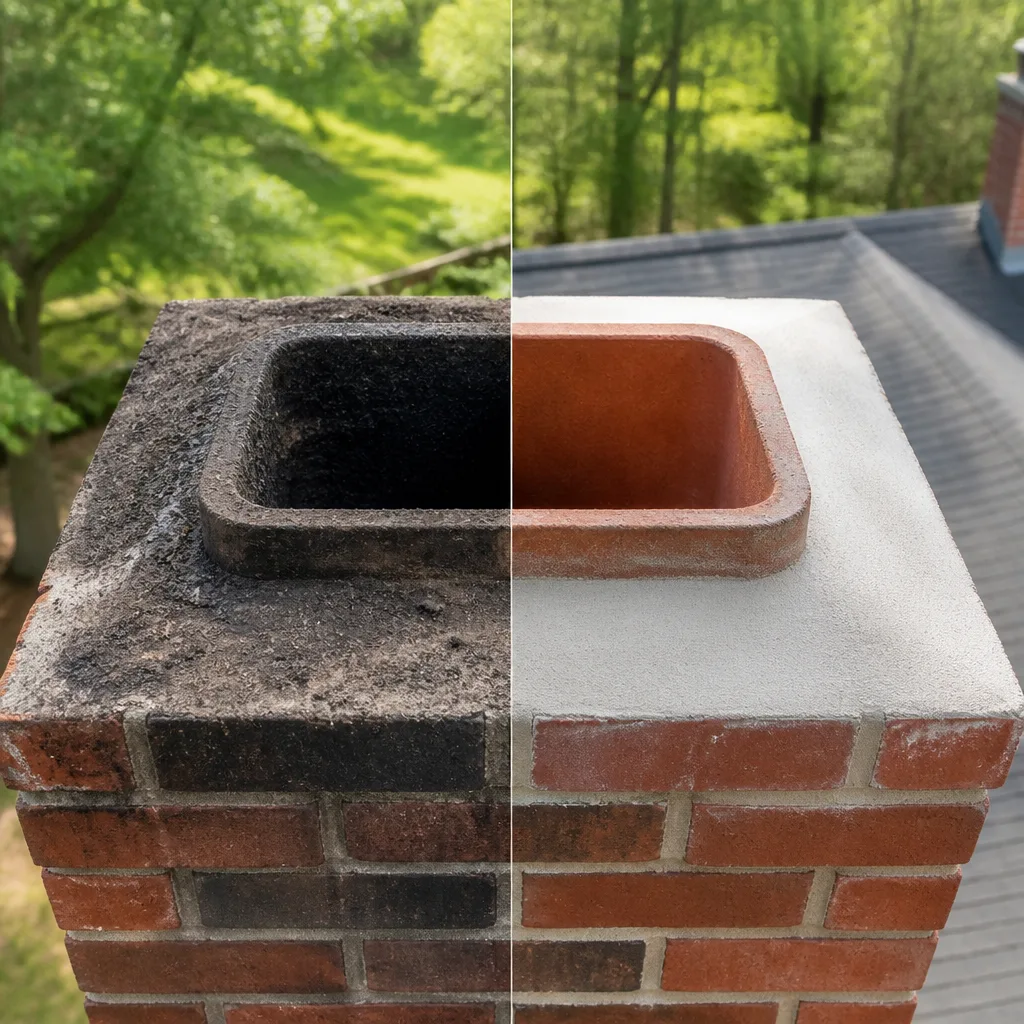
 Before
 After
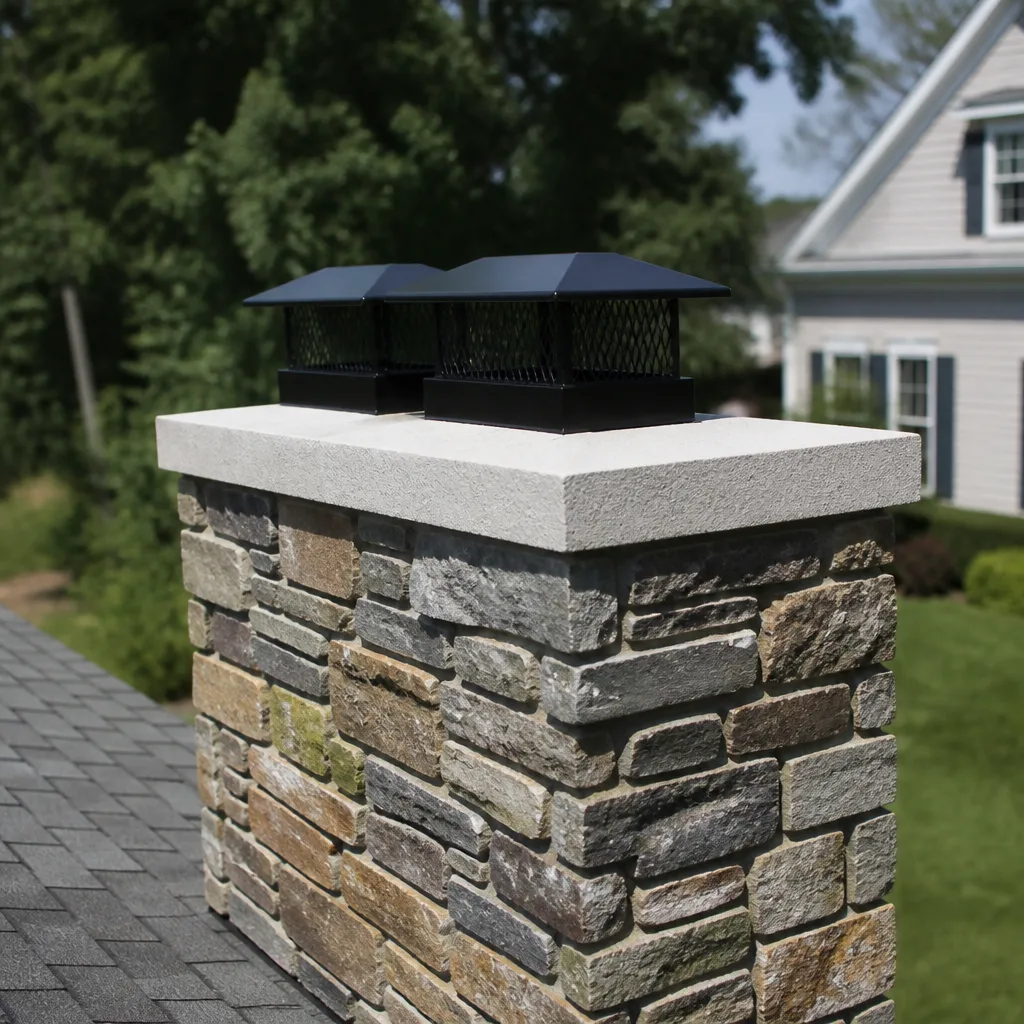
After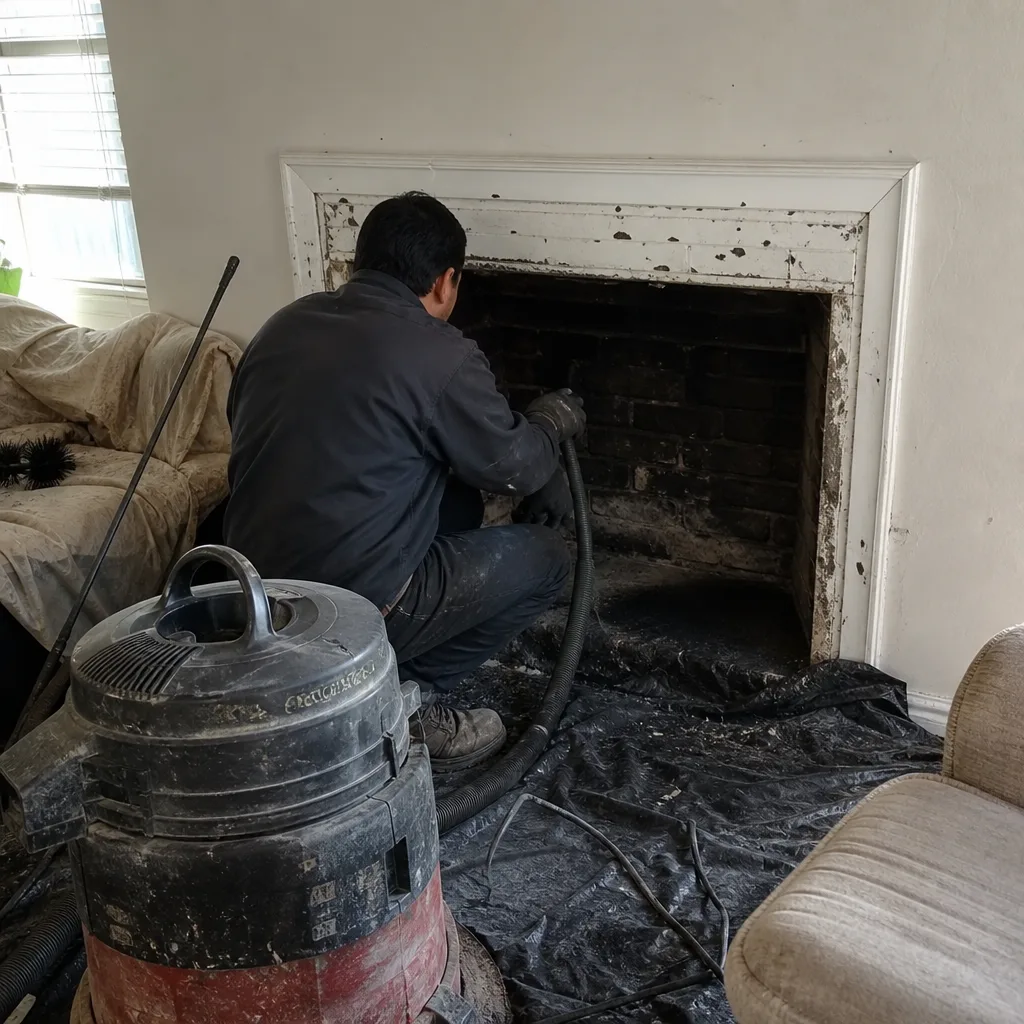 Before
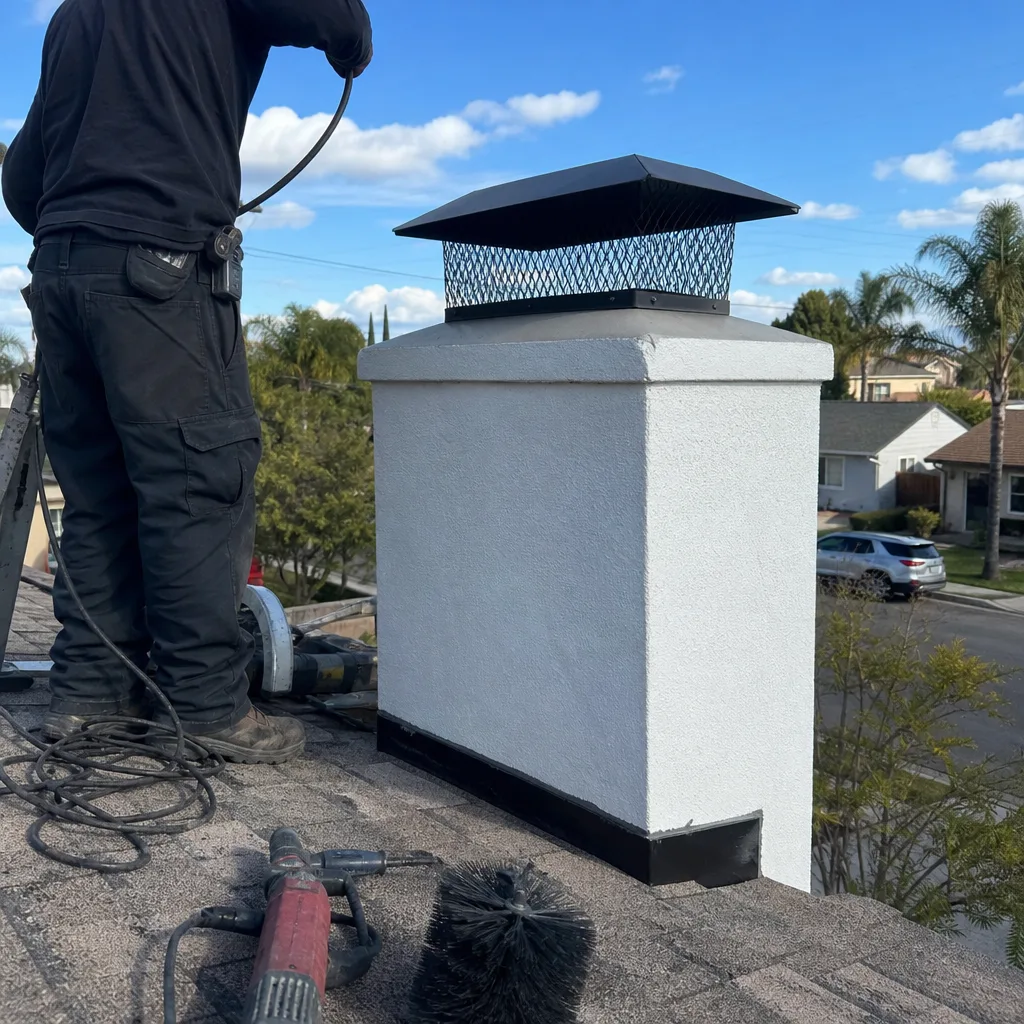 After
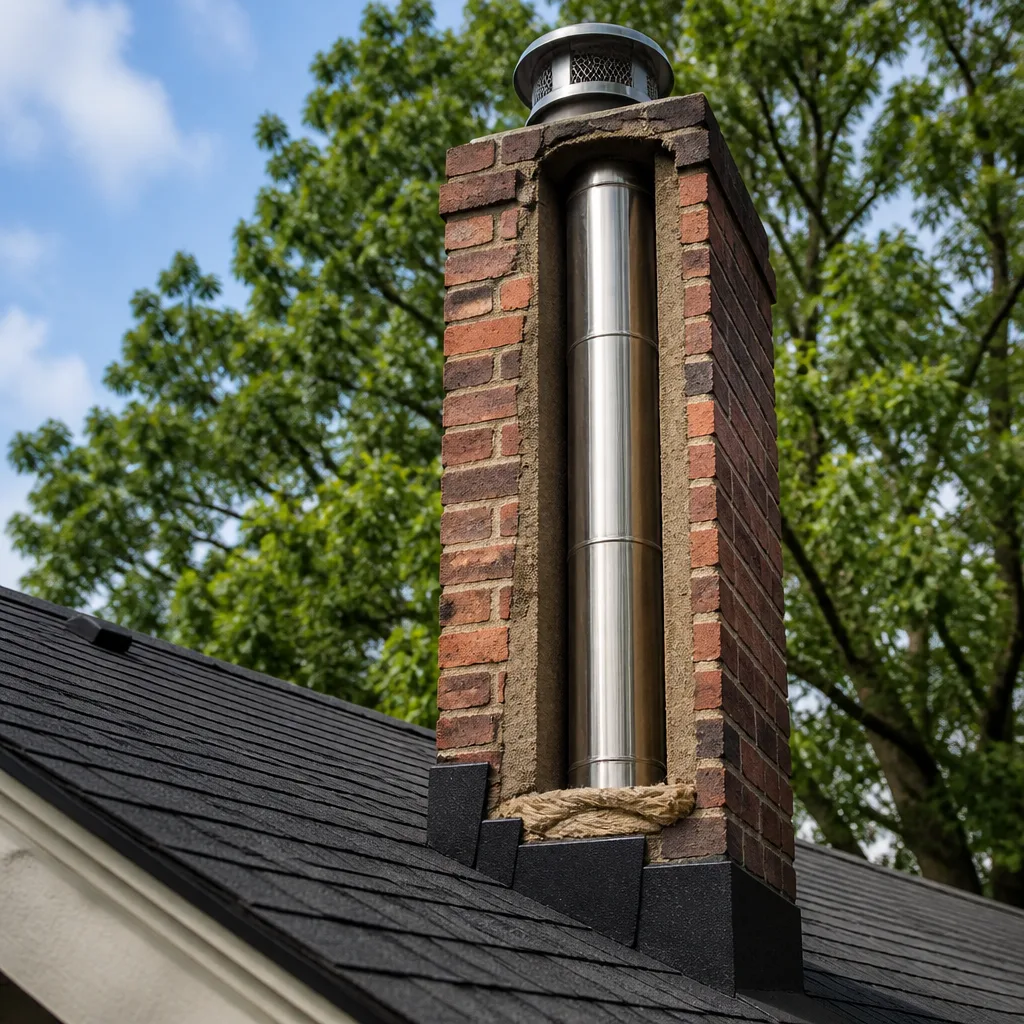
After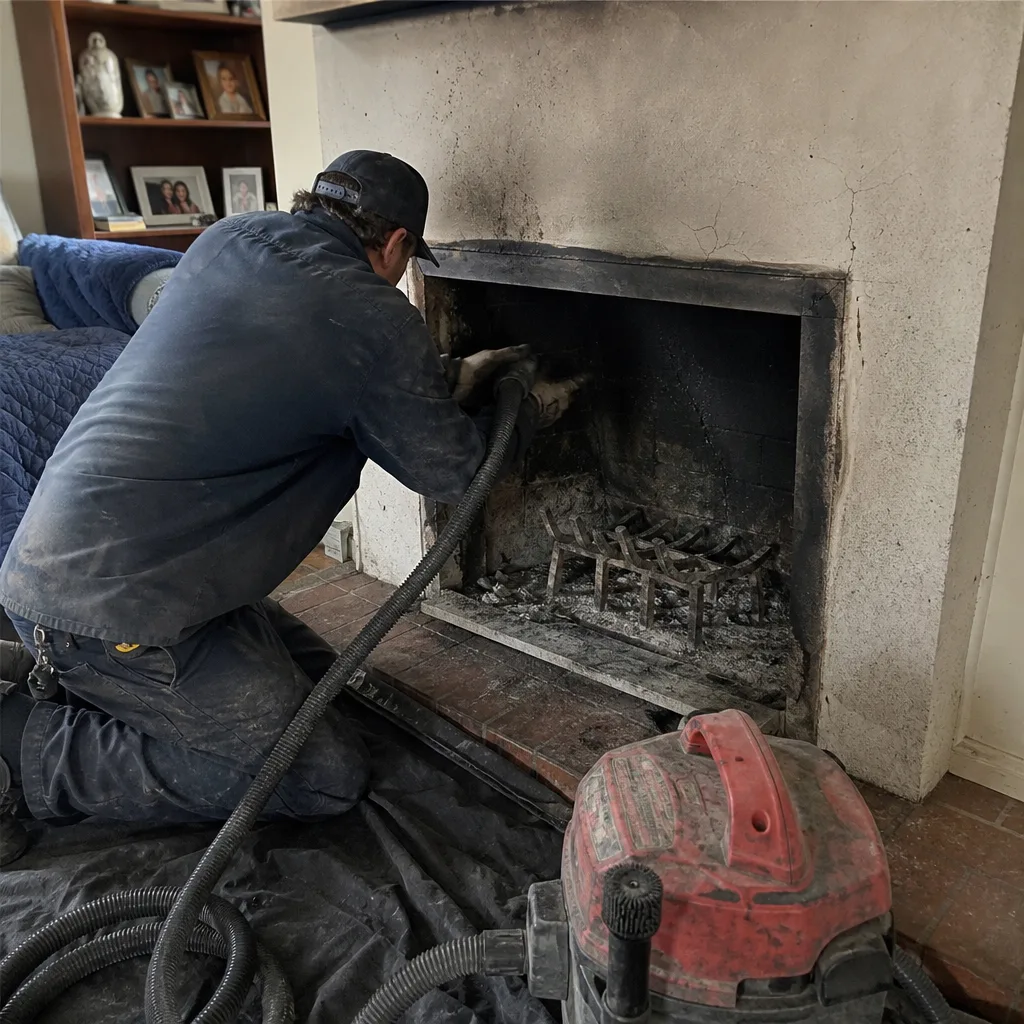 Before
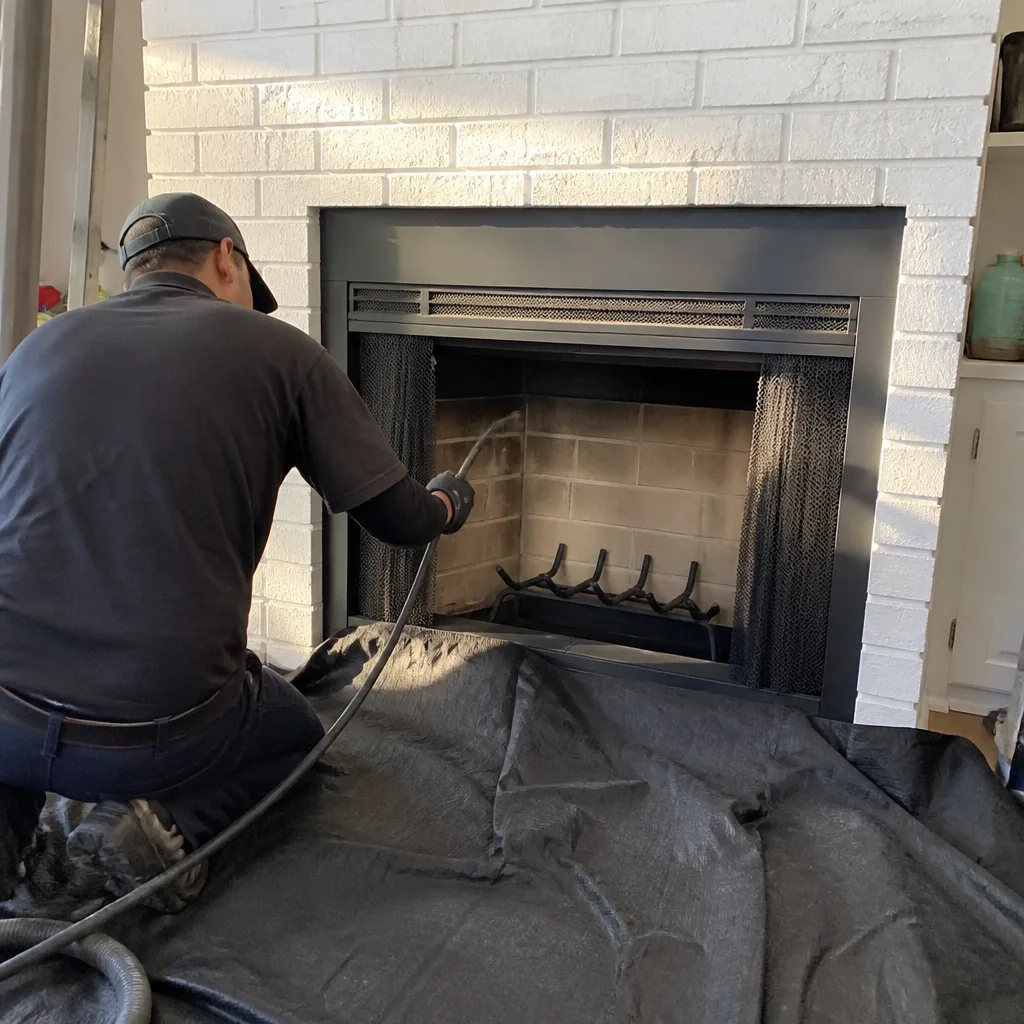 After
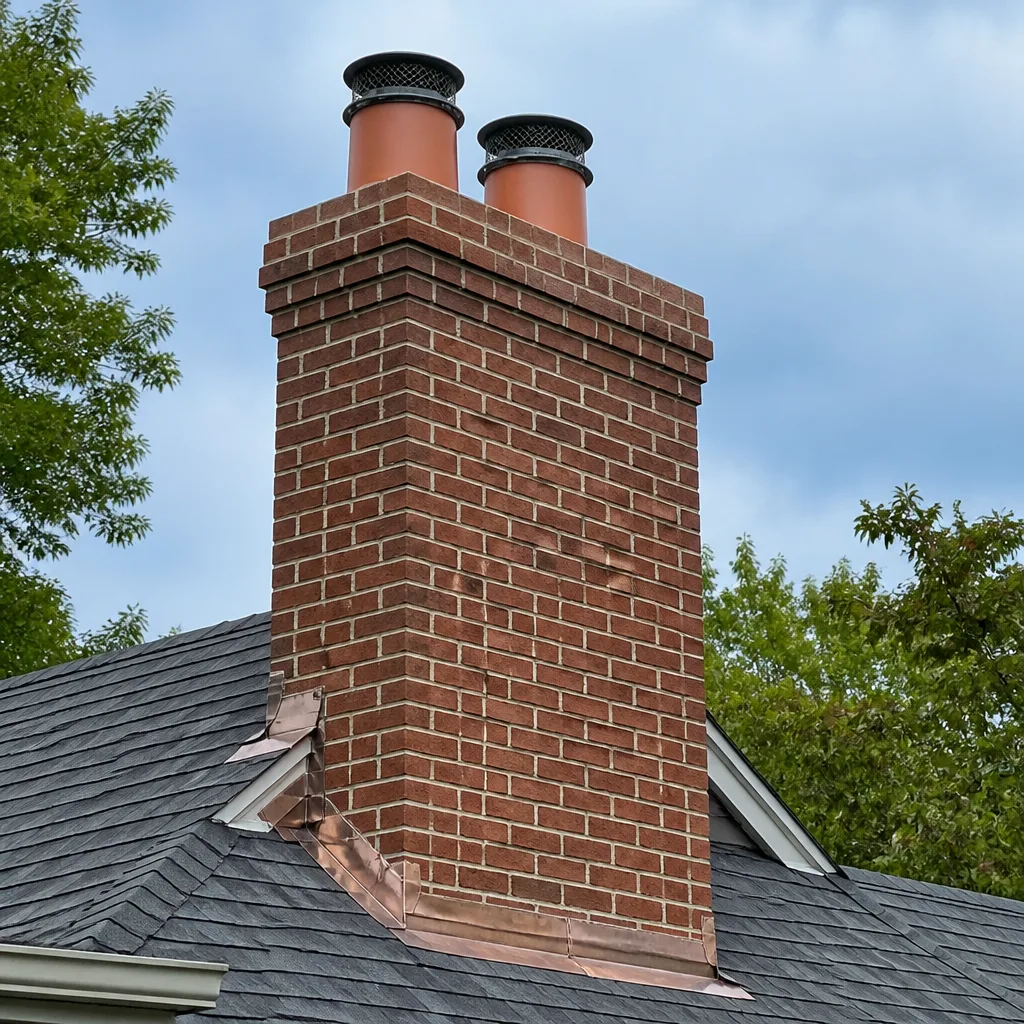
AfterMortar Repointing in Long Beach, CA
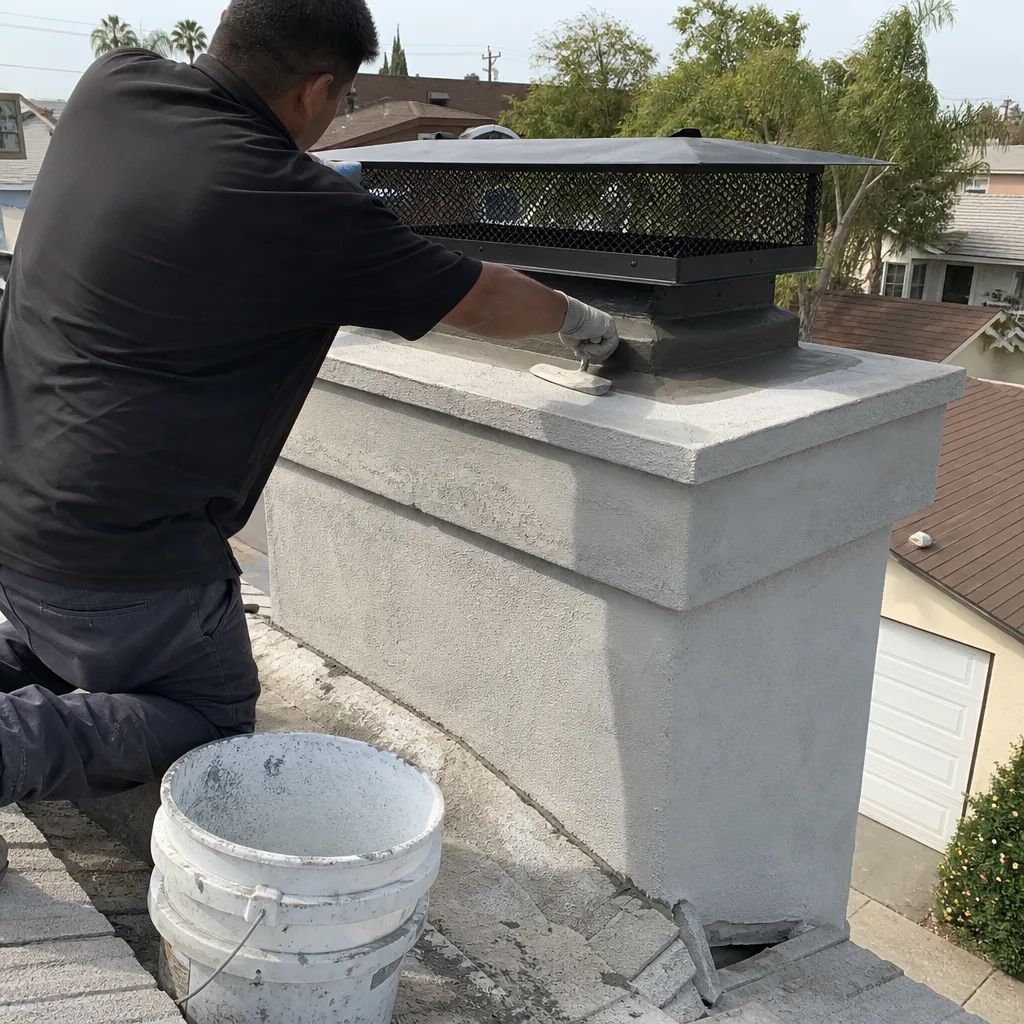
Mortar repointing in Long Beach typically costs between $400 and $1,800, depending on how much of the chimney’s mortar joint surface needs work and how far deterioration has progressed. Most jobs are completed in a single visit, and every one of them starts with a written price – no exceptions, no surprises after the work is done.
If you’ve noticed white powder streaking down your chimney’s brick face, gaps where the gray mortar between bricks used to be, or loose bricks that wiggle when you press them, those are mortar joints telling you they’re done. Long Beach’s coastal air is hard on masonry. The salt, the moisture cycling from morning marine layer to afternoon dry heat, and the occasional rain-then-bake sequence that comes with Southern California winters all pull at mortar joints year after year. By the time most homeowners in Belmont Shore or Bixby Knolls notice something’s off, the mortar has already been failing quietly for a couple of seasons.
Repointing – the process of cutting out deteriorated mortar and packing fresh mortar back in – stops that cycle before it becomes a full chimney rebuild. It’s one of the most cost-effective repairs in masonry, and it’s a core part of the Chimney Repair in Long Beach work we do every week. Call us at (424) 401-5585 to schedule a camera-scan inspection and get a written price before anyone touches your chimney.
When You Need Mortar Repointing
- Efflorescence on the brick face. That chalky white residue – efflorescence – forms when water moves through brick and carries dissolved salts to the surface. In Long Beach’s coastal neighborhoods like Naples Island, where salt-laden ocean air is already working on your masonry, efflorescence is usually the first visible sign that mortar joints have opened enough to let water in.
- Visible gaps or recessed joints. Healthy mortar sits flush with or slightly recessed below the brick face. When you can slide a coin, a key, or even a fingernail into the joint without resistance, water has already found that path – and so will your next rainstorm.
- Crumbling or sandy mortar texture. If you press a joint and it crumbles like dry sand rather than holding firm, the mortar has lost its compressive strength. This is extremely common in older Craftsman bungalows in the California Heights neighborhood, where original 1920s mortar has simply reached the end of its service life.
- Spalling brick faces. Spalling means brick faces are flaking or popping off in layers. It happens when water saturates brick, freezes – or in Long Beach’s case, goes through enough expansion-contraction cycles – and fractures the clay face. Spalling often follows deteriorated mortar joints because that’s where water entered first.
- Staining or damp spots on interior walls near the fireplace. Water tracking through failing mortar joints on the chimney exterior can migrate inward and show up as discoloration on the drywall or plaster adjacent to the firebox. We’ve tracked this pattern regularly in homes along the El Dorado Park corridor, where chimneys face both the sun and prevailing southwest winds.
- A recent Level 2 inspection flag. Our NFPA 211 Level 2 camera-scan inspection documents the exterior masonry condition alongside the flue interior. When the written inspection report notes mortar joint failure at a percentage of joints, that’s the clearest signal repointing belongs on the repair list before the next heating season.
Our Mortar Repointing Process
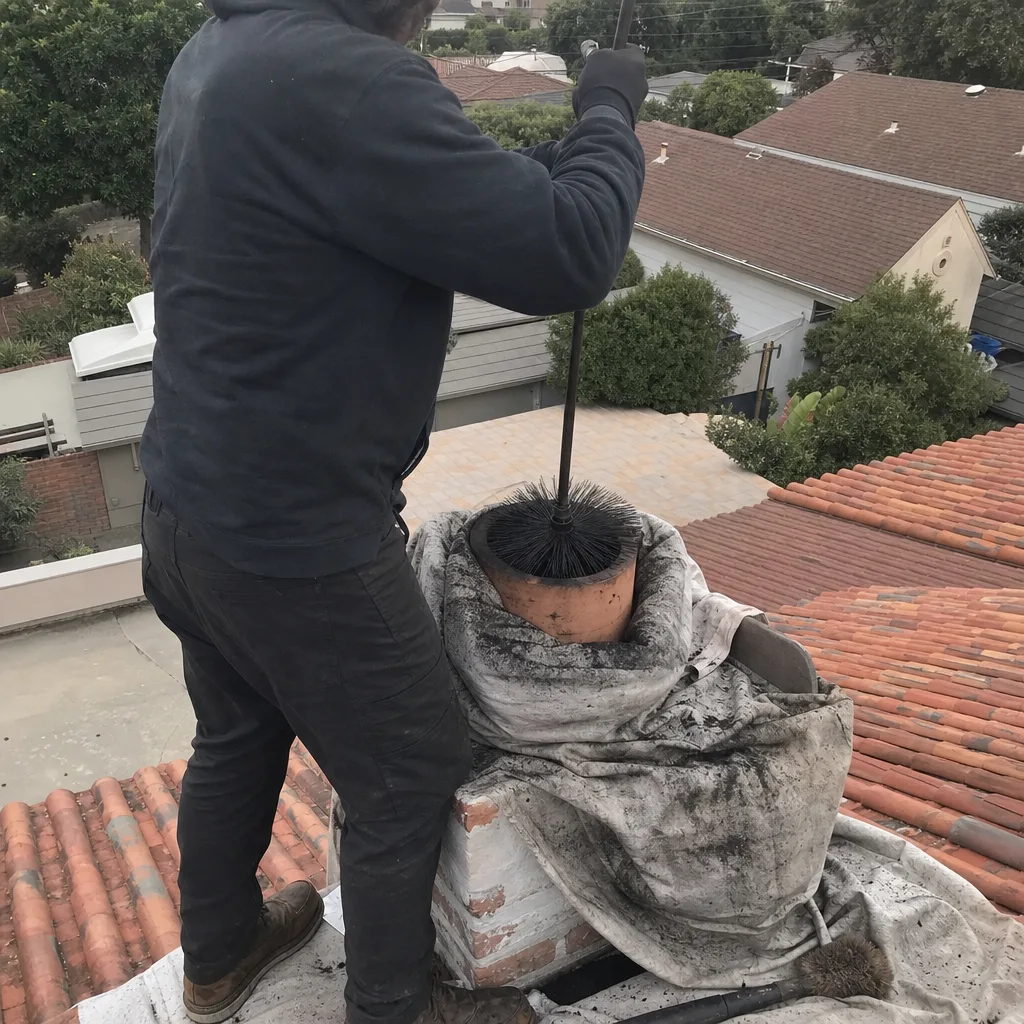
- Camera-scan inspection and written scope. Before any mortar gets cut, we run the NFPA 211 Level 2 inspection – camera down the flue, exterior masonry documented with photos, crown and cap checked. The written inspection report tells you exactly what percentage of joints are failing, where active water intrusion paths are, and what the repair scope covers. This is Clause 4 of the Haven Standard: you get the documented photo record, not a verbal summary.
- Written price delivered before work starts. Haven Standard Clause 1 means the written price, written scope, and written warranty are in your hands before a single tool comes off the truck. The number on that paper is the number on your invoice. We don’t discover additional costs once we’re already on your roof.
- Mechanical cutting of deteriorated mortar joints. We cut out failing mortar to a minimum depth of three-quarters of an inch – usually closer to an inch – using angle grinders and oscillating tools. Going shallow is a common shortcut; it’s also why repointing jobs fail in five years instead of lasting twenty. Depth matters because new mortar needs a surface area to bond to, and skimming over old mortar is not repointing.
- Joint cleaning and prep. Cut joints get blown clear of dust and debris with compressed air, then dampened before new mortar goes in. This step keeps the existing brick from pulling moisture out of the fresh mortar too fast, which causes premature shrinkage and cracking – a failure mode we see often when other contractors skip the prep on dry summer days in Long Beach.
- Mortar mixing and packing. We match the mortar type – usually a Type S or Type N mix depending on your chimney’s age and brick hardness – to what the original masonry requires. Overly hard mortar (Portland-heavy Type M) in older soft brick causes the brick face to crack rather than the joint, which is the opposite of the result you want. The mix is packed in layers and tooled to match the joint profile of your existing masonry.
- Final photo documentation and warranty confirmation. When the work is done, we photograph the completed joints, update the job record, and hand you the written 365-Day Done Right Promise. If anything about the repointing isn’t right within that period, we come back and make it right – no charge, no argument.
 Before
 After
AfterMortar Repointing Pricing in Long Beach
Mortar repointing in Long Beach runs between $400 and $1,800 for most residential chimneys. Here’s what drives the range:
| Scope | Typical Price Range |
|---|---|
| Spot repointing – isolated joint failure, accessible sections only | $400 – $650 |
| Partial repointing – one or two exposed faces, moderate deterioration | $650 – $1,100 |
| Full repointing – all four faces, significant joint failure throughout | $1,100 – $1,800 |
| Full repointing with chimney crown repair included | $1,400 – $2,400 |
A few factors push a job toward the higher end of those ranges:
- Chimney height above the roofline – anything over ten feet requires different staging and takes more time
- Steep roof pitch, which is common in some of the older homes in the Wrigley neighborhood
- Brick type – softer historic brick requires more careful mortar matching and slower cutting
- Access constraints – in Long Beach’s denser blocks near Downtown and the Traffic Circle area, tight lot lines can make scaffold placement slower
- Combined repairs – if the crown is failing at the same time (common, because the crown and the joints usually fail together), bundling both saves a second mobilization cost
Every price we give you is written down before work starts – that’s not a selling point, it’s the only way we operate. Call (424) 401-5585 and we’ll schedule the inspection, document what we find, and hand you a written number. If you already have a written estimate from another company, bring it in: we offer a free second opinion on any written quote.
FAQs – Mortar Repointing
How long does repointed mortar last in Long Beach’s climate?
Well-executed repointing with properly matched mortar lasts 20 to 30 years in Long Beach’s coastal climate – sometimes longer on chimneys that are sheltered from direct ocean exposure. The key variables are mortar type selection, joint depth, and prep work. Joints that were cut shallow or packed with the wrong mortar mix (a too-hard mix in older soft brick is a common failure) tend to crack or separate within five to eight years. We document the mortar type used on every job so there’s a record if questions come up later. Call (424) 401-5585 for a written scope that spells out exactly what mix and method we’re using on your chimney.
Can I seal the joints with caulk instead of repointing?
No – silicone or elastomeric caulk is not a substitute for mortar repointing, and using it will accelerate damage rather than stop it. Caulk doesn’t bond properly to brick at the joint depth, it traps moisture behind the face, and it prevents the chimney from breathing the way masonry is designed to. We see this workaround fairly often in Long Beach on chimneys where a previous owner tried to defer the repair cost. By the time we’re called in, the underlying joint is worse and there’s now caulk residue to clean out before proper repointing can happen. Repointing is the right fix; caulk is a cosmetic patch that buys weeks, not years.
Do I need a permit for mortar repointing in Long Beach?
Mortar repointing of an existing chimney in Long Beach generally does not require a building permit when it’s a like-for-like repair of deteriorated joints without structural modification. If the repair scope expands to include a partial rebuild of the chimney stack, a new liner installation, or significant structural work, permit requirements apply under the City of Long Beach Building and Safety Bureau’s residential masonry code. Our written inspection report clearly identifies whether your repair scope crosses into permit territory, and we handle that conversation before work starts – not after.
What’s the difference between repointing and tuckpointing?
Repointing and tuckpointing are often used interchangeably, but they’re technically different. Repointing means cutting out failing mortar and replacing it with fresh mortar that matches the existing color and type – the goal is a structurally sound, weather-tight joint. Tuckpointing is a decorative technique where two contrasting mortar colors are used to make brick joints look sharper and more uniform, often applied over structurally sound but visually worn masonry. What most Long Beach homeowners need is repointing – the structural repair. If you’ve heard a contractor use both terms in the same sentence without explaining the difference, that’s worth clarifying before the job starts. Our written scope will tell you exactly which process is being done and why.
What to Expect Working with Emberly Chimney Cleaners Long Beach
We’ve been running camera-scan inspections since 2009 – before most insurers or home inspectors were asking for that level of documentation. That practice became Clause 4 of the Haven Standard because a written photo record protects you the same way a written price does: it removes the guesswork about what was actually found and what was actually done. Across more than 38,000 chimney inspections and cleanings, we’ve seen what Long Beach’s coastal air does to masonry over time, and repointing is one of our Chimney Repair services that shows up on inspection reports more consistently here than in inland Southern California markets.
Our technicians are background-checked, uniformed, and assigned by name before your appointment. You’ll get a text when they’re on the way. The written price, written scope, and written warranty are delivered before anyone touches your chimney – Haven Standard Clause 1, every time. If the job isn’t right within 365 days, we come back and make it right. That’s the Done Right Promise, and it’s stamped on every job.
Materials for repointing and related repairs are sourced through Haven’s buying network – suppliers like Olympia Chimney and Copperfield – specifically to keep procurement costs from inflating what you pay. You’re not paying a retail markup on materials that get billed at the end without prior disclosure.
If you’ve landed on this page from a search for chimney repair in Long Beach, the broader home page has a full picture of what we cover. For the complete range of masonry and structural chimney work, including crowns, caps, and liner repairs, see our Chimney Repair in Long Beach page.
Schedule Your Inspection and Written Estimate
If your chimney is showing gaps, crumbling joints, white staining, or any of the other signs we’ve described above, the right next step is a camera-scan inspection and a written price – not a guess and not a verbal estimate you can’t hold anyone to. Call Emberly Chimney Cleaners Long Beach at (424) 401-5585 and we’ll get you scheduled. Live phone support runs every day of the year; you won’t reach a voicemail or a web form. Bring a competitor’s written estimate and we’ll give you a free second opinion on it.
Written by Corrine Halstead, Owner at Emberly Chimney Cleaners Long Beach, serving Long Beach.