
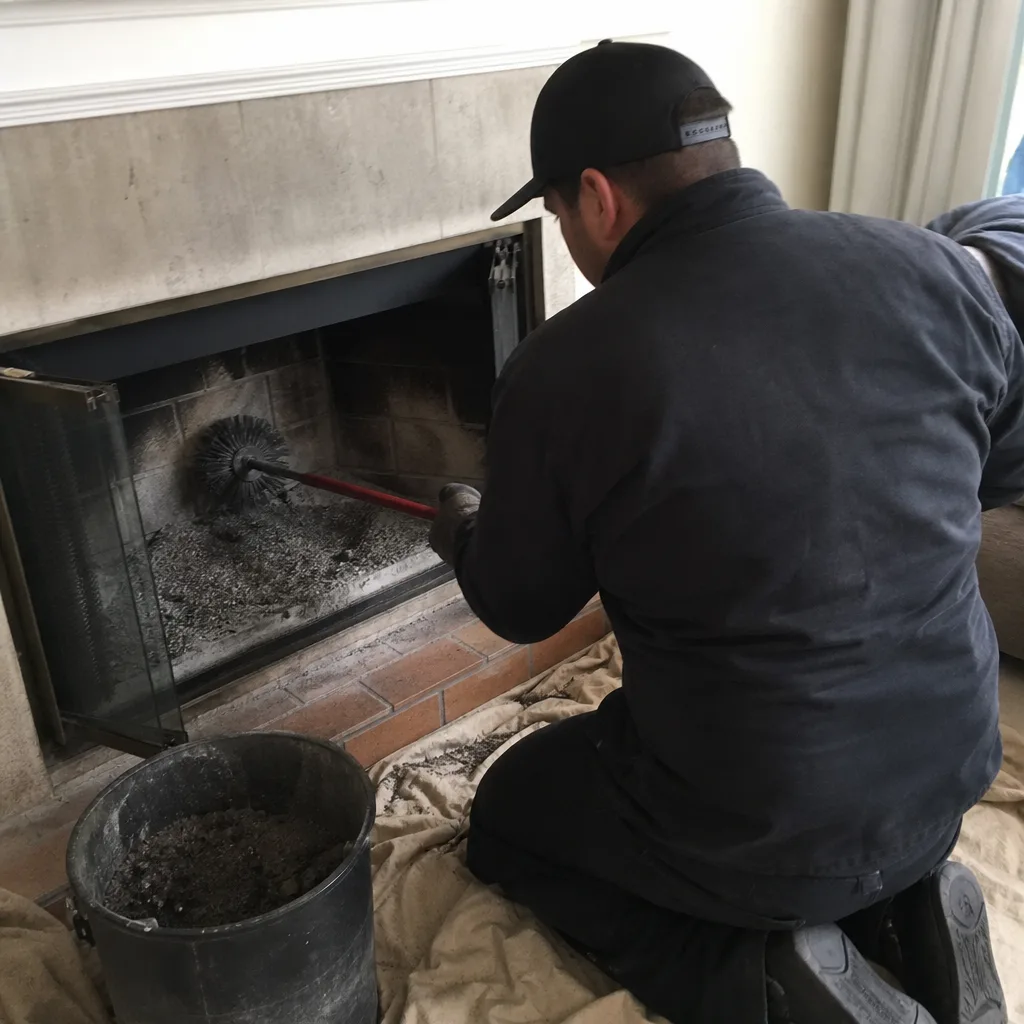
Level 1 sweep and inspection to the NFPA 211 annual standard - flue, crown, cap, and flashing checked and photographed
Chimney sweep logs do not sweep chimneys. They loosen some creosote - which then falls where a brush and vacuum still have to collect it.
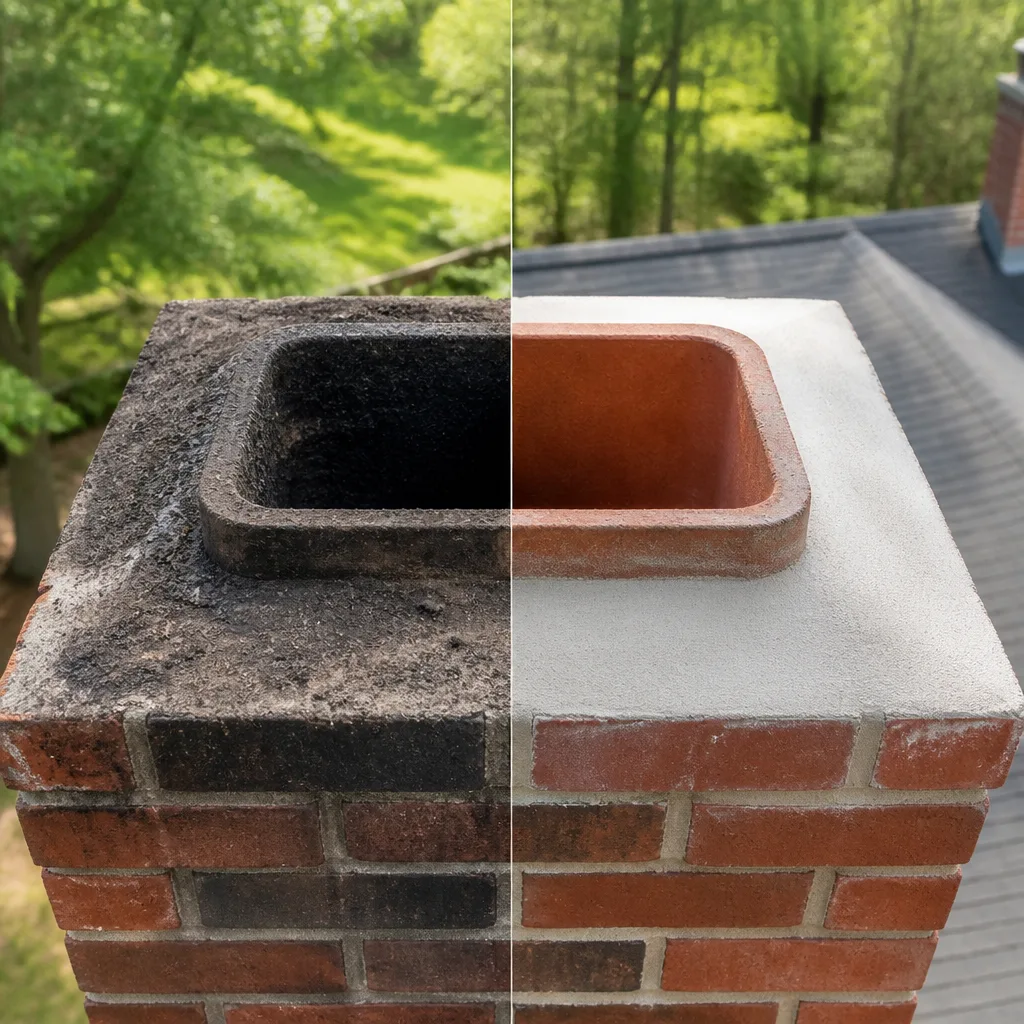
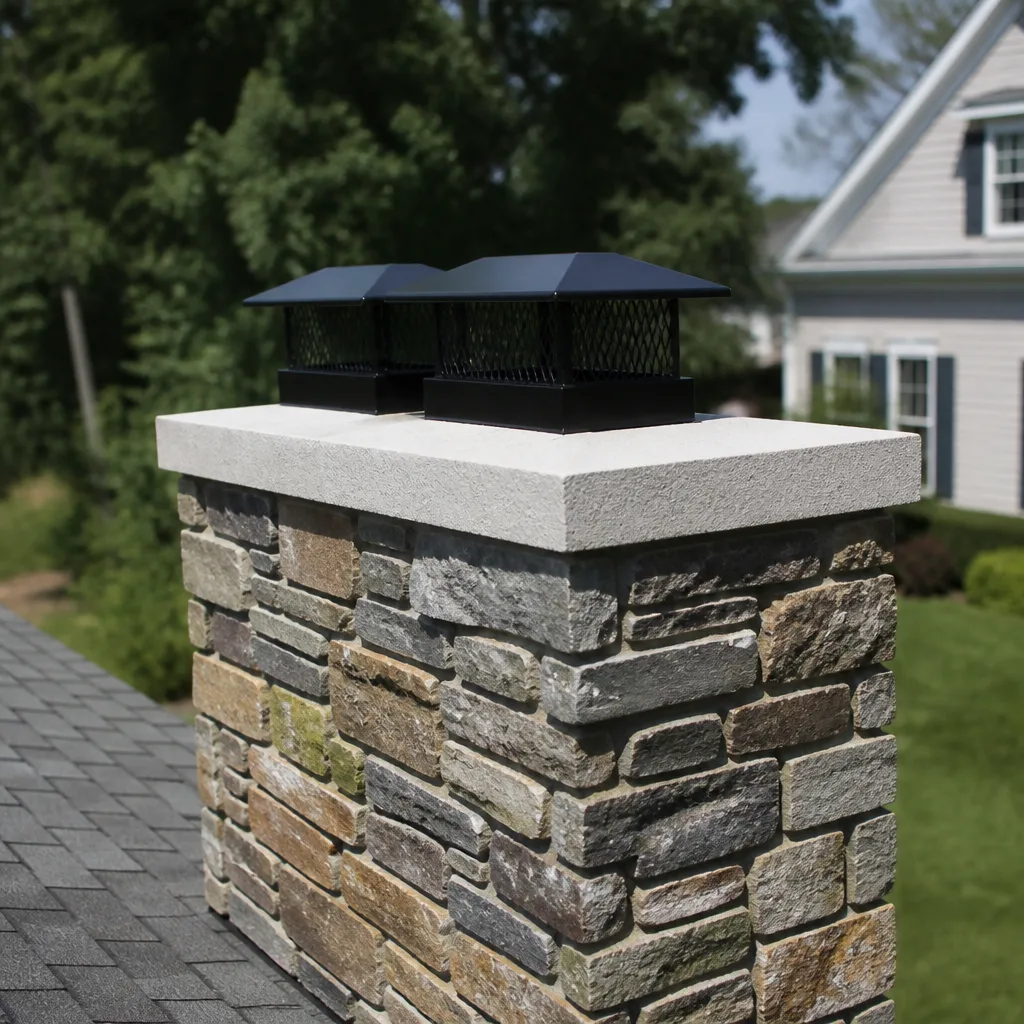
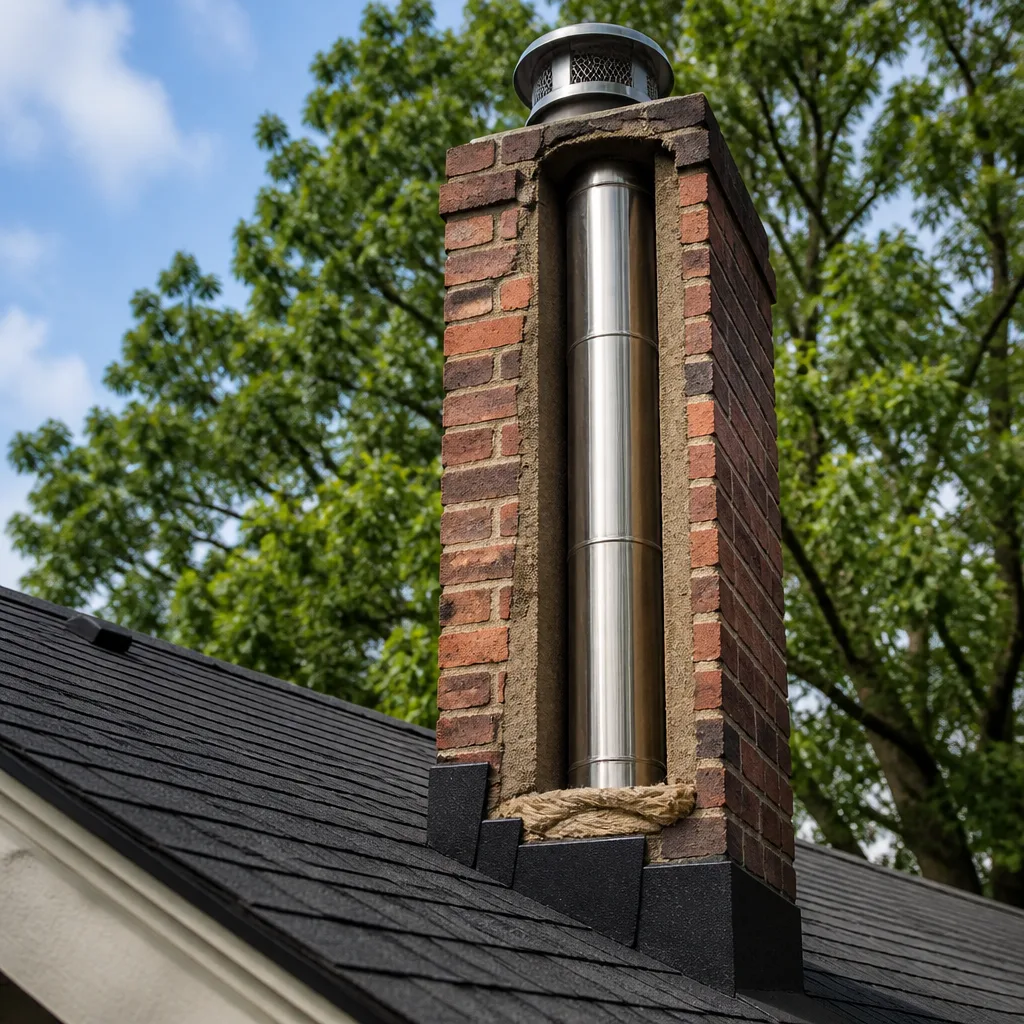
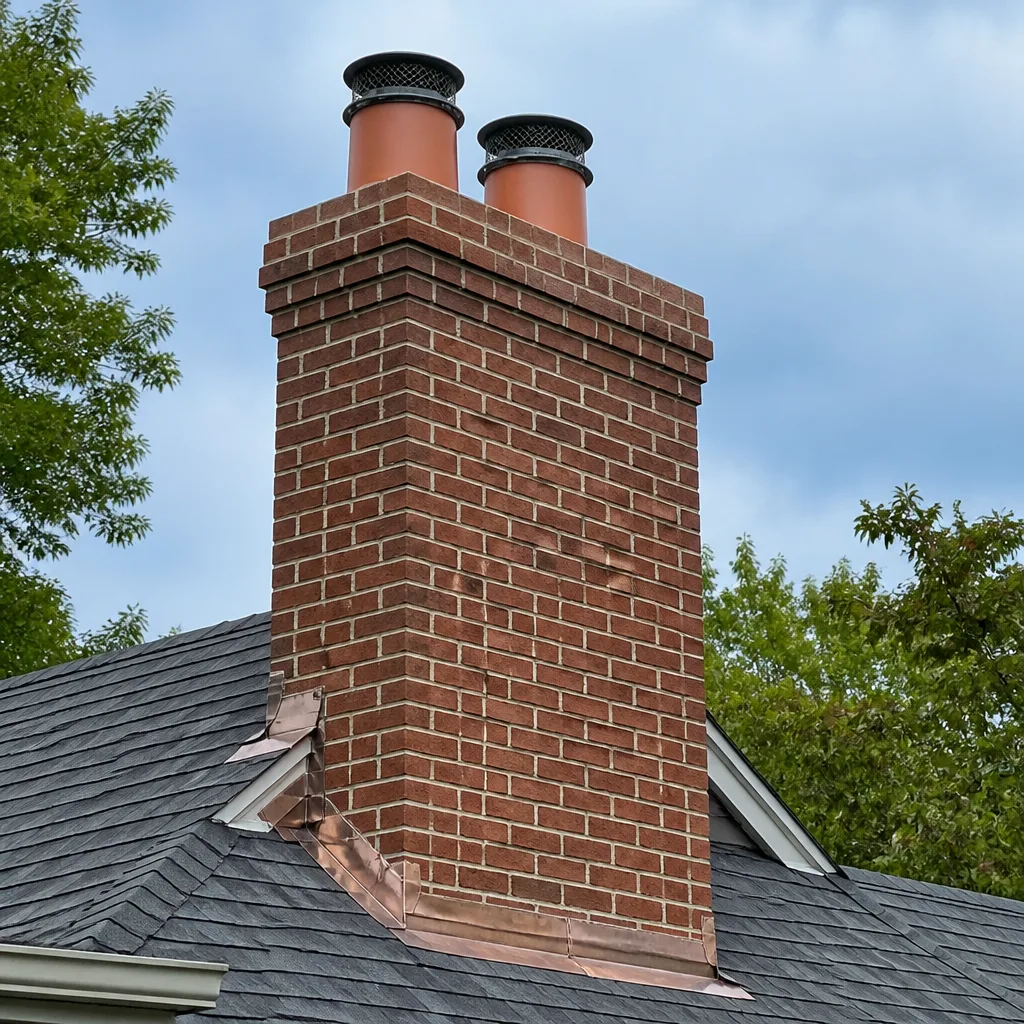
 Before
 After
After Before
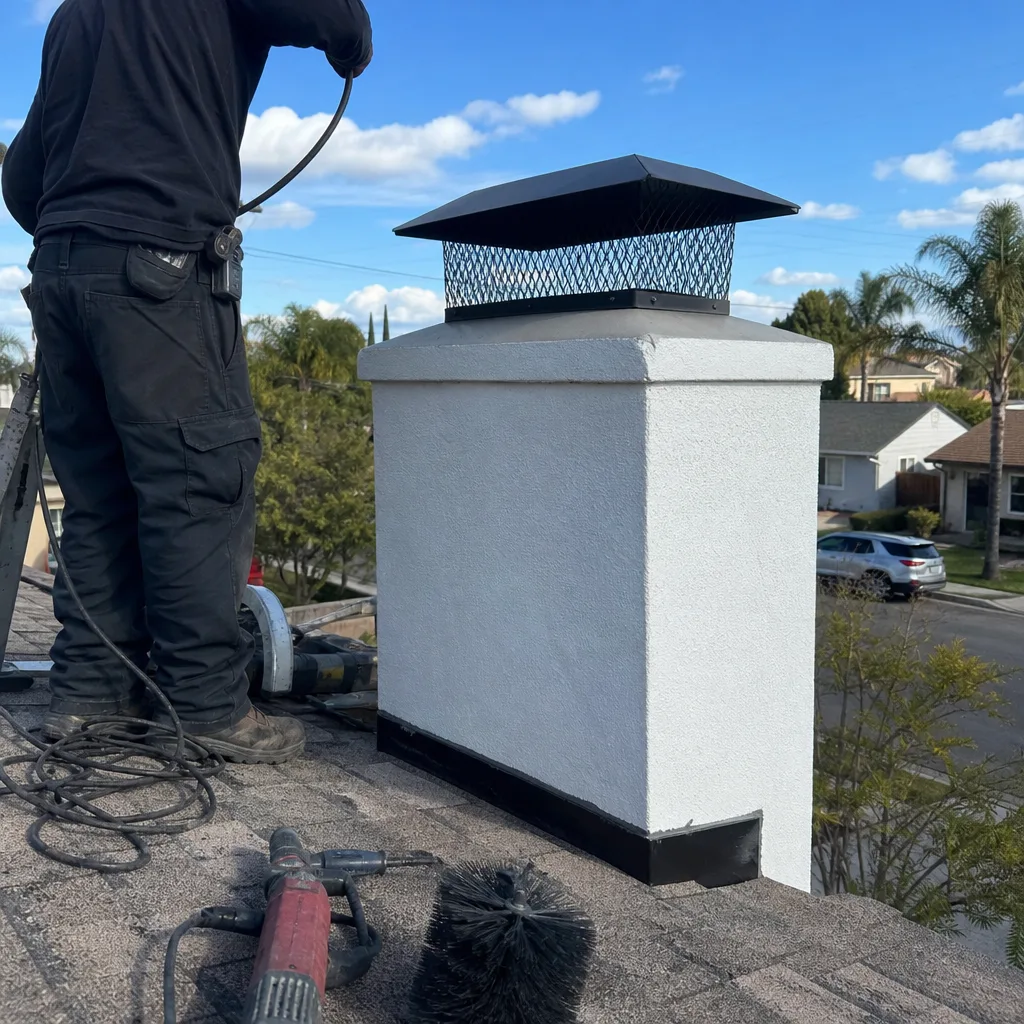 After
After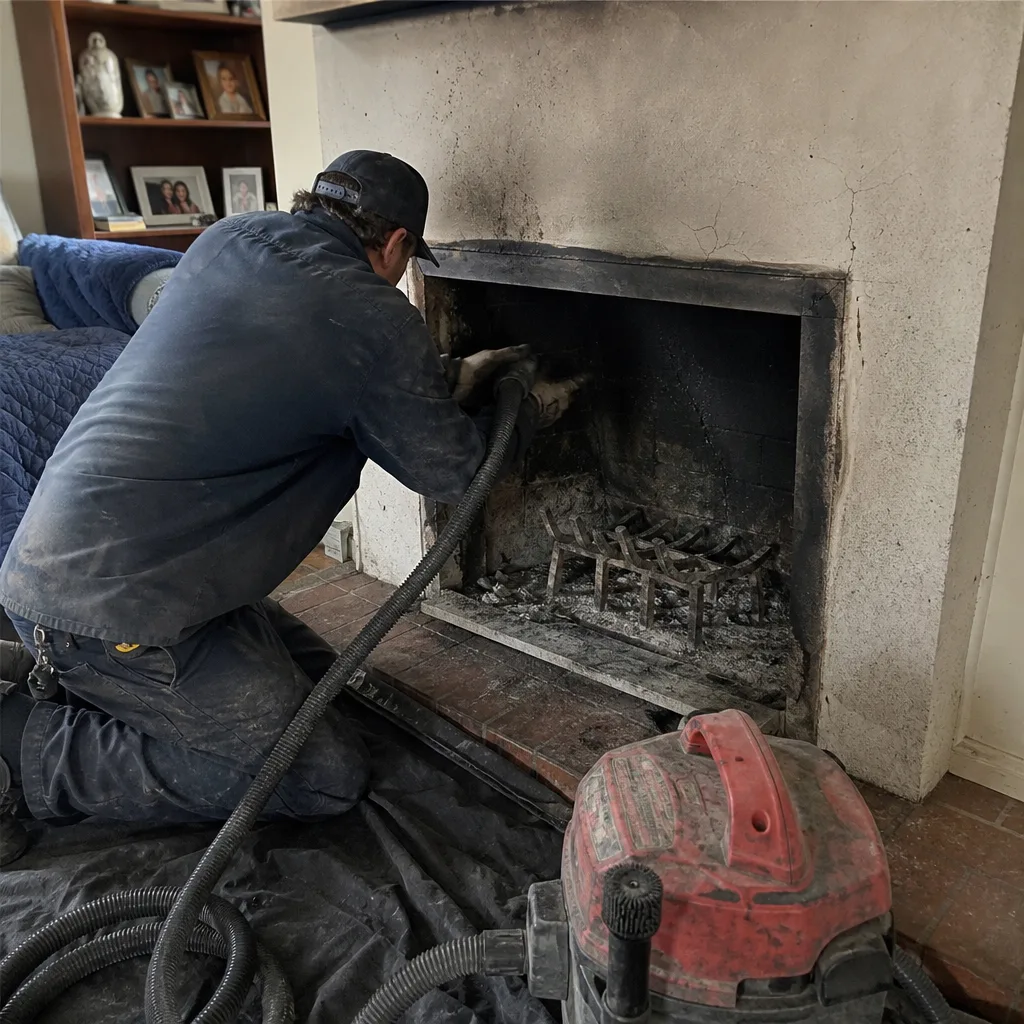 Before
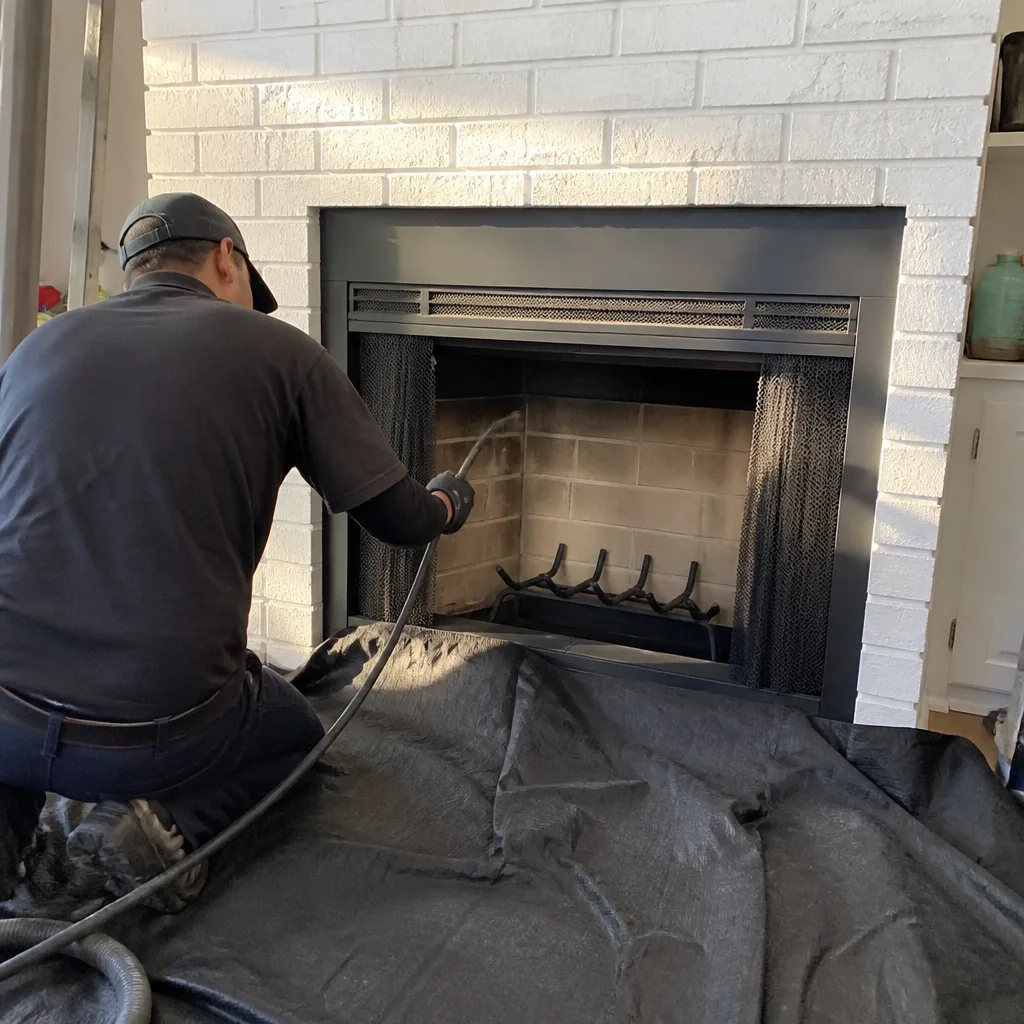 After
AfterHeatShield Flue Liner Replacement: The Long Beach Owner’s Guide
HeatShield flue liner replacement in Long Beach typically runs $1,800-$3,400 installed, depending on flue height, diameter, and whether the surrounding masonry needs repair. We stock HeatShield-compatible liner sections and connection kits on every truck, and most replacements are completed in a single day once the NFPA 211 Level 2 camera inspection confirms the scope. Homeowners usually discover the problem during a routine sweep or after a chimney inspection for a home sale, when the camera reveals cracked, spalled, or separated liner sections that no longer contain combustion gases safely.
Which HeatShield Models This Applies To
HeatShield manufactures two distinct liner systems, and identifying which one is in your flue determines the replacement approach. The HeatShield Cerfractory Flue Sealant system is a resurfacing product applied to existing clay liners, not a standalone liner itself. If that coating has failed, we remove the compromised layer and evaluate whether the underlying clay tile can accept a new application or needs full liner replacement. The HeatShield UL Listed Stainless Steel Liner system is a corrugated or smooth-wall insert available in 316Ti and AL29-4C alloys for gas, oil, and wood applications.
To identify your system, check for a stamped metal tag at the flue top or thimble connection. The tag lists the alloy grade, diameter, and UL listing number. Common diameters in Long Beach homes are 6″, 7″, and 8″ for wood-burning fireplaces, with 4″ and 5″ more typical for gas inserts. The critical compatibility gotcha: HeatShield’s smooth-wall liners use proprietary compression fittings at the collar and tee that do not interchange with standard DuraFlex or Gelco components. Mixing collar systems creates a gap at the connection point that fails UL testing. We source OEM HeatShield fittings through Haven’s buying network, or we can transition to a DuraFlex or Gelco full liner system if the homeowner prefers a non-proprietary repair path.
Corrine Halstead notes that she’s replaced HeatShield liners in Long Beach homes where the original installer used a generic collar to save $40, and the homeowner found out three years later when salt-air corrosion accelerated at the leak point. The camera doesn’t lie, and neither does the price sheet.
Signs Your HeatShield Flue Liner Replacement Is Failing
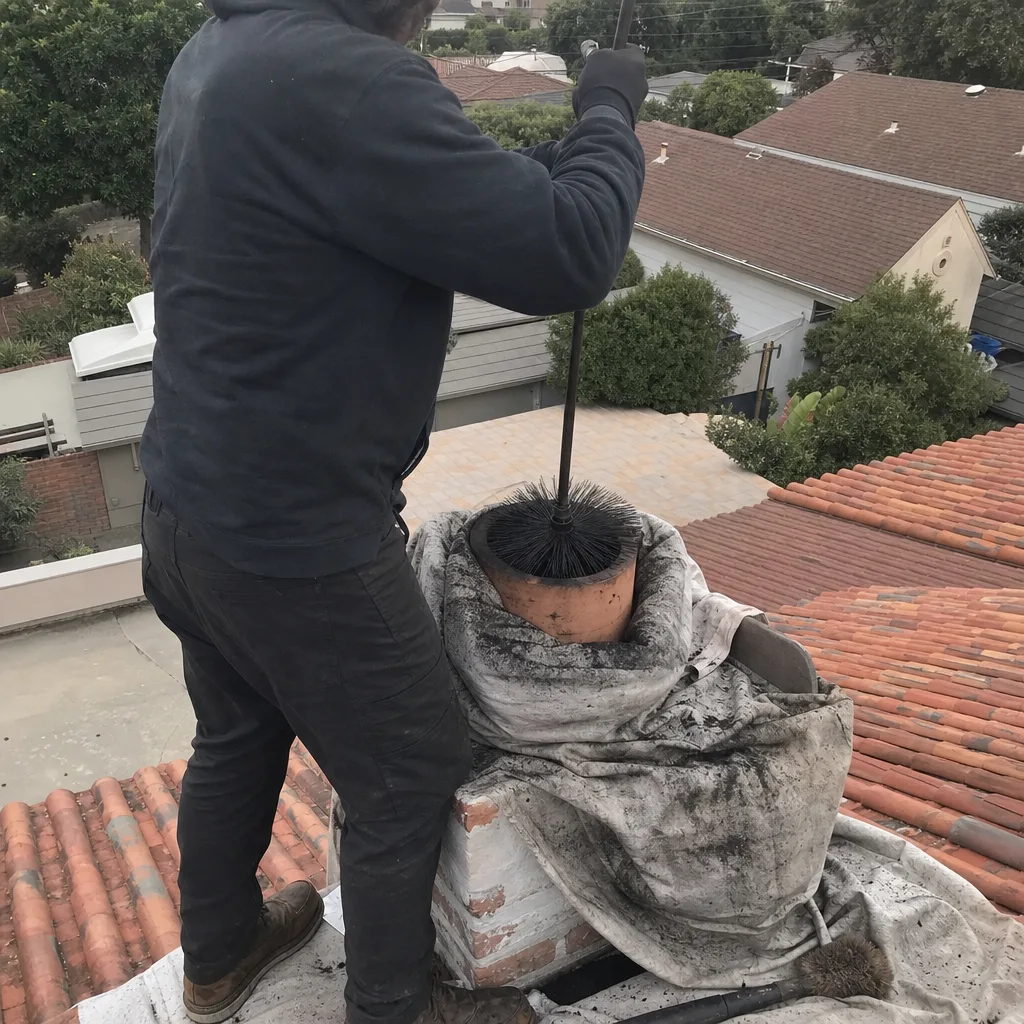
- White efflorescence or rust streaks on the exterior brick. These stains indicate moisture and combustion gases escaping through liner breaches, condensing on the cooler outer shell. In Long Beach’s marine climate, salt-laden air accelerates the corrosion once the liner’s protective barrier is compromised.
- Flaking or spalling pieces in the firebox or during cleaning. If the sweep pulls ceramic shards or stainless fragments from the flue base, the liner surface has degraded structurally. Cerfractory coatings delaminate in sheets; steel liners pit and perforate at the weld seams first.
- Smoke odor in upstairs rooms when the fireplace is not in use. A separated liner joint or corroded tee allows negative pressure in the house to pull chimney air through gaps. This is often misdiagnosed as a damper problem until the camera shows the real breach location.
- Visible gaps or daylight through the liner wall during inspection. Our camera scan documents these directly. Any opening larger than 1/8″ in a combustible wall assembly violates NFPA 211 and requires repair or replacement before the fireplace can be used safely.
- Carbon monoxide detector alerts near the fireplace or in bedrooms above. This is the most serious symptom. A perforated liner can vent CO into wall cavities or floor joist bays. We treat this as an emergency call and red-tag the appliance until replacement is complete.
 Before
 After
AfterReplacement Cost & What’s Included
HeatShield flue liner replacement pricing in Long Beach breaks down as follows:
| Scope | Price Range |
|---|---|
| Standard 6″-8″ stainless liner, single-story flue (up to 20 ft) | $1,800-$2,400 |
| Two-story or steep-pitch flue (20-35 ft) | $2,400-$3,000 |
| Cerfractory removal + full stainless replacement | $2,600-$3,400 |
| Smoke chamber parging (if heat-damaged) | $400-$700 additional |
| NFPA 211 Level 2 inspection with camera scan | Included |
What drives the range: flue height, diameter, number of appliance connections (fireplace + furnace tee requires more fittings), and whether the existing liner can be pulled or must be demolished in place. Every quote includes the written scope, written warranty, and documented photo record under Haven Standard Clause 4. We do not start work until you have the price in writing and have seen the camera footage that justifies the repair.
DIY or Call Us?
There’s a safe middle ground here, and a hard stop. An owner can verify the liner tag at the flue top with a flashlight, check for visible debris in the firebox, and confirm whether the damper opens fully. These checks cost nothing and help us understand the situation before we arrive.
What you should not attempt: pulling a liner insert, cutting a tee connection, or working on the roof near a steep pitch. Stainless liners store spring tension during coiling and can whip unpredictably when released. The tee connection at the thimble requires a torque-calibrated crimp tool to maintain the UL listing. And in Long Beach, many flues run through zero-lot-line walls where a dropped tool or damaged liner section exposes your neighbor’s property to combustion gases. We’re licensed, insured, and our technicians carry the specific HeatShield compression dies on the truck. Call (424) 401-5585 and we’ll walk through what the camera found before you decide.
FAQs
A properly installed stainless HeatShield liner typically lasts 15-25 years, but Long Beach’s salt air and morning marine layer can cut that to 12-18 years if the flue top lacks a proper rain cap and crown overhang. We inspect for corrosion patterns specific to coastal CA during every camera scan. Call (424) 401-5585 for an exact condition assessment - estimates are free.
Cerfractory coatings can be reapplied if the underlying clay tile is intact and the damage covers less than 30% of the flue surface. Stainless liners with isolated pitting at the collar can sometimes be section-replaced, but perforated seam welds or multiple crack points require full replacement to maintain the UL listing. We show you the camera footage and explain which path applies before any work is priced. Call (424) 401-5585 for a free second opinion on any written estimate.
Most single-story HeatShield liner replacements are completed in 4-6 hours from truck arrival. Two-story flues or jobs requiring Cerfractory removal add 2-3 hours. We schedule a specific arrival window, text when the technician is en route, and leave you with the photo record and written warranty before we depart. Call (424) 401-5585 to book.
We stock Heat-compatible liner sections, collars, and tees on every service truck, along with DuraFlex and Gelco alternatives if you prefer to switch systems. For uncommon diameters or AL29-4C high-acid alloy liners, Haven’s buying network delivers within 48 hours. We do not ask for a deposit before parts arrive - the written price is the written price. Call (424) 401-5585 to confirm availability for your flue size.
Emberly Chimney Cleaners Long Beach is an independent service provider and is not affiliated with HeatShield. We source parts through Haven’s buying network to keep customer prices honest.
Ready to see what your flue actually looks like? Call (424) 401-5585 for a free estimate. A live person answers 24 hours a day, and we’ll have a camera down your flue before any work is discussed.
Written by Corrine Halstead, Owner, Emberly Chimney Cleaners Long Beach at Emberly Chimney Cleaners Long Beach, serving Long Beach and nearby areas.