
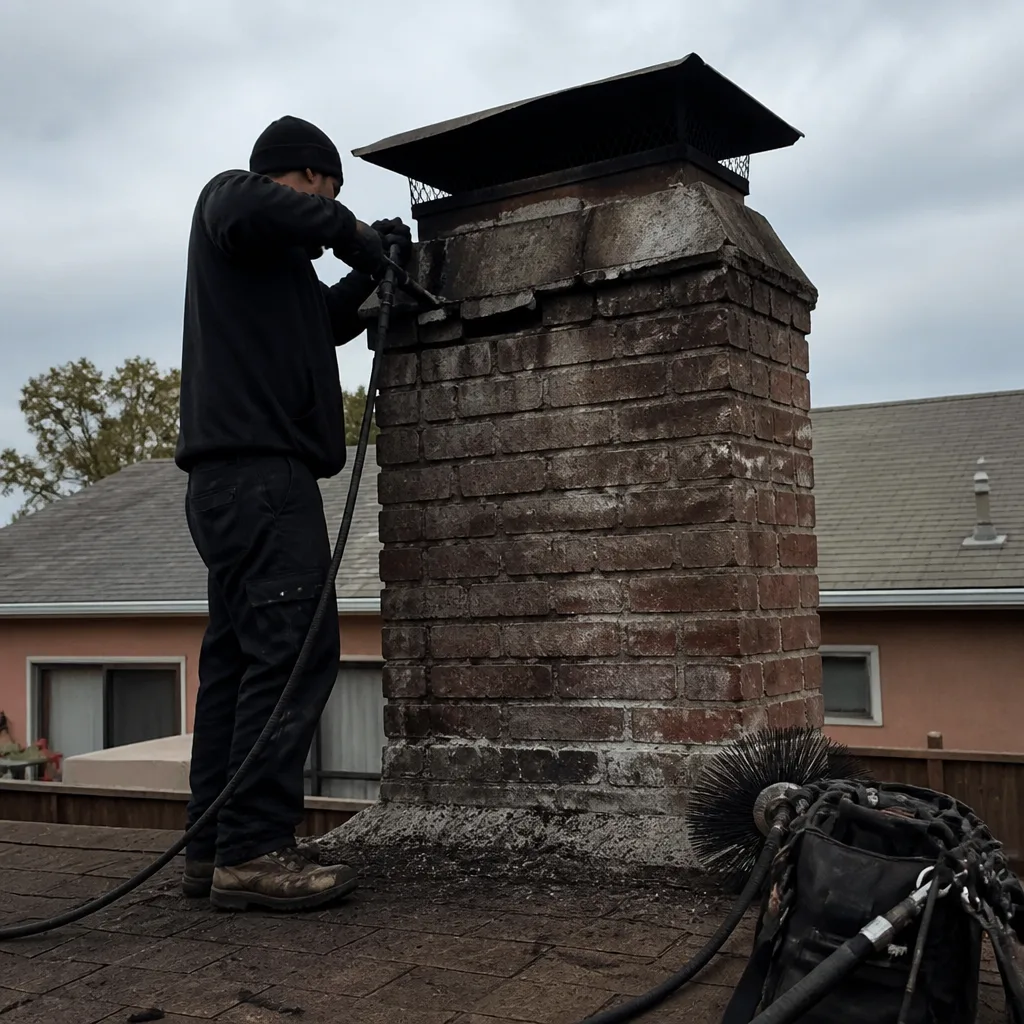
Level 1 sweep and inspection to the NFPA 211 annual standard - flue, crown, cap, and flashing checked and photographed
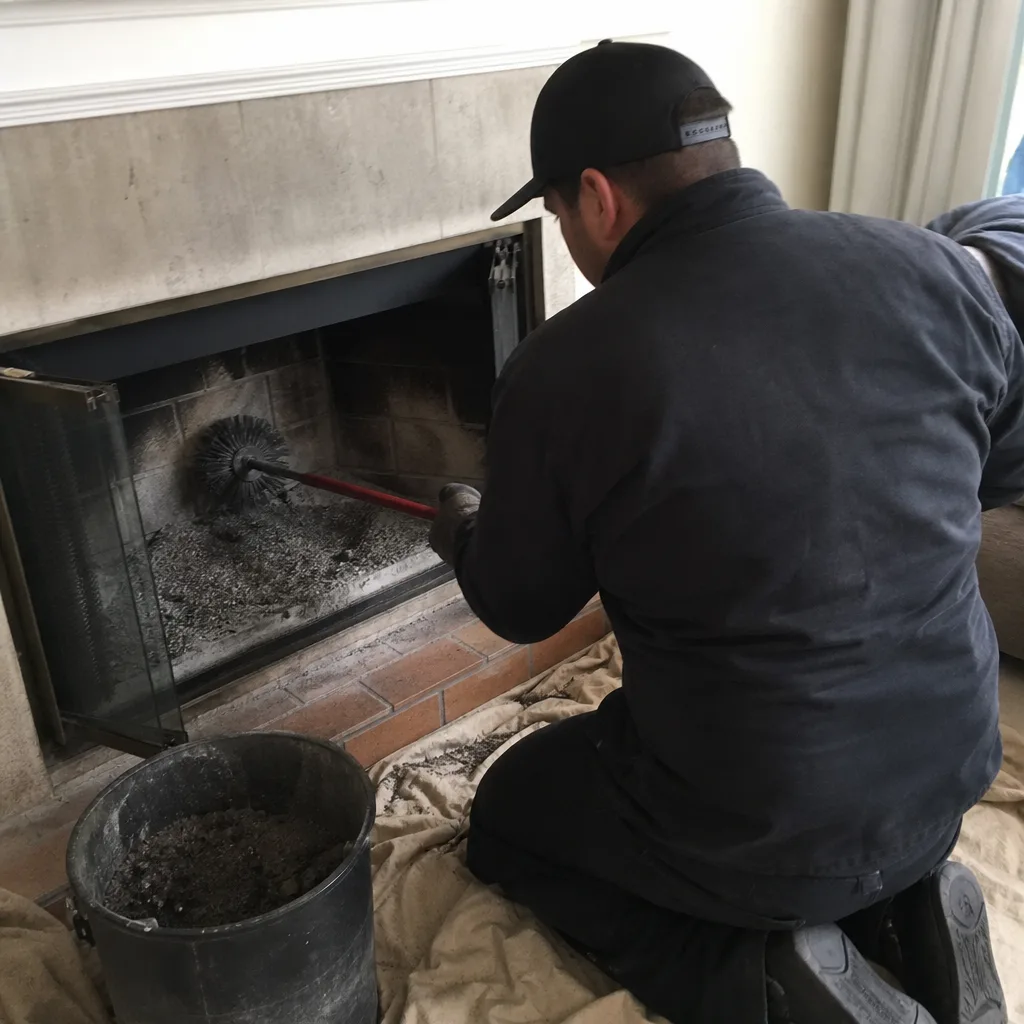
Chimney sweep logs do not sweep chimneys. They loosen some creosote - which then falls where a brush and vacuum still have to collect it.
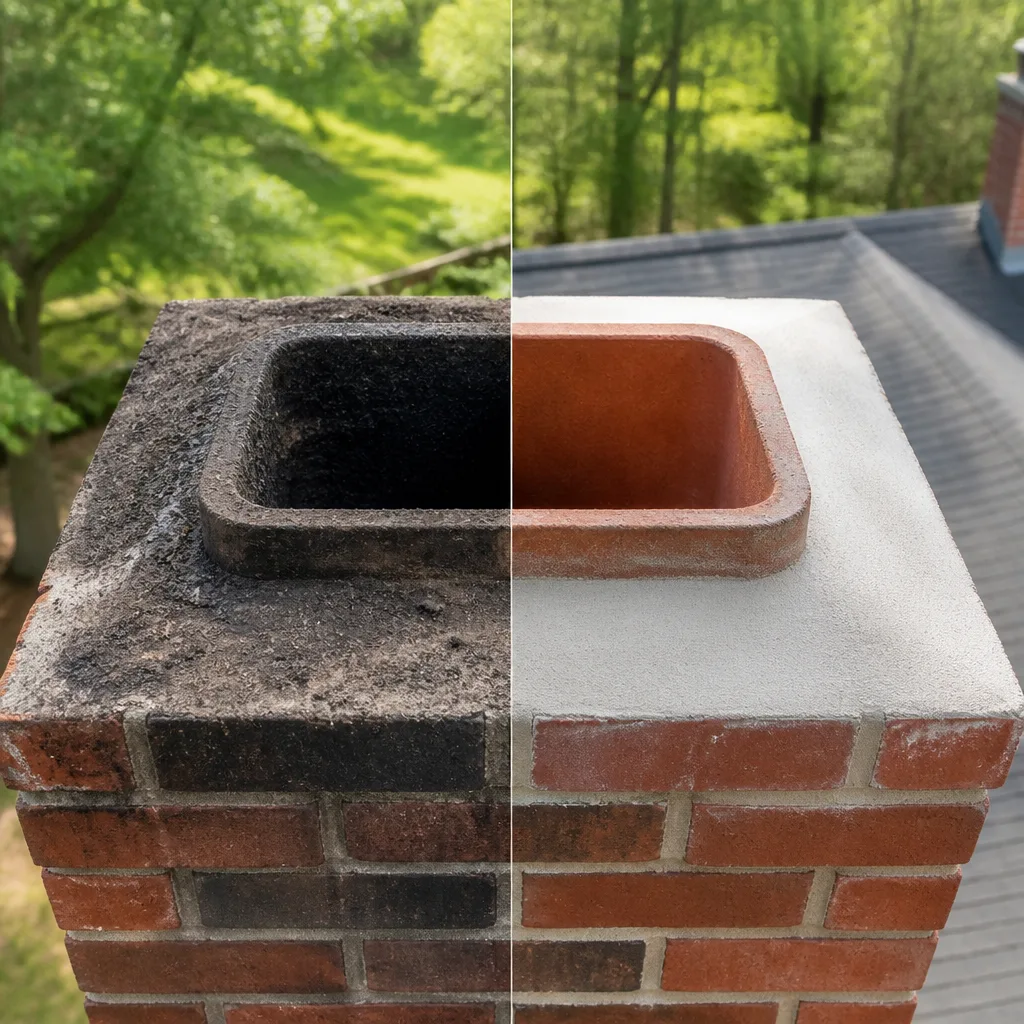
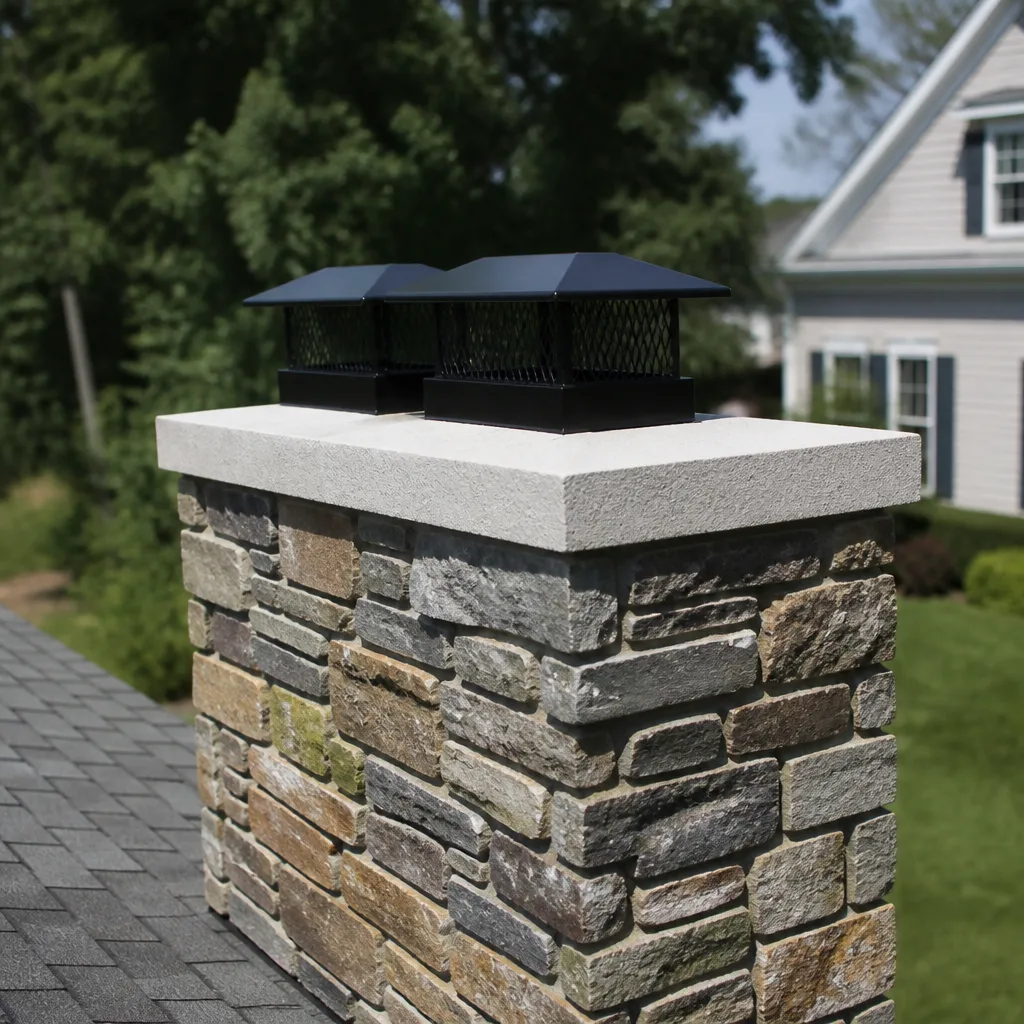
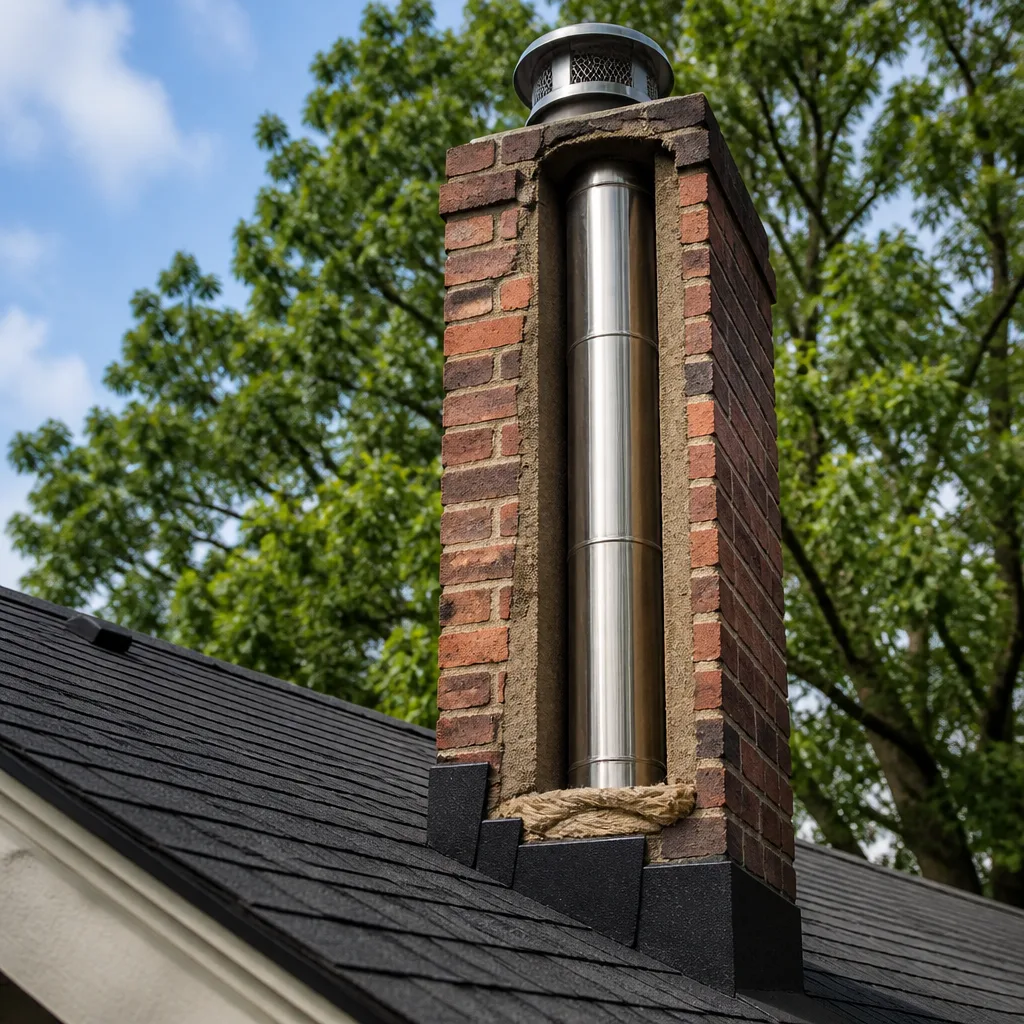
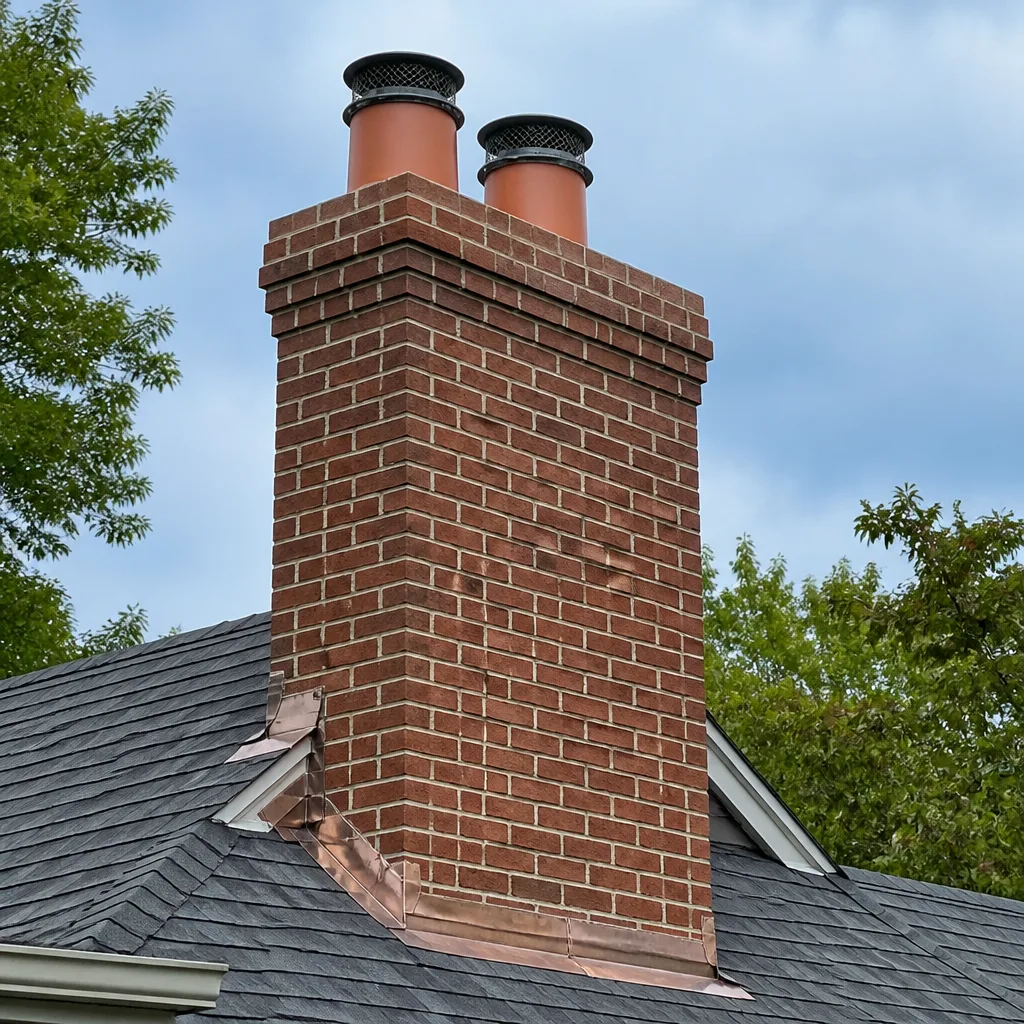
 Before
 After
After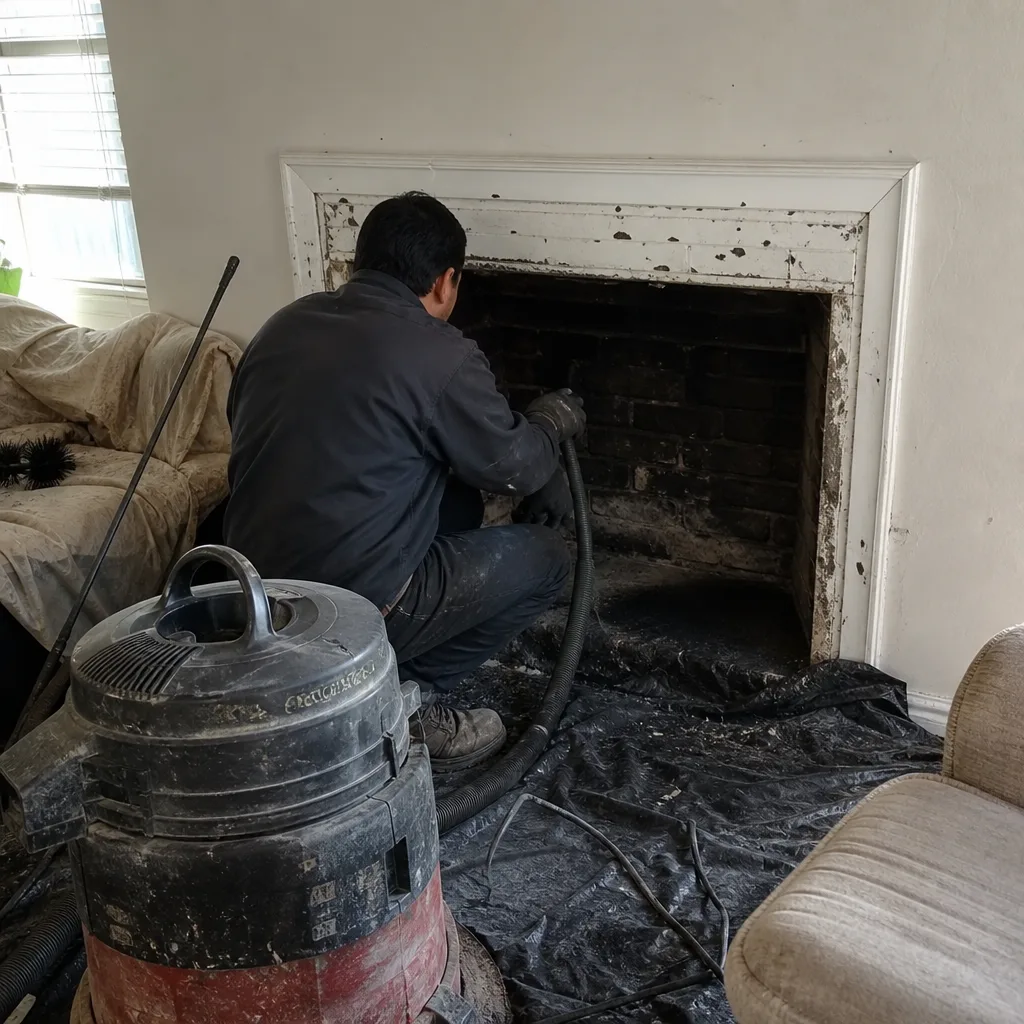 Before
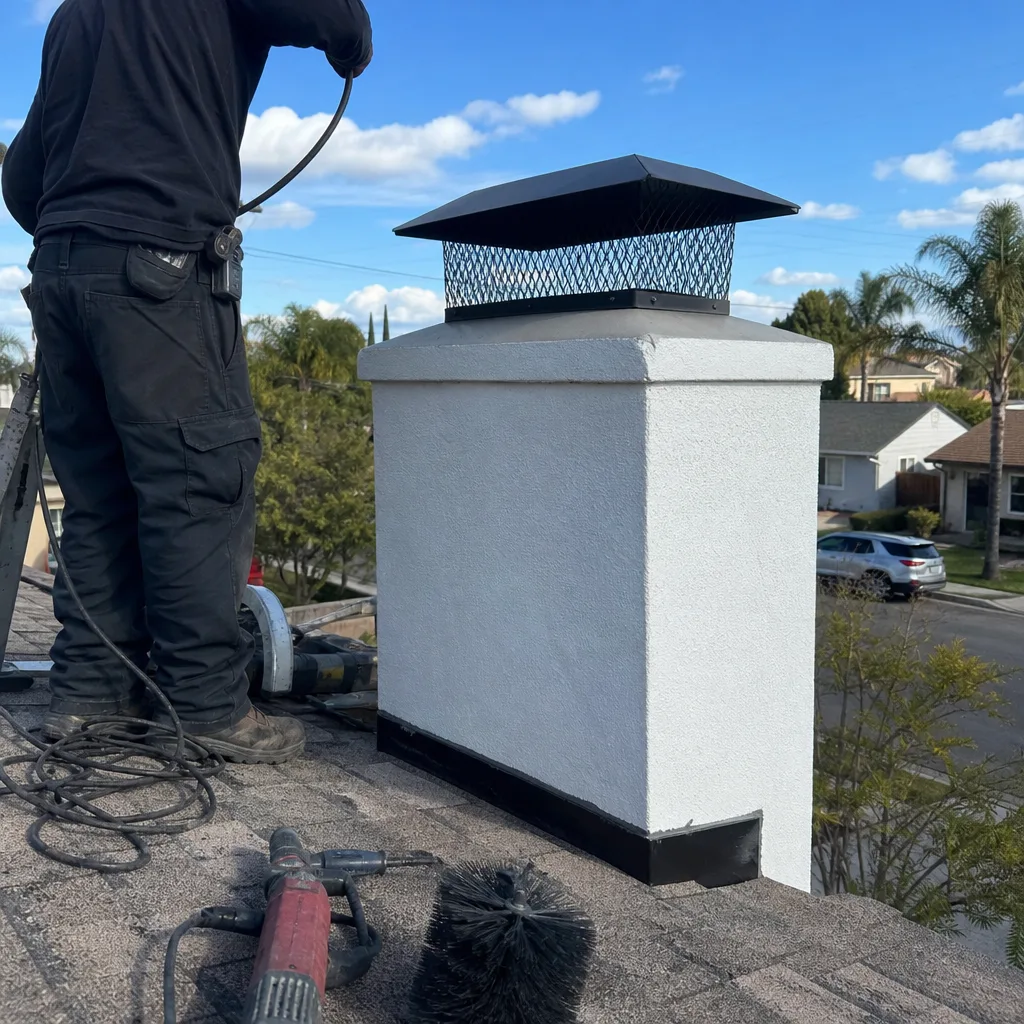 After
After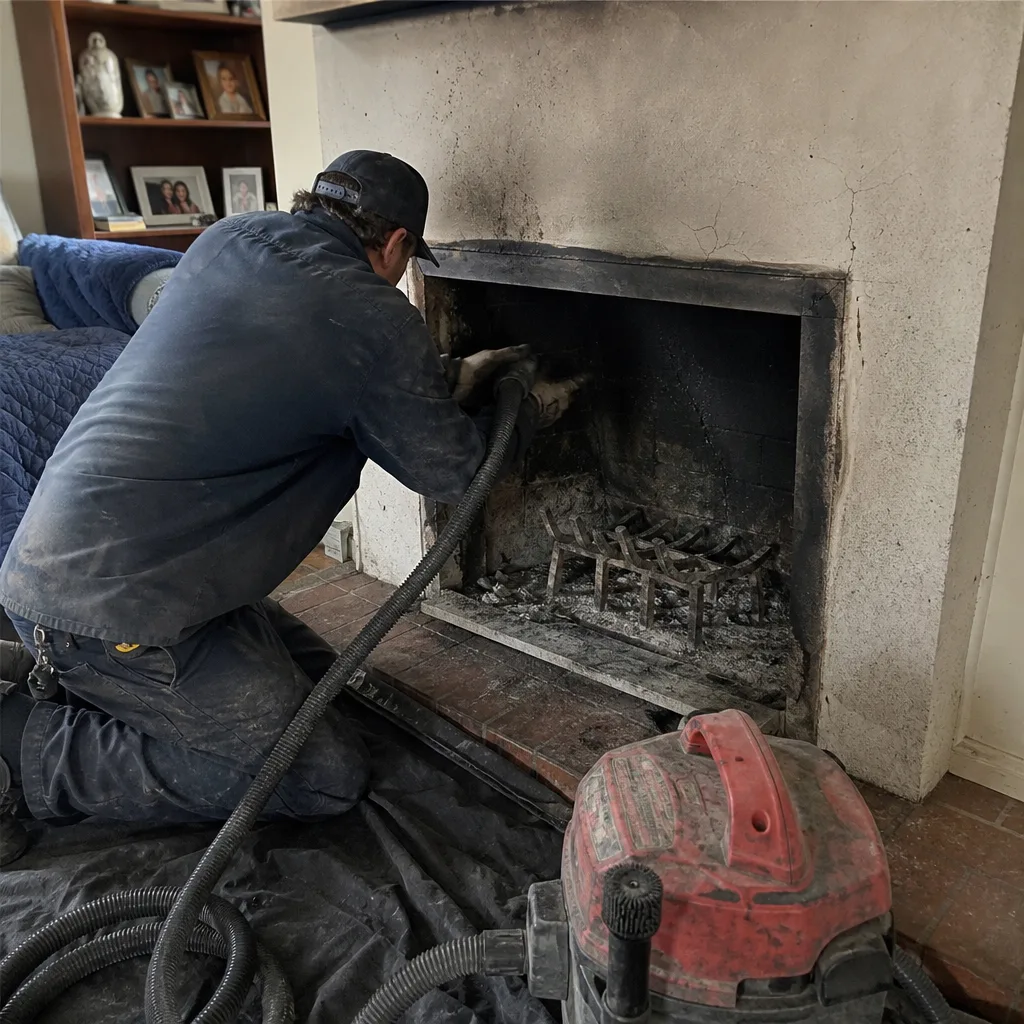 Before
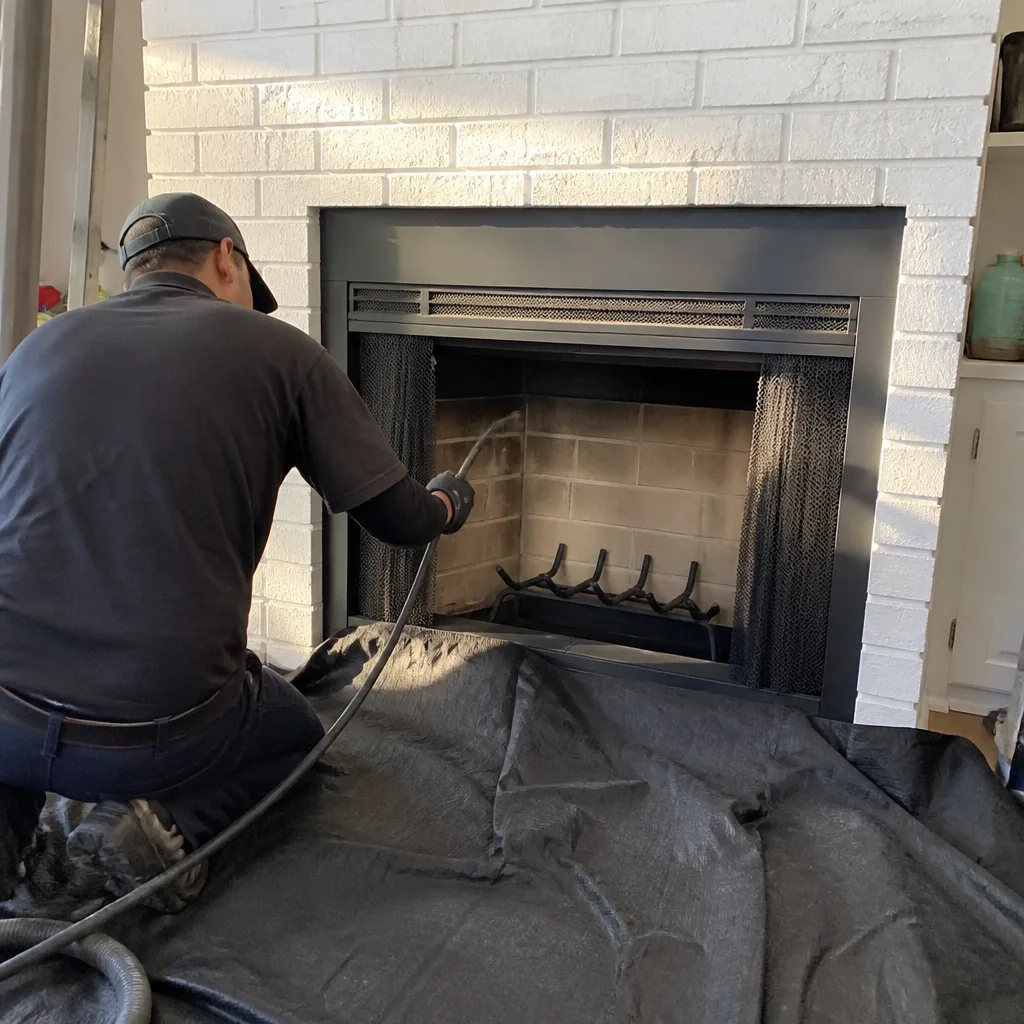 After
AfterGelco Flue Liner Replacement: The Long Beach Owner’s Guide
A Gelco flue liner replacement in Long Beach typically runs $2,800-$5,400 installed, depending on liner diameter, chimney height, and whether the existing flue needs full extraction or can be relined in place. We stock Gelco-compatible stainless steel liners and termination kits for most residential models, and we can usually inspect, quote, and schedule within 48 hours. Most Long Beach homeowners discover the problem during a routine sweep when our camera finds gaps, corrosion scaling, or separation at the flue collar - or they notice water staining on the firebox wall after rain, which in a coastal climate means salt-laden moisture has already gotten past the liner.
Which Gelco Models This Applies To
Gelco flue liners fall into several product families, and matching the right replacement means reading what’s left of the original label. The Gelco UL-1777 listed stainless steel liners - most common in Southern California retrofits from the 1990s through the mid-2010s - carry a part stamp near the top termination, usually visible from the roof with a flashlight. Look for series prefixes: GSS (standard round), GSS-O (ovalized for masonry flues with limited clearance), and the older GSC corrugated flex lines that Gelco phased out around 2012. The critical spec is diameter; Gelco sizes run 3″ to 8″ in half-inch increments, but the 5.5″ and 6″ diameters dominate Long Beach installations, particularly in the smaller flues found in 1920s bungalows near Belmont Shore and the tighter chimney structures around the traffic circle.
We source replacement liner through Haven’s buying network from both Gelco OEM stock and Olympia Chimney’s compatible 316Ti stainless, which meets the same UL-1777 listing at a lower parts cost. The decision between OEM and aftermarket matters most when your existing termination cap, storm collar, or flex connector is still serviceable - mixing series sometimes creates a gap at the collar seal. Corrine Halstead checks this on every Gelco replacement we quote: she measures the existing flue length, photographs the collar interface, and confirms the new liner will seat cleanly before we write the price. The camera doesn’t lie, and neither does the price sheet.
Signs Your Gelco Flue Liner Replacement Is Failing
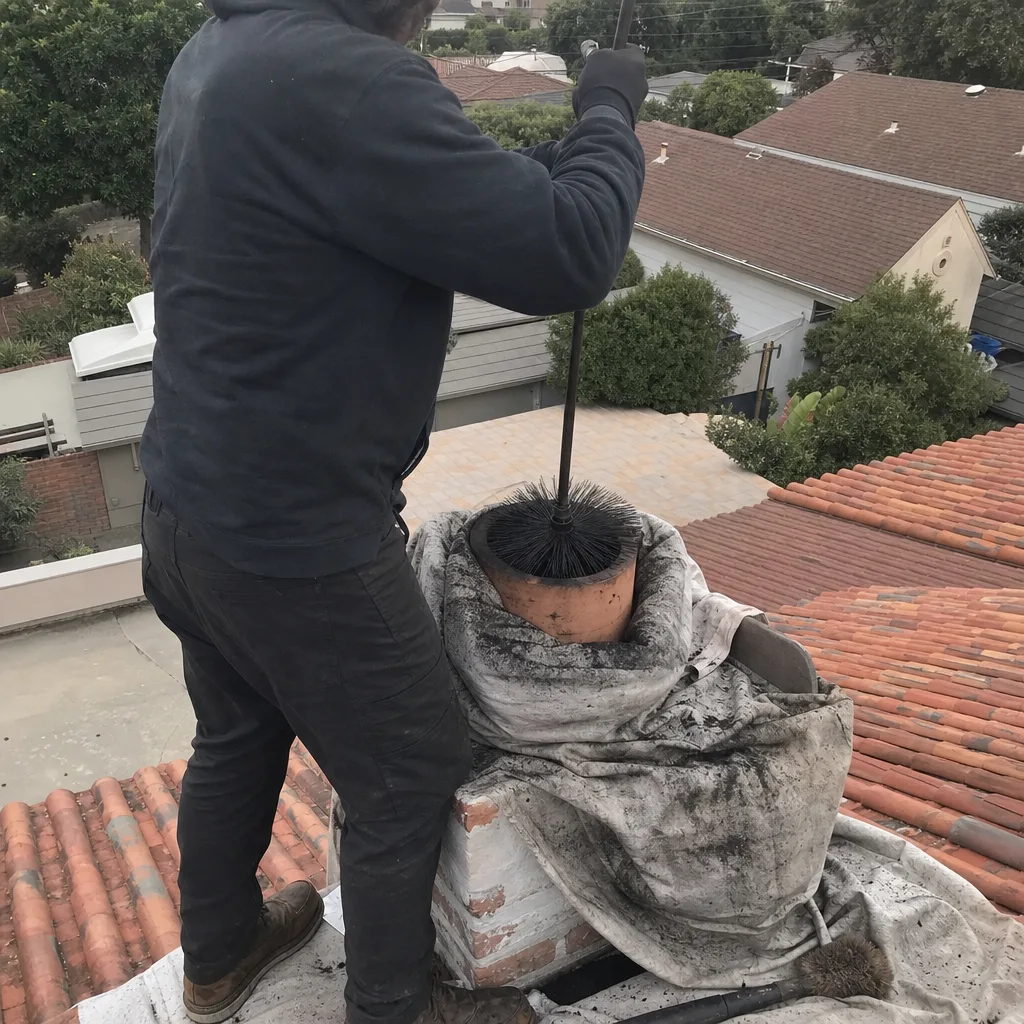
- Water stains or rust streaks inside the firebox. Salt air off the Pacific accelerates exterior corrosion on Gelco liners that have lost their termination seal. Once moisture reaches the 316 stainless, it wicks down between the liner and clay flue tile, staining the firebox wall from behind.
- Flaking metallic debris in the cleanout or hearth. This is spalled corrosion product from the liner interior, not creosote. It means the stainless wall has thinned past its service limit, usually from years of acidic condensation in a low-efficiency fireplace or unlined gas appliance venting.
- Smoke odor when the fireplace is not in use. A separated or perforated Gelco liner allows downdraft air to carry smoke chamber odors into the living space. In Long Beach’s spring onshore flow, this often shows up as a persistent ash smell on foggy mornings.
- Visible gaps or sag in the liner from the top. Gelco flex liners rely on tension at the top plate; if the draw band loosens or the storm collar leaks, the liner can sag and create a low point where condensation pools. That pool accelerates failure at the belly of the sag.
- Carbon monoxide detector alerts near the fireplace. A compromised liner can leak flue gases into the smoke chamber and framing cavity. This is not a troubleshooting item for homeowners; if your detector sounds, exit and call the fire department, then call us for inspection.
 Before
 After
AfterReplacement Cost & What’s Included
| Scope | Price Range (Long Beach) |
|---|---|
| Gelco liner replacement, straight flue, 6″ diameter, single story | $2,800-$3,600 |
| Gelco liner replacement with offset or chimney pot adaptation | $3,400-$4,500 |
| Full extraction of failed liner + new Gelco or Olympia 316Ti + top termination | $4,200-$5,400 |
| NFPA 211 Level 2 camera inspection and photo documentation | Included |
| Written scope, written price, written warranty before work begins | Included (Haven Standard Clause 1) |
The range depends on three factors we verify during inspection: whether the existing liner can be pulled or must be demolished in place, the condition of the clay flue tile (spalling tile must be addressed or the new liner loses its support), and whether the chimney height exceeds 25 feet, which requires additional liner sections and a mid-support in some Gelco installations. Every quote we deliver in Long Beach includes the parts list, labor hours, and our 365-Day Done Right Promise in writing before any work starts. Materials come through Haven’s buying network specifically to keep customer prices honest.
DIY or Call Us?
There’s a safe boundary here, and it’s lower than most homeowners expect. You can verify your Gelco model from the roof with a flashlight and binoculars, check the storm collar for obvious gaps, and listen for debris rattling in the flue when you tap the cleanout door. What you cannot safely do is extract a failed liner or install a replacement. Gelco liners are tensioned systems; the draw band at the top plate carries the full weight of the stainless column. Releasing that tension without proper support risks a 20-foot section of metal dropping through the flue, and working on a roof near a chimney stack in Long Beach’s marine layer creates genuine fall exposure.
More critically, a liner replacement without camera verification of the finished seal leaves you guessing whether smoke will find a path into wall cavities. We include NFPA 211 Level 2 camera inspection and a documented photo record on every Gelco replacement - Clause 4 of the Haven Standard, running continuously since 2009 - because the only way to confirm a liner is seated and sealed is to look. Call (424) 401-5585 and we’ll schedule the inspection, show you what we found, and deliver a written price before you decide.
FAQs
In Long Beach’s coastal environment, a properly installed Gelco 316 stainless liner typically lasts 15-22 years, though we’ve seen premature failure at 8-10 years when salt air reaches a compromised termination seal. Annual inspection catches seal deterioration before it attacks the metal. Call (424) 401-5585 to schedule - estimates are free.
Localized damage at the top collar can sometimes be addressed with a Gelco-compatible repair sleeve, but perforations, sagging, or generalized wall thinning require full replacement - patching a failing liner violates NFPA 211 and voids homeowner insurance coverage for chimney-related fire loss. We document the condition with camera footage and explain whether repair is viable before quoting either option. Call (424) 401-5585 for an exact assessment.
Most residential Gelco replacements in Long Beach are completed in one day, with the crew arriving between 8 and 9 a.m. and finishing by late afternoon. Two-story homes, steep roofs, or full liner extraction add a second day. We text when your technician is en route, and every job closes with a photo record and written warranty.
We stock Gelco-compatible 316Ti stainless liners in 5″, 5.5″, 6″, and 7″ diameters, along with termination caps, storm collars, and flex connectors, through our Haven Standard materials network. Odd sizes or custom lengths typically arrive within 3-5 business days. We confirm parts availability during the initial inspection so your quote reflects real timing.
Written by Corrine Halstead, Owner, Emberly Chimney Cleaners Long Beach at Emberly Chimney Cleaners Long Beach, serving Long Beach and nearby areas.